
Introduction
*This guide is for interior designers and architects seeking high-quality custom furniture from China without compromising design integrity or client satisfaction.*
The global furniture market is undergoing significant transformation. More design professionals are discovering that **sourcing custom furniture from China** provides advantages that traditional Western suppliers struggle to match—particularly for bespoke projects requiring unique specifications, premium materials, or complex craftsmanship.
Recent market data shows the custom furniture sector growing at 8.2% annually through 2030, with Asia-Pacific manufacturers capturing an increasing share of high-end residential projects worldwide. But here’s the real question: **How do you find furniture manufacturers who can deliver quality standards while respecting your design vision?**
This guide draws from over a decade of international manufacturing experience. As part of Hongye Furniture—one of China’s leading commercial furniture exporters now serving residential projects through Fenmi Casa—we’ll walk you through everything from factory selection to quality control, focusing on practical information you can use.
________________________________________
Why Designers Choose China for Custom Furniture
Manufacturing Flexibility for Bespoke Projects
Chinese factories, particularly those in the Pearl River Delta around Guangzhou and Foshan, have invested heavily in **small-batch custom production capabilities**. Unlike mass-production facilities, these workshops handle runs of 5-50 pieces with prototype-level attention to detail.
| Production Scale | Western Factory Lead Time | Chinese Factory Lead Time | Cost Difference |
| 5-10 pieces | 8-12 weeks | 4-6 weeks | 35-45% savings |
| 20-50 pieces | 10-16 weeks | 6-8 weeks | 30-40% savings |
| 100+ pieces | 12-20 weeks | 8-12 weeks | 25-35% savings |
Cost Efficiency Without Quality Compromise
When properly managed, sourcing from China can reduce furniture costs by 30-50% compared to equivalent European or North American manufacturers—without the quality trade-offs that term might suggest. The key differentiator is **management rigor, not geography**.
________________________________________
How to Find Reliable Furniture Manufacturers in China
Step 1: Verify Factory Credentials
Before engaging any supplier, confirm these fundamentals:
- **Business License**: Valid export/import registration with international trade experience
- **Production Capacity**: Verify they can actually manufacture your specific requirements
- **Export Experience**: Confirm prior shipments to your country or region
- **Quality Certifications**: ISO 9001, FSC (for wood products), or relevant industry standards
Step 2: Request and Evaluate Samples
Never place a production order without first evaluating physical samples. Budget $200-500 for sample costs—this investment prevents costly mistakes.
**Sample Evaluation Checklist:**
| Evaluation Item | Pass Standard | Notes |
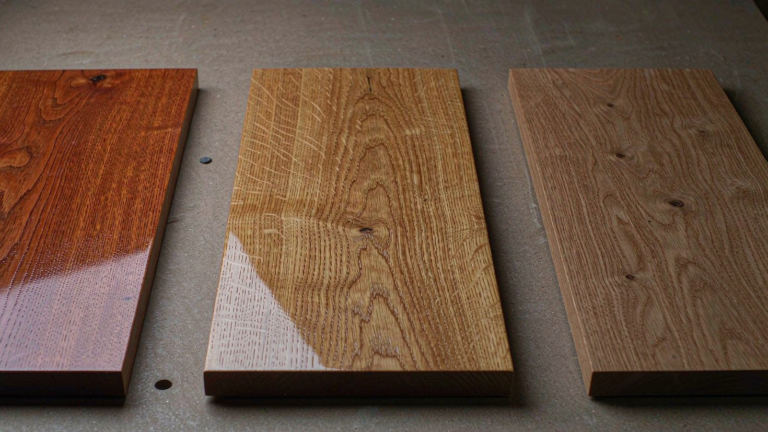
| Material quality | Matches specifications exactly | Check grain, color, texture |
| Joinery construction | Solid and precise | Test drawer operation, door alignment |
| Surface finish | Consistent, defect-free | Check for runs, orange peel, uneven coverage |
| Hardware function | Smooth operation | Test hinges, drawer slides, soft-close mechanisms |
| Dimensional accuracy | Within ±2mm tolerance | Measure against technical drawings |
Step 3: Conduct Video Factory Inspections
Reputable manufacturers welcome video inspections. During these calls, observe:
- Worker conditions and organization (indicates production consistency)
- Raw material storage and handling
- Quality control checkpoints
- Packaging and warehouse areas
________________________________________
Quality Control: Three-Tier Approach
Quality control determines the difference between successful sourcing and expensive disappointments. We recommend this structured approach:
Tier 1: Pre-Production Approval
Confirm all specifications in writing before manufacturing begins.
| Item | Specification | Supplier Confirmed | Designer Approved |
| Wood species | e.g., White Oak | ☐ | ☐ |
| Finish type | e.g., Matte Lacquer | ☐ | ☐ |
| Hardware brand | e.g., Blum Hinges | ☐ | ☐ |
| Dimensions | See Technical Drawing | ☐ | ☐ |

Tier 2: During-Production Inspection (DPI)
For projects exceeding $10,000, hire third-party inspection services (QIMA, Bureau Veritas, SGS) to conduct DPI:
- Verify raw material quality upon arrival
- Monitor production progress
- Document any deviations from specifications
- Recommend corrections before completion
**Typical cost**: 0.5-1% of order value

Tier 3: Pre-Shipment Inspection (PSI)
Before goods leave the factory:
- 100% inspection of finished pieces
- Random testing of structural integrity
- Photo documentation of each item
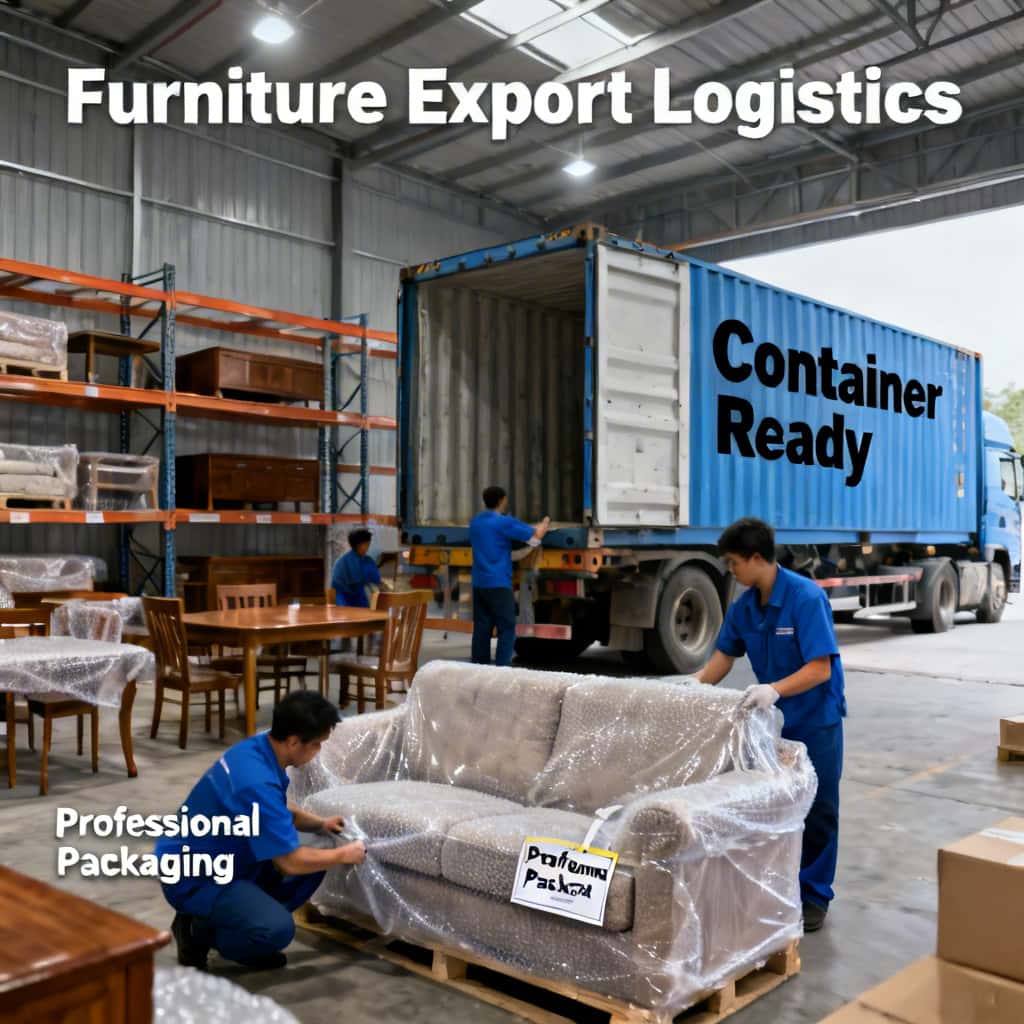
- Verification of packaging and labeling compliance
________________________________________
Communication Best Practices
Setting Clear Expectations
Chinese manufacturers respond well to specificity. Vague instructions lead to disappointing results.
**Include in every RFQ:**
- **Technical Drawings**: CAD files with dimensions, joinery details, cross-sections
- **Material Specifications**: Species, grade, finish type, sheen level
- **Reference Images**: 5-10 photos showing desired aesthetics
- **Acceptance Criteria**: Clear definition of acceptable quality
- **Sample Requirements**: Which pieces require pre-production samples
Project Timeline Overview
| Phase | Typical Duration | Notes |
| Initial inquiry to quote | 2-3 business days | Response time varies by supplier |
| Sample production | 2-3 weeks | Depends on complexity |
| Mass production | 4-8 weeks | Depends on order volume |
| Shipping (sea freight) | 4-6 weeks | Varies by destination |
| Customs clearance | 1-2 weeks | Depends on destination country |
| **Total estimated timeline** | **12-20 weeks** | Complex projects may require more |
**Important**: Add 2-3 weeks buffer for overseas projects. Delays happen.
________________________________________
Understanding Total Costs
When comparing quotes, consider the **total cost of ownership**:
| Cost Component | Details | Typical Range |
| Unit price | FOB or EXW pricing | Base calculation |
| Sample costs | Per sample item | $200-500 each |
| Quality inspection | Per inspection visit | $300-800 |
| Sea freight | Per kilogram | $0.50-2.00/kg |
| Customs duties | By country | 0-15% of declared value |
| Local delivery | Last-mile to site | Varies by location |
| Contingency | Rework allowance | 5-10% of order |
**Example**: A $5,000 unit price quote might actually cost $7,500 when all factors are included.
________________________________________
Common Pitfalls and Solutions
Language and Technical Misunderstandings
**Challenge**: Technical terms lost in translation cause wrong products.
**Solution**: Use visual references (drawings, photos, physical samples) alongside written specifications. Never rely on text descriptions alone.
Material Substitutions
**Challenge**: Factory uses cheaper materials than specified.
**Solution**: Specify exact materials by brand and include alternatives. Conduct material inspections during DPI.
Dimensional Accuracy Issues
**Challenge**: Finished pieces don’t fit designated spaces.
**Solution**: Include exact site measurements with ± tolerances. Request fitting samples for critical pieces.
Communication Gaps
**Challenge**: Updates don’t reach the right person, causing delays.
**Solution**: Designate single points of contact on each side. Use instant messaging for real-time updates, email for documentation.
________________________________________
Is It Safe to Source Furniture from China?
This question comes up frequently. The honest answer: **Yes, with proper due diligence.**
The same principles apply whether sourcing from China, Italy, or your local workshop:
- Verify credentials thoroughly
- Evaluate physical samples
- Implement quality controls
- Maintain clear communication channels
Fenmi Casa’s parent company has served international commercial clients for over a decade, shipping to hotels and projects across North America, Europe, and Southeast Asia. The same manufacturing expertise now supports residential designers through Fenmi Casa.
________________________________________
Frequently Asked Questions
How long does custom furniture from China take?
For a typical villa project, plan for **4-6 months from order confirmation to on-site delivery**. This includes 2-3 weeks for samples, 4-8 weeks for production, and 4-6 weeks for shipping. Complex projects with custom finishes or specialized hardware may require additional time.
What’s the minimum order quantity for custom furniture?
Many Chinese factories accept **single-piece custom orders** for unique items, though per-unit costs decrease significantly at quantities of 5+ pieces. For complete villa projects, expect order quantities of 20-50 pieces across multiple SKUs to optimize pricing.
Do I need to visit the factory in person?
Not necessarily. While factory visits provide valuable insight, many successful partnerships operate entirely remotely through video factory tours, third-party inspections, detailed photography, and sample evaluations.
How do I handle shipping and logistics?
For most residential projects, use a **freight forwarder** specializing in furniture shipments. They handle container consolidation, customs documentation, insurance, and local delivery coordination. Expect shipping costs of $0.50-2.00 per kg via sea freight.
What if the furniture arrives damaged?
Protect yourself by purchasing marine insurance (typically 0.3-0.5% of declared value), documenting all packaging before shipping, conducting thorough inspection upon arrival, maintaining photographic evidence, and negotiating clear claims processes in your purchase agreement.
________________________________________
Conclusion
**Sourcing custom furniture from China** is no longer a leap of faith—it’s a calculated business decision that thousands of designers make successfully every year.
The advantages are clear: manufacturing flexibility, cost efficiency, and access to skilled craftspeople who can realize complex design visions. The challenges are manageable with proper planning, clear communication, and rigorous quality control.
**Key takeaways:**
- Due diligence on suppliers prevents costly mistakes
- Physical samples are non-negotiable before production
- Quality control at every stage protects your project
- Total cost includes shipping, duties, and contingencies
- Clear communication bridges cultural and geographical distances
Ready to explore how Chinese manufacturing can support your next residential project? Our team at Fenmi Casa specializes in helping designers navigate the sourcing process—from initial specifications through final delivery.
**Next step**: Contact us to discuss your project requirements, or download our free Custom Furniture Sourcing Checklist.