
A bespoke walnut dining table for eight, crafted in a Guangdong workshop, can cost between $2,800 and $6,500 landed at a Los Angeles warehouse. The same table, specified through a European atelier, typically runs $9,000–$18,000. That 55–65% cost advantage is why architects and interior designers build furniture budgets around Chinese manufacturing — but only when they understand the pricing structure behind the quote.
This guide lays out real 2026 price ranges for the most commonly specified custom furniture categories, breaks down the cost components your manufacturer factors into every quote, and shows you how to read a proposal so you can separate fair pricing from inflated margins.
What Drives Custom Furniture Pricing: The Six Cost Pillars
Every factory quote you receive bundles six cost categories. Understanding each one lets you negotiate on substance rather than assumption.
| Cost Pillar | Share of Quote | What It Covers | Where Savings Hide |
| Raw Materials | 30–40% | Timber, foam, leather, fabric, hardware, veneer | Bulk purchasing, FSC vs non-certified timber spread |
| Labor & Craft | 20–30% | Joinery, upholstery, hand-finishing, carving | Region (Guangdong vs Fujian vs Shandong wage gaps) |
| Overhead & QC | 8–12% | Factory rent, equipment depreciation, inspection teams | Automated cutting lines reduce labor component |
| Surface Treatment | 8–15% | Lacquer, oil, powder coat, hand-rubbed stains | Italian vs domestic lacquer; number of coats |
| Packaging & Logistics | 10–18% | Crating, fumigation, ocean freight, insurance | Consolidated shipping; flat-pack where possible |
| Margin | 8–15% | Factory profit | Volume commitment unlocks better rates |
From our experience reviewing 300+ quotations for villa projects in the past three years, the single largest variable is material origin. Italian aniline leather runs $12–$18 per square foot from the tannery, while top-grade Chinese aniline sits at $6–$10. Both age beautifully. The difference? Brand perception on your spec sheet.
2026 Price Ranges by Furniture Category
The table below reflects FOB (Free on Board) pricing from mid-tier to premium Chinese workshops — the tier most villa projects source from. Prices are quoted in USD and assume standard specification with mid-range materials.
| Category | Entry Spec ($) | Mid Spec ($) | Premium Spec ($) | Typical Lead Time |
| 3-Seater Sofa (fabric) | 1,200–1,800 | 2,000–3,500 | 4,000–6,500 | 35–50 days |
| 3-Seater Sofa (full aniline leather) | 2,200–3,000 | 3,500–5,500 | 6,000–9,000 | 40–55 days |
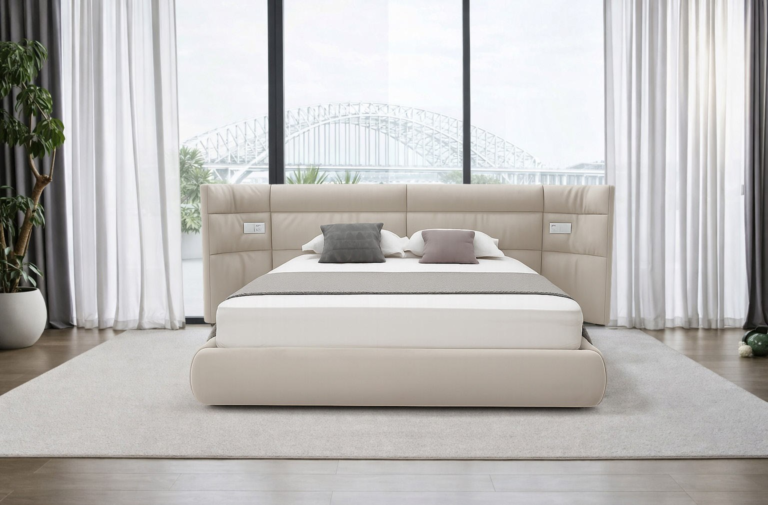
| King Bed Frame (upholstered) | 1,000–1,600 | 1,800–3,000 | 3,500–5,500 | 30–45 days |
| Dining Table (solid walnut, 8-seater) | 2,000–3,200 | 3,500–5,500 | 6,000–10,000 | 45–60 days |
| Console Table (marble top, brass legs) | 800–1,400 | 1,600–2,800 | 3,000–5,000 | 35–50 days |
| Wardrobe System (per linear meter) | 600–1,000 | 1,100–1,800 | 2,000–3,500 | 40–55 days |
| Accent Chair (leather) | 500–900 | 1,000–1,800 | 2,000–3,500 | 30–40 days |
These ranges assume FOB Guangdong or Fujian ports. Add 12–18% for CIF (Cost, Insurance, Freight) delivery to major US or Middle Eastern ports.
How Material Choices Shift Your Bottom Line
Material selection accounts for the widest swing in any custom furniture quote. A single change — swapping domestic oak for imported American white oak — can shift a dining table quote by 25–35%. The table below tracks how four common material upgrades affect pricing.
| Material Change | Category | Low Impact (%) | High Impact (%) | Quality Trade-off |
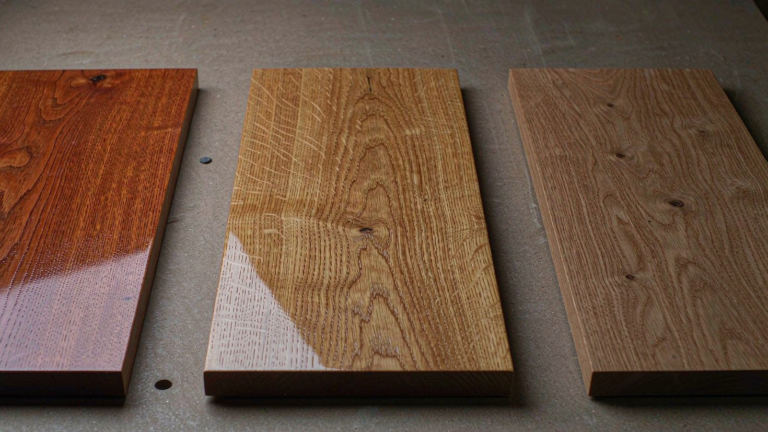
| Domestic oak → American white oak | Dining table | +20 | +35 | Tighter grain, more consistent color |
| PU leather → Top-grain leather | Sofa | +30 | +50 | Genuine hide breathes; develops patina |
| MDF core → Plywood core | Wardrobe | +10 | +18 | Plywood resists moisture; lighter weight |
| Domestic lacquer → Italian Sayerlack | Console | +8 | +15 | Better UV resistance; fewer coats needed |
| Standard foam → High-resilience foam | Upholstered bed | +12 | +20 | Retains shape 3x longer; higher density |
| Powder-coated steel → Brass hardware | Accent chair | +15 | +25 | Brass ages; powder coat is more uniform |
One practical tip: if your client’s budget is tight, prioritize material upgrades on horizontal surfaces (table tops, desk surfaces) where tactile contact is constant. Vertical surfaces (wardrobe panels, bed side rails) can stay at mid-spec without anyone noticing.
Understanding the Quotation Structure
Reputable Chinese manufacturers present quotes in a standardized format. If yours does not, request a breakdown using this template.
| Line Item | What to Check | Red Flag |
| Product Description | Dimensions, material, finish code | Vague descriptions like “wooden table” |
| Unit Price (FOB) | Per-piece pricing, not per-set | No FOB/CIF distinction |
| Sample Cost | Usually 50–100% of unit price | Factory refuses sample |
| MOQ (Minimum Order) | Often 1 piece for custom, 3–5 for standard | MOQ of 20+ for custom work |
| Payment Terms | 30% deposit, 70% before shipment | 100% upfront required |
| Lead Time | Production + QC + packaging | “7–10 days” for custom (unrealistic) |
| Revision Policy | 1–2 free revisions | No revision clause |
We have found that factories quoting 30–50% below the mid-range price in the category table above are either cutting material grades or skipping QC steps. The quote may look attractive, but reject rates climb and rework costs erase the savings.
Shipping and Landed Cost Calculator
FOB pricing is only part of the story. Your landed cost depends on order volume, destination, and consolidation strategy. Use this framework to estimate.
| Cost Component | Calculation Method | Typical Range |
| Ocean Freight (20ft container) | Flat rate per container | $2,800–$4,500 (China → US West) |
| Ocean Freight (40ft container) | Flat rate per container | $4,000–$6,500 (China → US West) |
| Marine Insurance | 0.3–0.5% of cargo value | Varies by declared value |
| Customs Duty (US) | HTS code dependent | 0–5% for most wooden furniture |
| Customs Bond | Single entry or continuous | $50–$200 per shipment |
| Port & Drayage | Per container, per port | $600–$1,200 |
| Warehouse Receiving | Per pallet or per CBM | $25–$60 per CBM |
| White-Glove Delivery | Per piece, distance-based | $150–$400 per large piece |
Rule of thumb: For a full-container villa project (40ft), add 18–25% to FOB total to reach landed cost at your client’s residence. LCL (Less than Container Load) shipments run 30–40% higher per unit due to consolidation fees.
Five Cost Pitfalls (And How to Avoid Them)
Drawing from three years of sourcing records across 80+ villa projects, these five issues account for 70% of budget overruns.
| Pitfall | What Happens | Cost Impact | Prevention |
| Spec creep during production | Client changes finish or dimensions mid-run | 15–30% rework fee | Lock specs with signed approval before deposit |
| Under-declared customs value | Broker suggests low-balling to save duty | Seizure risk, fines up to 4x duty | Declare accurate values; duty rates are low anyway |
| Excluded packaging | Quote omits export crating | $500–$2,000 surprise charge | Confirm export packaging is in the quote |
| Currency fluctuation | USD/CNY shifts between order and shipment | 3–8% variance | Lock rate with forward contract for orders >$50K |
| Quality rework at destination | Damage in transit or finishing defects | Return freight + remake | Insist on pre-shipment inspection with photos |
Budget Planning Template: A Working Example
Here is a realistic budget for a 4-bedroom villa sourcing all case goods and upholstered pieces from China.
| Room | Key Pieces | Mid-Spec Budget ($) | Premium Budget ($) |
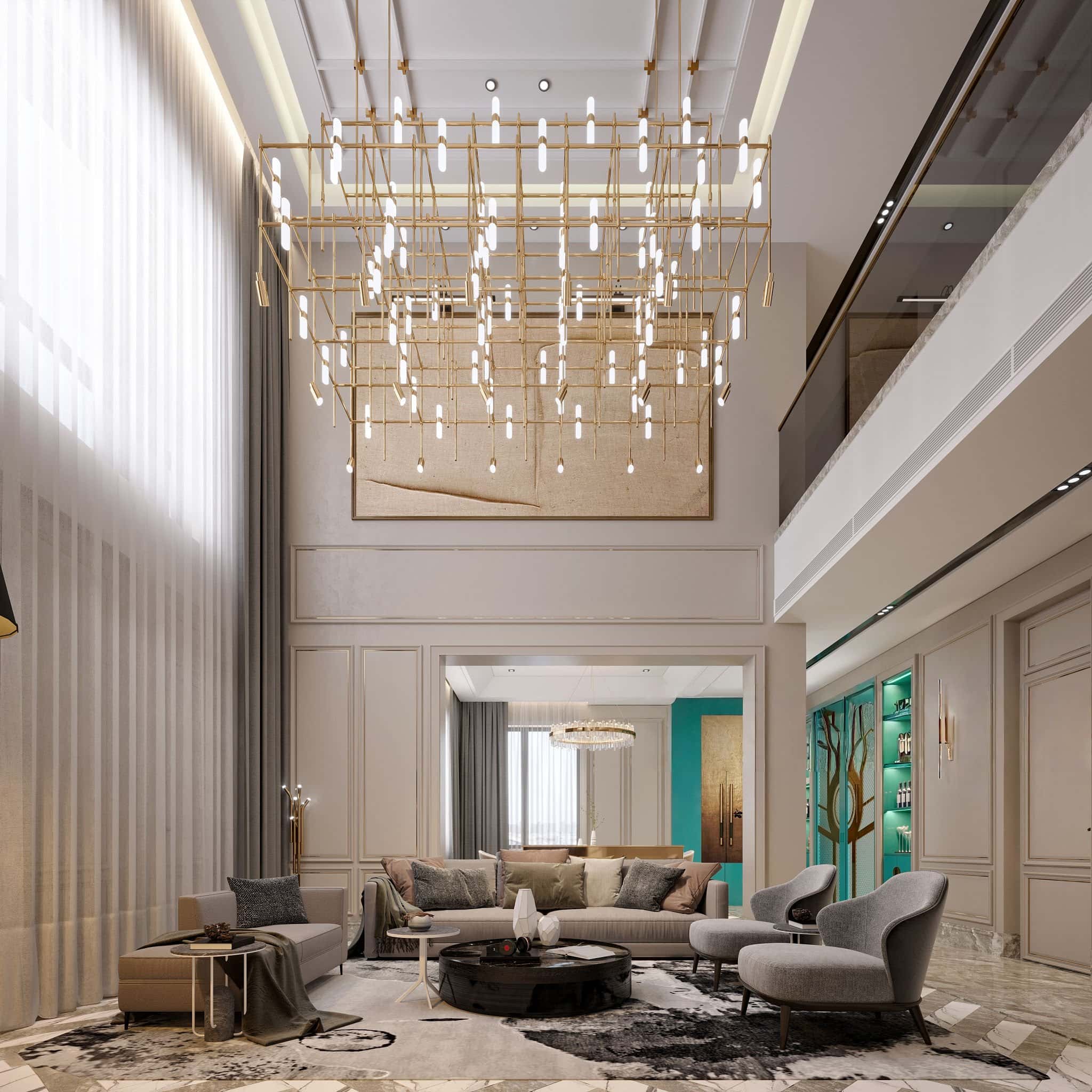
| Living Room | Sofa, 2 armchairs, coffee table, console, TV unit | 8,500–12,000 | 18,000–28,000 |
| Master Bedroom | King bed, 2 nightstands, dresser, bench | 5,500–8,000 | 12,000–20,000 |
| Dining Room | Table (8-seater), 8 chairs, sideboard | 7,000–10,500 | 15,000–25,000 |
| Guest Bedroom 1 | Queen bed, nightstand, desk, chair | 3,000–4,500 | 6,500–11,000 |
| Guest Bedroom 2 | Same as above | 3,000–4,500 | 6,500–11,000 |
| Study | Desk, bookshelf, accent chair | 3,500–5,500 | 7,500–13,000 |
| Entryway | Console, mirror, bench | 1,800–3,000 | 4,000–7,000 |
| Subtotal (FOB) | 32,300–47,500 | 69,500–115,000 | |
| + Landed Cost (22%) | +7,100–10,450 | +15,290–25,300 | |
| Total Landed | 39,400–57,950 | 84,790–140,300 |
Compare this to sourcing equivalent pieces from European or North American workshops: a landed budget of $39K–$58K at mid-spec from China would translate to $85K–$150K domestically. The math speaks for itself.
Frequently Asked Questions
Can I order just one custom piece, or is there a minimum order?Most Chinese workshops accept single-piece custom orders, though some apply a small-run surcharge (10–20%). For standard collections, the MOQ is typically 3–5 pieces. If a factory demands 20+ units for a custom item, look elsewhere — that’s a production-line shop, not a custom workshop.
How do payment terms usually work?The standard structure is 30% deposit upon order confirmation, 70% balance after QC approval and before shipment. For orders exceeding $30,000, you can often negotiate 30–40–30 terms (deposit–mid-production–pre-shipment). Avoid any factory asking for 100% upfront.
What happens if the finished piece doesn’t match the approved sample?This is why pre-shipment inspection matters. If the production piece deviates from the approved sample, a reputable factory will remake it at their cost — provided the deviation is their error, not a spec change from your side. Get this clause in writing before placing the order.
How much should I budget for shipping a full villa project?For a 4-bedroom villa filling a 40ft container, ocean freight from China to the US West Coast runs $4,000–$6,500. Add port fees, customs, and domestic delivery, and total logistics typically land at 18–25% of FOB value. LCL shipments are proportionally more expensive.
Is it cheaper to source during certain times of the year?Yes. Chinese factories offer the best pricing between late October and January (their slow season before Chinese New Year). Ordering in March–May, the peak production window, means longer lead times and tighter margins. Planning your order cycle around this calendar can save 5–10%.
Fenmicasa has been manufacturing bespoke villa furniture for 18 years from our Guangdong workshops, shipping to projects in 40+ countries. Email contact@fenmicasa.com with your floor plan and material preferences for a detailed quotation within 48 hours.