
Mid-century modern (MCM) furniture has moved beyond trend status — it is now a permanent design language. This guide traces the revival, breaks down the defining characteristics, and shows how to integrate MCM pieces into contemporary luxury interiors without creating a time capsule.
The Enduring Appeal of Mid-Century Modern Design
Why does furniture designed between 1945 and 1970 still dominate Instagram feeds, hotel lobbies, and luxury showrooms in 2026? Three factors explain the sustained relevance:
| Factor | Explanation | Evidence |
| Functional minimalism | Clean lines serve the user, not decoration | Eames, Saarinen, Nelson designs still in production |
| Material honesty | Wood grain, leather patina, and metal express truthfully | No faux finishes or applied ornamentation |
| Scale adaptability | Proportions fit both compact urban apartments and open-plan homes | MCM pieces work in 400 sq ft studios and 4,000 sq ft lofts |
The revival is not nostalgia. It is a rejection of disposable design in favor of pieces built to last and improve with age.
Defining Characteristics of Mid-Century Modern Furniture
Form and Silhouette
| Characteristic | Description | Iconic Example |
| Tapered legs | Wood or metal legs that narrow toward the floor | Eames Dining Chair (DCW) |
| Organic curves | Gentle arcs inspired by natural forms | Eero Saarinen Womb Chair |
| Geometric simplicity | Rectangles, circles, and gentle angles — no excess | George Nelson Platform Bench |
| Exposed structure | Frames visible rather than hidden under upholstery | Poul Kjaerholm PK22 Chair |
| Low profile | Seat heights of 14–17 inches create visual openness | Milo Baughman Sofa designs |
Materials That Define the Era
| Material | Role in MCM Design | Modern Equivalent |
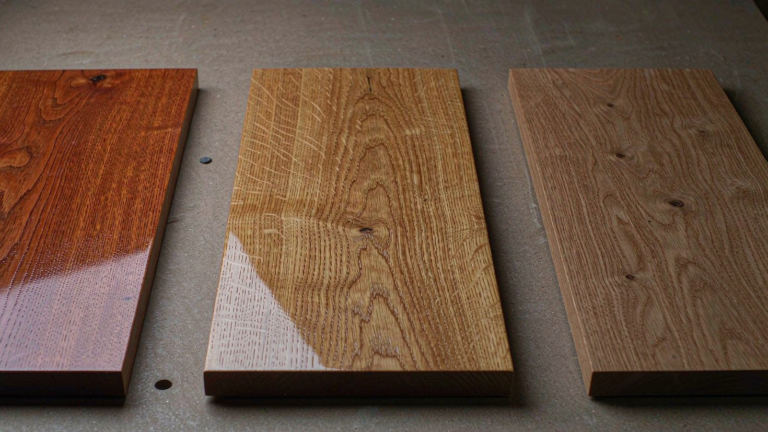
| Walnut | The signature wood — rich, warm, tight grain | American black walnut (sustainable FSC sources) |
| Teak | Outdoor and indoor, weathered beautifully | Plantation teak (certified) |
| Molded plywood | Eames breakthrough — bent in compound curves | CNC-bent birch or walnut plywood |
| Leather | Aniline-dyed, aging to patina | Full-grain or top-grain in warm tones |
| Fiberglass | Original Eames shell material | Recycled polypropylene (eco-friendly alternative) |
| Brass | Drawer pulls, legs, and accents | Brushed or unlacquered brass (living finish) |
How to Integrate MCM Into Contemporary Interiors
The 60-30-10 Rule for MCM Blending
| Ratio | Style | Application |
| 60% | Contemporary / transitional | Main sofa, area rug, wall treatments |
| 30% | Mid-century modern | Accent chairs, coffee table, credenza |
| 10% | Unexpected element | Vintage art, industrial lighting, or bold color |
This formula prevents a room from feeling like a 1960s museum while honoring the MCM aesthetic.
Room-by-Room Integration Guide
| Room | MCM Statement Piece | Supporting Elements | Common Mistake |
| Living room | Walnut credenza | Leather sofa, geometric rug | Matching all wood tones (mix warm and cool) |
| Dining room | Molded plywood chairs | Live-edge table, pendant light | Using MCM chairs with a MCM table (too themed) |
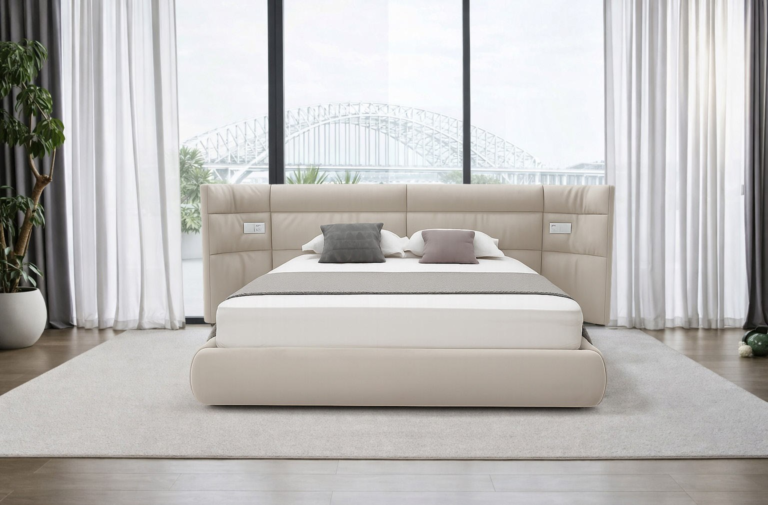
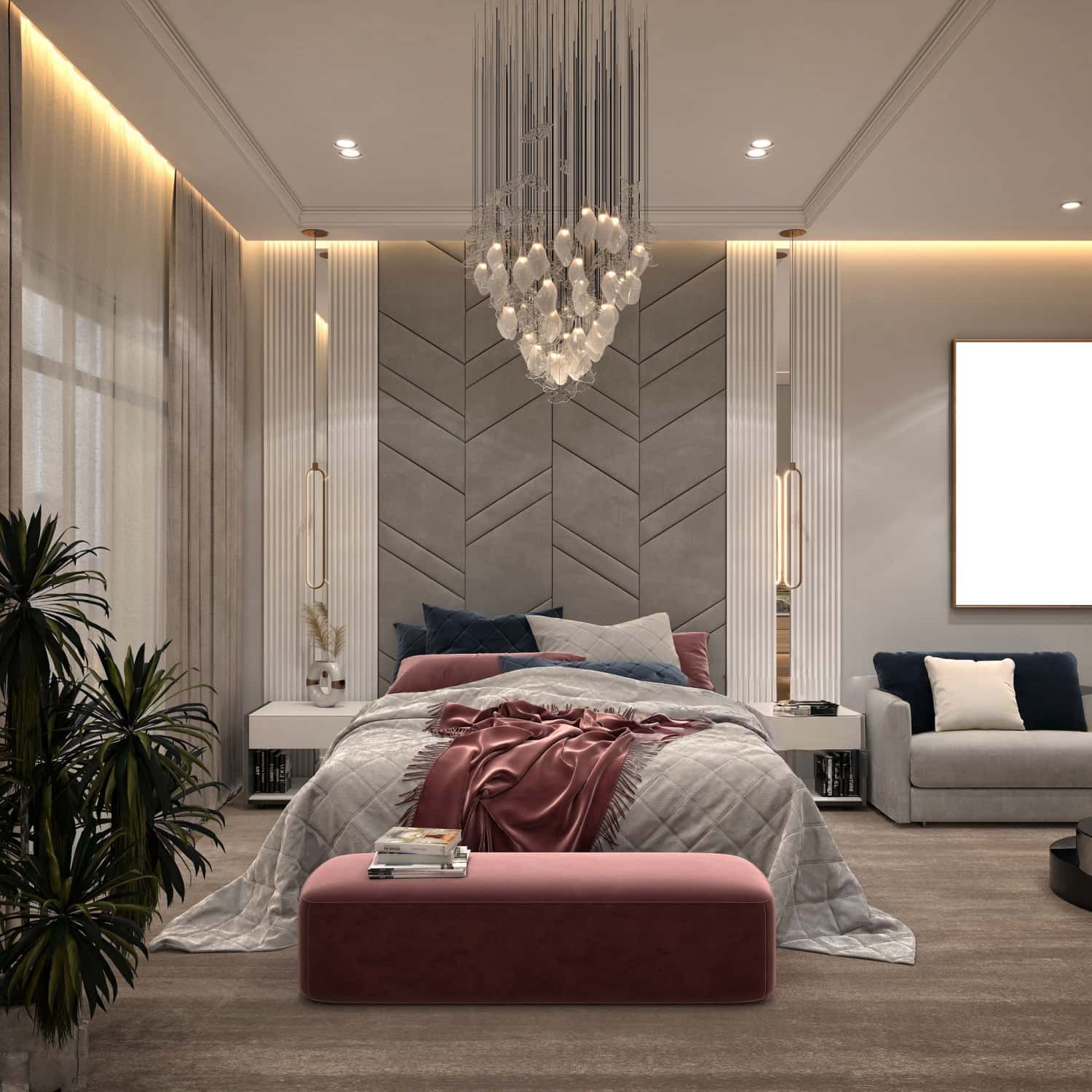
| Bedroom | Platform bed with tapered legs | Linen bedding, minimal nightstands | Over-accessorizing with vintage knick-knacks |
| Home office | Desk with brass legs | Eames-style task chair, floating shelf | Choosing form over ergonomic function |
| Entryway | Geometric mirror + slim console | Ceramic vase, woven basket | Crowding a small space with too many MCM pieces |
MCM Furniture for Different Client Profiles
| Client Type | Priority | Recommended MCM Approach | Budget Consideration |
| Young professionals | Style + affordability | MCM-inspired production pieces | $500–$2,000 per room |
| Growing families | Durability + design | Performance fabric on MCM silhouettes | $2,000–$8,000 per room |
| Luxury homeowners | Authenticity + investment | Original or licensed reproductions | $5,000–$30,000 per room |
| Hospitality FF&E | Brand alignment + contract grade | Custom MCM-inspired with commercial specs | Project-based pricing |
The Investment Case: MCM as Appreciating Design
Authentic mid-century furniture has appreciated significantly over the past two decades. Understanding the market helps clients view MCM purchases as investments, not expenses.
| Category | 2010 Value | 2026 Value | Appreciation |
| Eames Lounge Chair (original) | $3,500 | $7,500–$12,000 | 114–243% |
| Hans Wegner Wishbone Chair | $400 | $900–$1,400 | 125–250% |
| George Nelson Bubble Lamp | $600 | $1,200–$2,000 | 100–233% |
| Poul Kjaerholm PK22 | $2,000 | $4,500–$8,000 | 125–300% |
| Charlotte Perriand Bookcase | $5,000 | $15,000–$40,000 | 200–700% |
Even production-line licensed pieces (Herman Miller, Knoll, Fritz Hansen) hold value better than mass-market alternatives because the designs are culturally significant and the manufacturing quality is exceptional.
Quality Checklist: How to Spot Well-Made MCM Furniture
- **Joinery**: Dovetail or mortise-and-tenon — no staples or visible glue
- **Wood grain**: Continuous grain across drawer fronts (book-matched)
- **Finish**: Hand-rubbed oil or lacquer — no plastic-looking polyurethane
- **Upholstery**: Removable cushions with zippered covers (for cleaning)
- **Legs**: Solid wood or powder-coated metal — no hollow plastic
- **Hardware**: Metal drawer glides, brass or steel pulls — no nylon tracks
- **Cushion core**: High-resilience foam (2.0+ lb density) or spring-down wrap
- **Frame warranty**: Minimum 5-year structural warranty
- **Licensing**: Look for Herman Miller, Knoll, or Fritz Hansen labels for authenticity
- **Sustainability**: FSC-certified wood, CertiPUR foam, low-VOC finishes
Frequently Asked Questions
Q1: Is mid-century modern furniture comfortable or just stylish?
MCM furniture was designed with ergonomics in mind. The Eames Lounge Chair, Womb Chair, and Barcelona Chair were all engineered for extended seating comfort. The key is choosing pieces with proper cushion density (1.8–2.5 lb foam) and seat depth (18–22 inches for sofas).
Q2: Can MCM furniture work in traditional homes?
Yes. A single MCM statement piece — such as a walnut credenza in a traditional dining room — creates visual interest without clashing. The 60-30-10 blending rule ensures MCM elements complement rather than compete with traditional architecture.
Q3: What is the difference between MCM-inspired and authentic mid-century furniture?
Authentic MCM refers to pieces designed during the 1945–1970 era (vintage) or licensed reproductions by the original manufacturers. MCM-inspired pieces adopt the silhouette and style but may use different materials and construction methods. Both are valid choices — the decision depends on budget and authenticity requirements.
Q4: How do I maintain walnut MCM furniture?
Dust weekly with a microfiber cloth. Apply furniture wax or oil every 6–12 months. Avoid direct sunlight exposure (causes uneven fading). Use coasters for all drinks. For water rings, rub gently with mayonnaise or walnut oil — the natural oils help restore the finish.
Q5: Is MCM still relevant for 2026 and beyond?
Design historians and industry analysts agree that MCM has transcended trend cycles. Its principles — functionality, material honesty, and timeless proportions — align with the growing demand for sustainable, lasting design. The style will continue evolving through new material applications and cultural reinterpretations, but its core DNA is permanent.