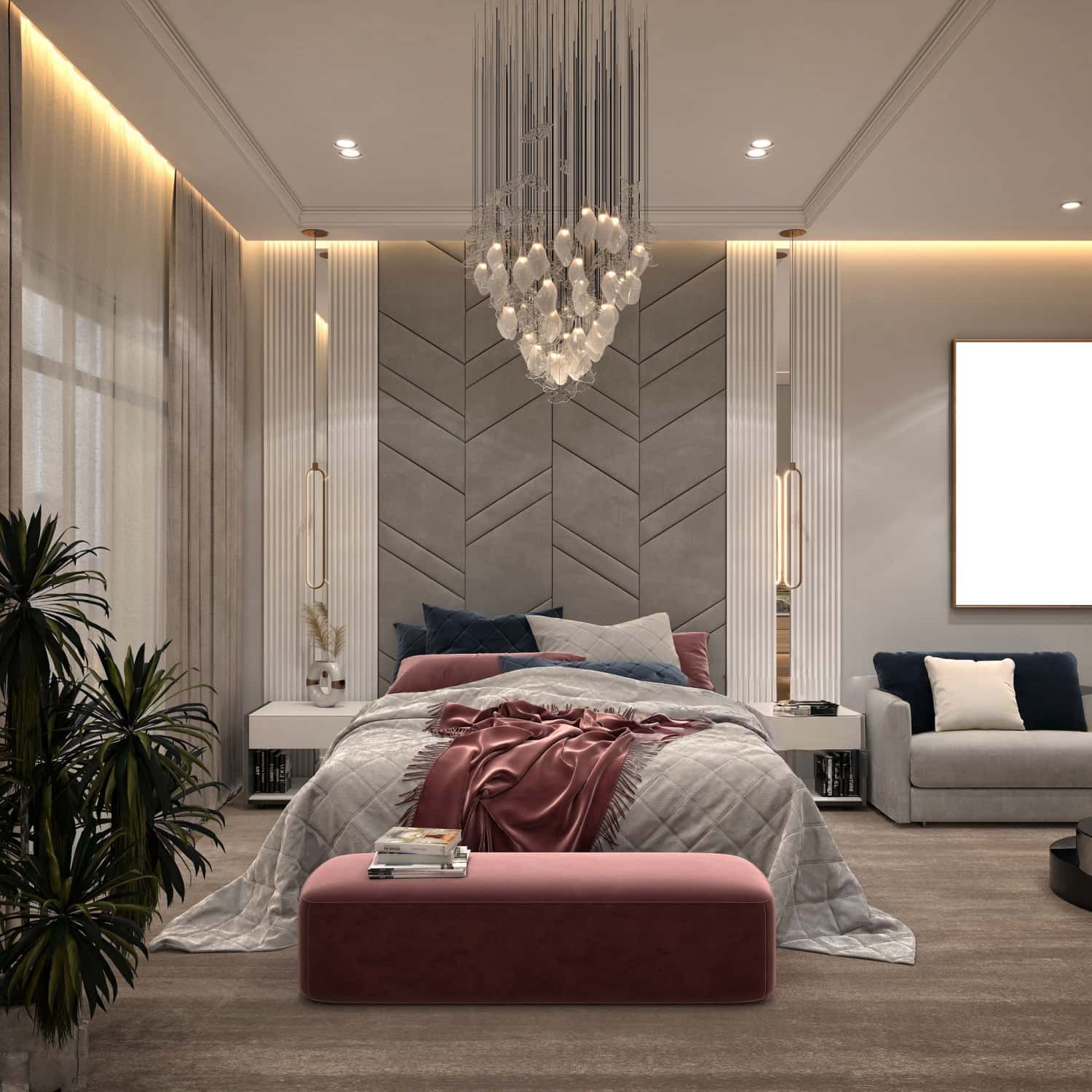

The bedroom is the most personal room in any home — a sanctuary where design meets intimacy, and where every piece of furniture should reflect your individual taste and lifestyle. Bespoke bedroom furniture transforms this private space from a generic layout into a curated retreat, tailored to your exact dimensions, aesthetic preferences, and functional needs. Whether you are commissioning a statement headboard that anchors the room, nightstands that perfectly frame your bed, or a wardrobe system that maximizes every inch of storage, the bespoke approach delivers results that mass production simply cannot match.
How to Design Bespoke Bedroom Furniture
Designing bespoke bedroom furniture begins with understanding the room as a whole — its architecture, proportions, natural light, and the rhythm of your daily routine. The process is not simply about selecting attractive pieces; it is about engineering a cohesive environment where every element serves both visual and practical purposes. Luxury homeowners and interior designers approach bespoke bedroom projects with a structured methodology that ensures the final result is both beautiful and deeply functional.
The first step is spatial analysis. Measure every dimension, note window positions, door swings, and ceiling heights. These constraints define what is possible and what is optimal. A room with a low ceiling, for instance, demands a headboard with vertical emphasis rather than horizontal sprawl. A narrow room benefits from wardrobes with sliding doors rather than hinged ones that consume clearance space. Understanding the room’s geometry prevents costly redesigns later.
Next, establish the design language. This involves choosing a stylistic direction — contemporary minimalism, classic European elegance, warm Mediterranean texture, or something entirely personal. The design language informs material choices, color palettes, profile shapes, and hardware selections. Bespoke furniture gains its power from consistency: when the headboard, nightstands, and wardrobe share a unified vocabulary of form and finish, the room achieves a sophistication that random selections never deliver.
Functional requirements must be documented before aesthetics take over. How many garments does the wardrobe need to store? Does the homeowner require integrated lighting within the wardrobe? Should the nightstands include concealed charging ports or open shelving for books? These questions shape the internal architecture of each piece. Bespoke design is not decoration applied to standard forms — it is the creation of forms that serve specific purposes.
Custom Headboard Design: The Focal Point of Every Bedroom
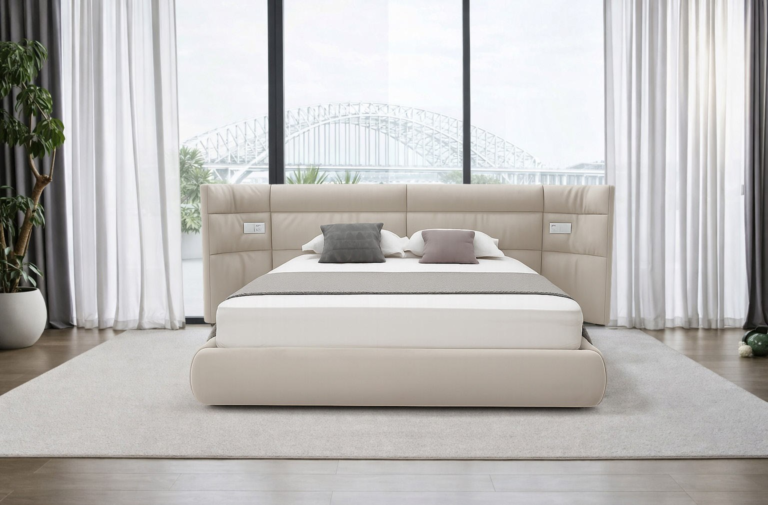
The headboard is the visual anchor of the bedroom. A bespoke headboard transforms the sleeping area from a utilitarian arrangement into a designed composition. The options range from upholstered panels with intricate channeling to solid wood panels with carved detailing, from metal frameworks with artisanal finishes to mixed-material constructions that combine leather, wood, and fabric.
| Headboard Style | Visual Impact | Comfort Level | Maintenance | Typical Cost Range | Best Room Style |
| Upholstered Panel | High — soft texture, color depth | Excellent — padded surface for reading | Moderate — fabric requires spot cleaning | $1,200 – $4,500 | Contemporary, Transitional |
| Solid Wood Panel | Strong — natural grain, warmth | Low — hard surface, minimal padding | Low — periodic oiling or waxing | $800 – $3,800 | Rustic, Scandinavian, Classic |
| Channelled/Tufted | Very high — geometric rhythm, luxury signal | Excellent — deep cushioning | Moderate — seams can trap dust | $1,800 – $6,000 | Art Deco, Glam, Modern Luxury |
| Metal Frame | Distinctive — industrial or ornamental | Low — no padding unless added | Low — wipe-down surface | $600 – $2,500 | Industrial, Loft, Minimalist |
| Mixed Material | Highest — layered richness, bespoke signature | Variable — depends on material mix | High — multiple surfaces to maintain | $2,500 – $8,000 | Eclectic, Designer-led |
Upholstered headboards offer the widest range of fabric options. Velvet brings depth and warmth; linen provides a relaxed, breathable texture; leather delivers a refined, enduring surface. The choice of fabric affects not only appearance but also acoustic behavior — upholstered headboards absorb sound, reducing echo and creating a quieter sleeping environment. Brands like Fenmi Casa offer curated fabric libraries that pair headboard textiles with complementary wardrobe and nightstand finishes, ensuring coherence across the suite.
Custom headboard dimensions should respond to the bed width, the wall proportions, and the ceiling height. A headboard that extends beyond the bed frame by four to six inches on each side creates a grounded, intentional look. Height should leave adequate wall space above — approximately one-third of the wall height should remain visible to prevent the headboard from overwhelming the room. For king-size beds in rooms with standard eight-foot ceilings, a headboard height of 48 to 56 inches typically achieves the right balance.
Nightstands: The Essential Companions
Nightstands are the most touched pieces of furniture in the bedroom. Every evening and every morning, they receive and release phones, books, glasses, water glasses, and personal items. Bespoke nightstands should be designed around this interaction pattern rather than around generic drawer configurations.
The height of a nightstand should match the mattress height plus two to four inches. This places the top surface at arm level when lying down, eliminating the need to reach down or up. Width should relate to the headboard proportions — typically one-third to one-half of the headboard width for each nightstand. Depth should allow easy movement around the bed; 16 to 20 inches is optimal for most rooms, while 14 inches works for tight layouts.
Internal configuration matters as much as external design. A top drawer lined with felt or velvet protects delicate items like watches and jewelry. An open shelf below the drawer provides accessible space for books or a charging station. A concealed power outlet integrated into the back panel eliminates cord visibility while keeping devices charged. These functional details distinguish bespoke nightstands from catalog alternatives.
Luxury Wardrobe Design: Storage Architecture
A bespoke wardrobe is less a piece of furniture and more an architectural installation. It must organize an entire wardrobe of clothing, accessories, and personal items while presenting an exterior that enhances the room’s design language. The interior configuration — hanging rails at different heights, drawer units, shelving, accessory trays, and mirror panels — should be designed around the owner’s actual clothing inventory.
| Wardrobe Configuration | Storage Capacity | Accessibility | Space Requirement | Cost Index | Ideal Use Case |
| Full Walk-in Closet | Maximum — dedicated room | Excellent — 360-degree access | Requires separate room or large alcove | Highest | Large master suites, extensive wardrobes |
| Built-in Wall Unit | High — utilizes full wall height | Good — front access only | Wall length minimum 6 feet | High | Standard bedrooms, long walls |
| Freestanding Armoire | Moderate — limited by depth | Moderate — hinged doors need swing space | Clearance for door opening | Medium | Rooms with limited wall space, period homes |
| Modular System | Flexible — expandable over time | Good — section-by-section access | Configurable, adaptable | Variable | Growing wardrobes, rental properties |
| Sliding-Door Unit | High — full height, no door swing | Good — partial view at a time | Minimal — no swing clearance needed | Medium-High | Narrow rooms, modern apartments |
Wardrobe interiors should include a mix of hanging space (long for dresses and coats, short for shirts and folded trousers), drawer storage (deep for sweaters, shallow for underwear and accessories), and open shelving (for bags, hats, and items that benefit from visibility). Integrated lighting — LED strips above hanging rails and within drawer units — transforms the wardrobe from a dark enclosure into a boutique-like display. Fenmi Casa and similar luxury providers offer interior lighting packages that synchronize with the room’s overall lighting scheme.
Hardware selection on wardrobe doors influences both function and appearance. Flush pulls maintain a clean, minimal exterior. Leather-wrapped handles add tactile warmth. Traditional knobs in brass or nickel suit classic interiors. The choice should echo the headboard and nightstand hardware, creating a design thread that connects all pieces.
Material Options for Bespoke Bedroom Furniture
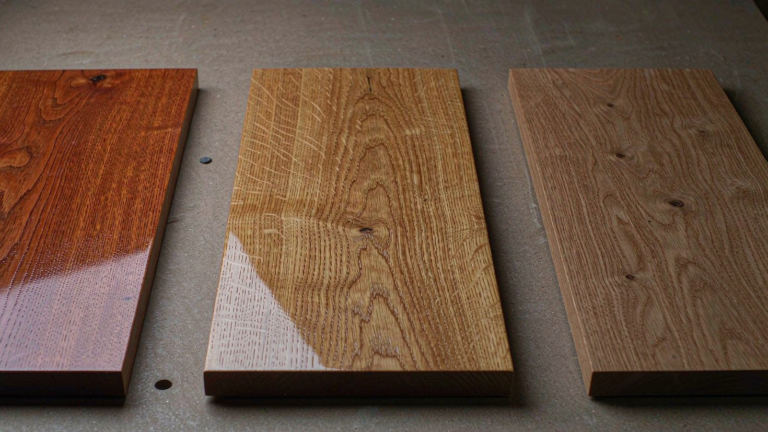
Material selection is where bespoke furniture distinguishes itself from production alternatives. The ability to specify exact wood species, fabric grades, metal finishes, and surface treatments allows each piece to achieve a character that mass-market options cannot replicate.
| Material | Aesthetic Character | Durability | Sustainability | Maintenance | Cost Tier |
| European Walnut | Rich, warm tones; pronounced grain | Excellent — hard and stable | Moderate — slow-growth hardwood | Low — oil or wax finish | Premium |
| White Oak | Light, clean; subtle grain pattern | Excellent — widely available | Good — plentiful, fast-growing | Low — clear coat or oil | Mid-Premium |
| Ash | Pale, contemporary; open grain | Good — flexible, shock-resistant | Good — fast regeneration | Low — lacquer or oil | Mid-Range |
| Brass | Warm metallic; develops patina | Excellent — ages beautifully | Moderate — mining impact | Moderate — polish or embrace patina | Premium |
| Velvet (Upholstery) | Deep, tactile; light-absorbing | Moderate — wear over time | Variable — depends on source | Moderate — professional cleaning | Mid-Premium |
| Leather (Upholstery) | Refined, aging with character | Excellent — improves with age | Moderate — animal-derived | Low — wipe and condition | Premium |
| Linen (Upholstery) | Natural, relaxed; breathable texture | Moderate — prone to wrinkling | Good — plant-based, low water | Moderate — spot cleaning | Mid-Range |
The combination of materials creates the signature of bespoke work. A walnut headboard with brass inlay strips, linen-upholstered nightstand fronts, and a wardrobe exterior in white oak with leather-wrapped handles — this layered materiality produces a room that feels curated rather than assembled. Each material should be selected not only for its individual beauty but for how it interacts with adjacent materials under the room’s lighting conditions.
Budget Planning for Bespoke Bedroom Projects
Bespoke bedroom furniture operates across a wide cost spectrum, from premium modifications of existing designs to fully original commissions with artisanal detailing. Understanding budget tiers helps homeowners and designers set realistic expectations and allocate resources effectively.
| Budget Tier | Investment Range | What It Delivers | Typical Timeline | Recommended Approach | Example Outcome |
| Entry Bespoke | $5,000 – $12,000 | Modified standard designs with custom dimensions and finishes | 6–8 weeks | Select base designs, customize finishes and sizes | Custom-sized headboard, tailored nightstands, standard wardrobe with custom finish |
| Mid-Range Bespoke | $12,000 – $30,000 | Semi-original designs with selected custom details | 8–12 weeks | Collaborate on design, choose premium materials | Original headboard design, bespoke nightstands with integrated features, custom wardrobe layout |
| Full Bespoke | $30,000 – $60,000 | Fully original designs, premium materials, artisanal details | 12–16 weeks | Full design development, material sourcing, artisan fabrication | Designed suite with unique profiles, mixed materials, integrated lighting and technology |
| Ultra-Luxury | $60,000+ | Master craftsman execution, rare materials, museum-quality finishes | 16–24 weeks | Architect-level design brief, master artisan selection | Entire bedroom as designed environment, rare wood species, hand-carved details, bespoke hardware |
Budget allocation should prioritize the headboard and wardrobe, as these dominate the room’s visual field. Nightstands, while essential, occupy less visual space and can sometimes be specified at a lower investment level without compromising the room’s overall impact. A common effective allocation places roughly 40% of budget on the wardrobe, 35% on the headboard, and 25% on the nightstands and accessories.
Bespoke Bedroom Furniture Design Checklist
The following checklist guides homeowners and designers through the bespoke bedroom furniture commission process, ensuring no critical decision is overlooked.
| Checklist Phase | Key Actions | Decision Points | Documents Needed | Risk to Address |
| 1. Spatial Analysis | Measure room, photograph from multiple angles, note architectural features | Room proportions, ceiling height, window/door positions | Floor plan with dimensions, elevation sketches | Overlooking constraints that limit piece sizes |
| 2. Design Language | Choose stylistic direction, collect reference images, define material palette | Style orientation, primary and secondary materials | Mood board, material sample board | Inconsistent direction leading to disjointed suite |
| 3. Functional Brief | List storage needs, daily routines, technology requirements | Drawer count, hanging space, charging needs, lighting | Functional requirements document | Under-specifying storage leading to inadequate wardrobe |
| 4. Maker Selection | Research makers, review portfolios, visit workshops if possible | Maker capabilities, communication style, timeline reliability | Maker comparison sheet, reference checks | Choosing maker without relevant bedroom experience |
| 5. Design Development | Review sketches, approve 3D renders, confirm material samples | Final profile shapes, finish specifications, hardware choices | Approved design drawings, signed spec sheet | Approving designs without seeing full-room context |
| 6. Fabrication & Installation | Monitor progress, coordinate delivery, oversee placement | Delivery timing, installation method, final adjustments | Installation plan, condition report | Delivery damage or improper installation |
Each phase should be completed before proceeding to the next. Rushing through spatial analysis, for example, may result in a wardrobe that blocks a window or a headboard that overwhelms the wall. The checklist is not bureaucratic overhead — it is the structure that turns aspiration into a successful result.
Frequently Asked Questions
Q1: How long does a bespoke bedroom furniture project typically take?
A bespoke bedroom furniture project generally requires 8 to 16 weeks from initial design consultation to final installation. Entry-level bespoke work, which modifies existing designs with custom dimensions and finishes, may complete in 6 to 8 weeks. Fully original commissions involving rare materials or artisanal techniques can extend to 16 to 24 weeks. The timeline depends on design complexity, material availability, maker capacity, and shipping logistics. Planning should begin at least four months before the desired installation date.
Q2: Can bespoke bedroom furniture be designed for small spaces?
Bespoke furniture is especially valuable in small bedrooms because every dimension is optimized for the specific room. A custom wardrobe with sliding doors eliminates the clearance needed for hinged doors. A headboard with integrated nightstand shelves removes the need for separate nightstand pieces. A wardrobe that extends to the ceiling captures storage volume that standard-height pieces leave unused. The bespoke approach transforms spatial limitations into design opportunities.
Q3: What is the difference between bespoke and custom-made furniture?
Custom-made furniture adjusts existing designs to fit specific dimensions or finish preferences — a standard wardrobe design produced at a non-standard width, for instance. Bespoke furniture begins from a blank design brief: the piece is conceived, developed, and fabricated entirely around the client’s specifications. Bespoke work involves original design development, unique material combinations, and often artisanal techniques that are not available in custom-made processes. The investment and timeline are correspondingly higher, but the result is a piece that exists nowhere else.
Q4: How do I maintain upholstered bespoke headboards?
Upholstered headboards require regular vacuuming with a soft brush attachment to remove dust from fabric surfaces and seams. Spot cleaning should address stains immediately using appropriate cleaners for the specific fabric — velvet, linen, and leather each require different products. Professional cleaning every 12 to 18 months maintains fabric integrity and appearance. For leather headboards, conditioning every six months prevents cracking and preserves the surface’s natural aging character. Always consult the maker’s specific care guide, as bespoke materials may have unique maintenance requirements.
Q5: Should all bedroom furniture pieces match exactly?
Exact matching — identical wood, identical finish, identical hardware — can produce a flat, catalog-like appearance. The most sophisticated bespoke bedrooms use a coordinated approach: pieces share a design language (similar profile shapes, compatible proportions) but vary in material and finish to create visual depth. A walnut headboard, white oak wardrobe, and leather-accented nightstands share warmth as a common thread but differ enough to create interest. Coordination, not uniformity, is the hallmark of designer-led bespoke work. Fenmi Casa and similar luxury specialists often develop suite proposals where each piece complements rather than duplicates the others.