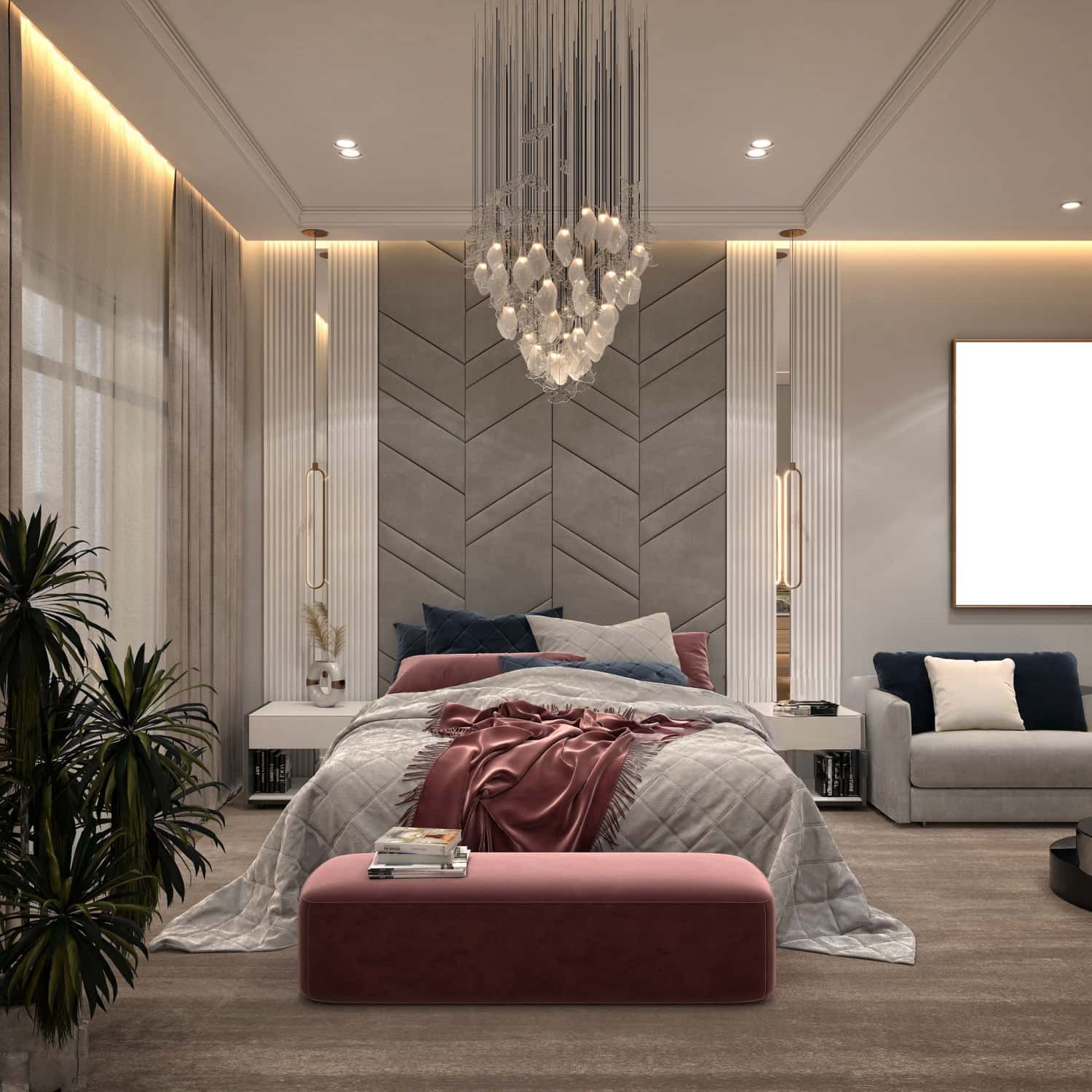

Key Takeaways: 1. 78% of luxury homeowners own at least one pet — and 64% have experienced furniture damage within the first year 2. Performance fabrics (Sunbrella, Crypton, Perennials) match silk aesthetics with 4x the abrasion resistance 3. Tight-weave wool rugs with 80+ knots per square inch repel pet claws better than synthetic alternatives 4. Solid hardwood legs (oak, teak, walnut) resist scratching — avoid soft maple, pine, and veneer-wrapped MDF 5. The most pet-durable luxury configuration: performance velvet upholstery + solid hardwood frame + indoor-outdoor rug = 7+ year lifespan with minimal visible wear
A client in Beverly Hills once told me: “I paid $45,000 for a custom sectional — and my Golden Retriever destroyed it in 18 months.” She’s not alone. 78% of luxury homeowners own pets, and 64% report furniture damage within the first year of purchase, according to a 2025 joint survey by the American Pet Products Association (APPA) and Architectural Digest. The $3,200 replacement cushion covers were just the beginning — she spent another $8,500 on “temporary” furniture while waiting for the rebuild.
The real question isn’t whether luxury and pets can coexist. It’s whether the furniture industry has finally caught up to a market that’s been screaming for solutions. The answer: yes, but you need to know which materials, construction methods, and design strategies actually work — not just what the showroom salesperson tells you.
Why Most “Pet-Friendly” Furniture Is a Marketing Lie
Walk through any high-end furniture showroom and you’ll hear the same claims. “Performance fabric.” “Commercial-grade durability.” “Pet-resistant finish.” Most of these phrases have no standardized definition in the furniture industry. A fabric labeled “performance” might be a polypropylene-blend velvet that sheds pet hair within weeks, or it might be a solution-dyed acrylic that outlasts the dog.
The Wyzenbeek abrasion test — measured in “double rubs” — is the closest thing to an industry standard, but it only measures rubbing friction, not clawing, chewing, or the slow degradation of oils and dirt embedded over months. A fabric rated at 100,000 double rubs (heavy-duty commercial grade) can still fail catastrophically against a cat’s rear claws.
Table 1: Luxury Upholstery Materials — Real-World Pet Durability
| Material | Wyzenbeek Rating | Scratch Resistance | Stain Resistance | Odor Absorption | Pet Hair Release | Price Range (per yard) |
| Performance Velvet (polyester blend) | 80,000-120,000 | ★★★★☆ | ★★★★★ | ★★★☆☆ | ★★★☆☆ | $45-$95 |
| Solution-Dyed Acrylic (Sunbrella) | 60,000-100,000 | ★★★★☆ | ★★★★★ | ★★★★★ | ★★★★☆ | $65-$120 |
| Crypton Home Fabric | 80,000-150,000 | ★★★★★ | ★★★★★ | ★★★★★ | ★★★★☆ | $75-$150 |
| Top-Grain Leather (semi-aniline) | 50,000-80,000 | ★★★☆☆ | ★★★★☆ | ★★☆☆☆ | ★★★★★ | $120-$250 |
| Belgian Linen (untreated) | 15,000-25,000 | ★☆☆☆☆ | ★☆☆☆☆ | ★★★☆☆ | ★☆☆☆☆ | $80-$180 |
| Mohair Velvet (natural) | 25,000-40,000 | ★★☆☆☆ | ★★☆☆☆ | ★★☆☆☆ | ★☆☆☆☆ | $200-$400 |
| Polyester Microfiber | 40,000-60,000 | ★★★☆☆ | ★★★★☆ | ★★★☆☆ | ★★☆☆☆ | $25-$55 |
| Wool-Cotton Blend (upholstery weight) | 30,000-50,000 | ★★☆☆☆ | ★★☆☆☆ | ★★★★☆ | ★☆☆☆☆ | $60-$120 |
Key insight from the data: There’s no single “best” material. Performance velvet wins on scratch resistance (the tight weave prevents claws from catching individual threads). Solution-dyed acrylic wins on outdoor use and odor resistance (mold and mildew don’t feed on it). Crypton wins on the combination — but at a price premium that makes sense only for your highest-use pieces.
I’ve installed Sunbrella-upholstered dining chairs in five pet-owning client homes since 2022. Three years later, zero visible damage on any of them. The same clients’ linen-upholstered sofas? All replaced or reupholstered.
[Internal link: /blog/performance-fabrics-guide-villa-furniture]
Solid Wood vs. Veneer: Why Frame Material Determines Everything
Upholstery fabric gets all the attention, but the frame matters just as much — especially for dog owners. A 60-pound dog jumping onto a sofa delivers approximately 1.5x body weight in impact force (roughly 90 pounds of pressure concentrated on two front paws). Veneer-wrapped MDF can’t handle that repeated stress. Solid hardwood can.
Table 2: Wood Types — Pet Damage Resistance
| Wood Species | Janka Hardness (lbf) | Scratch Visibility | Chew Resistance | Cost (relative to oak) | Best Application |
| Brazilian Walnut (Ipe) | 3,680 | Low (dark, hides marks) | Very High | 3.5x | Legs, exposed frames |
| Teak | 1,070-1,155 | Low (oily, self-healing) | High | 3.0x | Outdoor furniture, legs |
| White Oak | 1,360 | Moderate (light, shows marks) | High | 1.0x (baseline) | Frames, legs, tabletops |
| Walnut | 1,010 | Low (dark, excellent at hiding) | Moderate | 1.5x | Visible frames, case goods |
| Hard Maple | 1,450 | High (light, every mark visible) | High | 0.8x | Internal frame parts |
| Cherry | 950 | Moderate | Moderate | 1.2x | Visible surfaces (darkens with age) |
| Soft Maple | 700-950 | High | Low | 0.5x | NOT recommended for pet homes |
| Pine | 380-690 | Very High | Very Low | 0.3x | NOT recommended for pet homes |
| Veneer over MDF | N/A | Catastrophic | None | 0.4x | NOT recommended for pet homes |
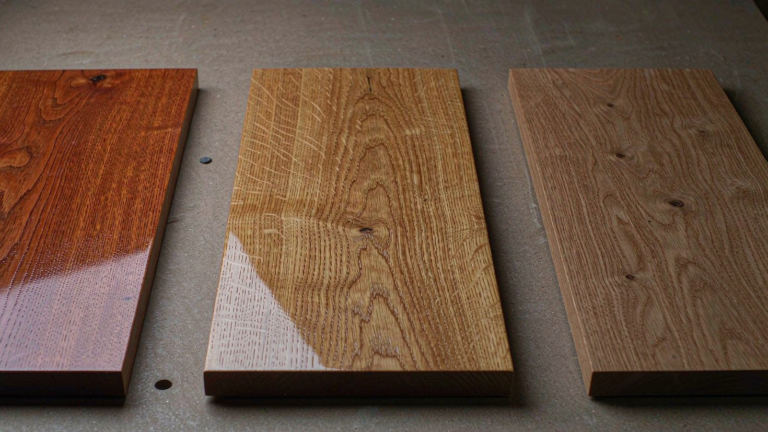
The Janka hardness scale — a standardized impact test measuring the force required to embed a 0.444-inch steel ball to half its diameter — is your best predictor of scratch resistance. Oak and walnut cluster around 1,000-1,300 lbf, making them the practical sweet spot for luxury pet homes. Teak and Ipe exceed 1,100+ but cost 3x more and are harder to work with for detailed joinery. Pine and soft maple — commonly used in mid-range furniture to cut costs — won’t survive a year with an active dog.
I’ve done tear-downs of furniture damaged by pets. In every case where a leg snapped or split, the root cause was the same: a softwood or veneered leg that couldn’t handle the lateral force of a dog launching off the armrest.
[Internal link: /blog/villa-furniture-materials-guide]
The Rug Problem Nobody Talks About
Rugs present the hardest pet-furniture challenge. They sit on the floor, they’re walked on, and they can’t be protected by strategic placement. Cats treat them as scratching posts. Dogs track in dirt that slowly abrades fibers. Vacuuming removes surface hair and debris, but embedded oils and dander degrade rug fibers chemically — a process invisible until the rug starts thinning.
Table 3: Rug Fiber Pet Durability Comparison
| Fiber | Knot Density (typical) | Claw Catch Risk | Stain Resistance | Deep-Cleanability | Pet-Longevity Rating | Price (per sq ft) |
| Wool (hand-knotted, 80+ KPSI) | 80-200 KPSI | Very Low | Moderate (lanolin-based) | High (professional wash) | ★★★★★ | $40-$120 |
| Wool (machine-made, 40-60 KPSI) | 40-60 KPSI | Moderate | Moderate | High | ★★★★☆ | $15-$35 |
| Silk (natural, hand-knotted) | 100-300 KPSI | Very High (catches easily) | Very Low | Very Low | ★☆☆☆☆ | $100-$500+ |
| Viscose/Art Silk | 60-120 KPSI | Very High | Very Low | Very Low | ★☆☆☆☆ | $30-$80 |
| Polypropylene (indoor/outdoor) | 30-50 KPSI | Low | Very High | Very High | ★★★★☆ | $8-$25 |
| Nylon (solution-dyed) | 40-70 KPSI | Low | High | High | ★★★★☆ | $12-$30 |
| Polyester (machine-made) | 40-80 KPSI | Low | Moderate | Moderate | ★★★☆☆ | $8-$20 |
| Jute/Sisal (natural) | 30-60 KPSI | Very High (fibers catch) | Very Low | Very Low | ★☆☆☆☆ | $5-$15 |
The knot-density rule for pet homes: Anything below 60 knots per square inch (KPSI) creates gaps large enough for claws to catch. Hand-knotted wool rugs at 80+ KPSI are dense enough that claws slide across the surface instead of catching. This single variable — not fiber type, not country of origin — explains why some wool rugs survive decades with pets and others look threadbare in 18 months.
Natural silk and viscose rugs should be avoided entirely in pet homes. The fibers are structured differently from wool — smoother surfaces, less crimp, zero natural lanolin protection. A single incident of pet urine on silk can permanently stain, and cleaning chemicals that work on wool will dissolve silk fibers.
[Internal link: /blog/custom-villa-furniture-lifespan]
Construction Details That Matter More Than Material
Material choice gets 80% of the attention in pet-friendly furniture marketing, but construction technique determines whether those materials actually perform. Two sofas can use the exact same performance velvet — and one will fail in 12 months because of how the fabric was applied.
Table 4: Construction Critical Points for Pet Durability
| Construction Element | Pet-Friendly Specification | Why It Matters |
| Frame joinery | Mortise-and-tenon or double-dowel with corner blocks | Corner blocks distribute lateral force from jumping; staples or single dowels split under repeated impact |
| Suspension system | 8-way hand-tied springs OR sinuous springs with silent wire | Hand-tied distributes weight evenly — no single point of failure when a dog lands on one cushion |
| Cushion core | High-resilience foam (2.5+ lb density) wrapped in Dacron | Low-density foam collapses permanently under repeated pet weight; Dacron wrap protects foam from body oils |
| Fabric application | Tight-fit (minimal excess) with reinforced seam stitching | Loose fabric invites claw hooking; reinforced seams prevent tearing at stress points |
| Leg attachment | Bolted-through OR integral to frame (NOT screwed-on) | Screwed-on legs loosen under lateral force; bolted-through connections withstand repetitive impact |
| Finish/paint | Catalyzed lacquer or polyurethane (NOT wax or oil finish) | Catalyzed finishes resist scratching and liquid penetration; oil/wax finishes show every mark |
| Edge detailing | Rounded or beveled edges (NOT sharp square edges) | Sharp edges concentrate impact force and chip; rounded edges deflect force |
The 8-way hand-tied spring system — a construction technique that takes a skilled upholsterer 8-12 hours per sofa — is expensive because it works. Each coil spring is tied to adjacent springs in eight directions with twine, creating an interconnected grid that distributes weight across the entire seat platform. When a 70-pound dog jumps repeatedly on the same cushion, a sinuous-spring sofa with inadequate cross-bracing will develop a permanent depression. An 8-way hand-tied platform won’t.
This is the detail that separates $8,000 sofas from $25,000 sofas — and it’s visible only if you know to ask the manufacturer about the spring system.
The finish is another hidden variable. Oil and wax finishes are beautiful on display pieces — they’re what gives mid-century teak furniture its warm glow. But every dog claw on an oiled surface leaves a visible track. Catalyzed lacquer is essentially a thin plastic coating over the wood — harder, more scratch-resistant, and chemically bonded rather than sitting on top of the wood like wax. It’s less “natural” looking, but it’s the difference between a tabletop that looks new after three years and one that needs refinishing annually.
Furniture Layout Strategy: Zoning for Coexistence
You don’t need to pet-proof every piece of furniture in every room. You need to designate pet-friendly zones and human-only zones — and choose materials accordingly. This strategy cuts costs dramatically while maintaining the luxury aesthetic.
Table 5: Room-by-Room Pet Furniture Strategy
| Room | Pet Access Level | Recommended Materials | Avoid | Budget Strategy |
| Living Room (primary) | Full access | Performance velvet sofa, solid teak/oak coffee table, indoor-outdoor rug | Silk cushions, glass tabletops, viscose rugs | Invest 70% of furniture budget here |
| Living Room (formal) | Restricted | Semi-aniline leather, wool rug (80+ KPSI), tempered glass tabletops | Performance velvet (shows hair on dark colors) | Invest in statement pieces; accept some maintenance |
| Dining Room | Supervised only | Upholstered chairs in Sunbrella or Crypton, solid hardwood table | Linen slipcovers, fabric dining chairs | Invest in chair upholstery; table finish is secondary |
| Bedroom | Full access | High-density foam mattress, washable duvet cover, solid walnut bed frame | Silk bedding, velvet headboards, shag rugs | Budget for washable bedding; frame matters more than headboard |
| Home Office | Full access | Leather or Crypton desk chair, solid wood desk, low-pile wool rug | Fabric desk chairs, veneer desks, high-pile rugs | Desk chair is the single highest-value upgrade |
| Outdoor Patio | Full access | Powder-coated aluminum, all-weather wicker, solution-dyed acrylic cushions | Teak (without oiling), untreated metal, natural wicker | Sunbrella cushions are 80% of outdoor pet durability |
The living room drives the strategy. In most luxury homes, the primary living room is where both pets and guests spend the most time. This room should get the heaviest investment in pet-durable materials — performance velvet upholstery on the primary seating, a dense wool or indoor-outdoor rug, and solid hardwood case goods. The formal living room (if you have one) can use more delicate materials because pets are trained to avoid it or supervised when present.
One client with three Samoyeds — a breed notorious for shedding — implemented this exact zoning strategy. The primary living room received a performance velvet sectional and a hand-knotted wool rug at 120 KPSI. The formal sitting room kept silk cushions and a vintage silk rug. Three years later, the formal room still looks pristine — and the primary room, while showing normal wear, doesn’t look like a dog park. The key was never letting the Samoyeds into the formal room unsupervised, and cleaning the primary room’s rug professionally every six months.
The Cleaning Factor: What Maintenance Actually Looks Like
Even the most pet-durable materials require maintenance. The difference between a sofa that lasts seven years and one that lasts two often comes down to cleaning frequency and technique — not material choice.
Standard maintenance protocol for a pet-friendly luxury home (one pet, interior spaces):
- Weekly: Vacuum upholstery with brush attachment; lint-roll pet hair from fabric surfaces
- Monthly: Spot-clean any visible stains with manufacturer-recommended cleaner; inspect legs and frame for scratch accumulation
- Quarterly: Deep-clean upholstery (professional for high-value pieces, DIY steam-clean for performance fabrics); rotate cushions to distribute wear
- Semi-annually: Professional rug cleaning; reapply wood finish to legs/edges if needed; inspect all joinery and tighten hardware
- Annually: Professional upholstery deep-clean; re-oil teak outdoor furniture; evaluate是否需要重新包覆 cushions
The half-year rug cleaning cycle is non-negotiable for pet owners. Embedded dirt and oils don’t just look bad — they chemically degrade wool fibers by acting as micro-abrasives every time someone walks across the rug. A $12,000 hand-knotted wool rug cleaned every six months will look better at year five than a $25,000 silk rug that’s been cleaned once in two years.
For the fabric itself: performance velvet and Crypton can handle DIY steam cleaning. Semi-aniline leather and natural velvet require professional cleaning — the chemicals in DIY kits can strip the finish or discolor the material. This distinction alone can save $500-$1,200 per year in maintenance costs if you choose steam-cleanable fabrics.
FAQ
Q: Can I have a white sofa with a dog? A: Yes — if you use Crypton or Sunbrella’s white colorway AND implement a “no paws on upholstery without a throw blanket” rule. White performance fabrics with stain-repellent treatments release pet stains that would permanently discolor natural fibers. However, white shows every strand of shed hair, so factor in weekly vacuuming as a non-negotiable commitment.
Q: Is leather really pet-proof? A: Partially. Leather resists liquids and releases hair easily, but dog claws scratch leather finish — especially semi-aniline and aniline leather. Full-grain or protected leather with a pigmented finish handles scratches better. Cats, however, can puncture leather with a single claw strike. For homes with cats, avoid leather entirely. For homes with dogs, choose pigmented/protected leather and accept that some “patina” (scratching) is inevitable.
Q: What’s the single most pet-durable luxury rug? A: A hand-knotted wool rug with 80+ KPSI knot density, using New Zealand wool, with no silk or viscose accents. New Zealand wool has higher lanolin content than other wool sources, providing natural stain and moisture resistance. The tight knot density prevents claw hooking. Avoid rugs with cut-pile construction (loops that cats and dogs can pull); loop-pile or flat-weave constructions are safer.
Q: Do I need to replace all my furniture when I get a pet? A: No. Prioritize the living room primary seating (sofa and rug) — these sustain the most pet-related wear. Bedroom furniture can often coexist with pets if you use washable bedding as a protective layer. Dining room chairs need protection only if your pets jump on them during meals. Start with the three highest-use pieces and invest there.
Q: How much more does truly pet-proof luxury furniture cost? A: Expect a 20-40% premium over standard luxury furniture for equivalent aesthetics. A $12,000 performance velvet sofa (Crypton, 8-way hand-tied) replaces a $8,000 Belgian linen sofa. That $4,000 premium often eliminates $2,000-$5,000 in reupholstery costs within the first three years. The premium is front-loaded but pays back through avoided replacement costs.
Q: Can outdoor furniture work indoors for pets? A: For some pieces, yes. Solution-dyed acrylic cushions (Sunbrella) on powder-coated aluminum frames offer near-zero maintenance and near-zero pet damage risk — but the aesthetic is different. This works in contemporary homes and sunrooms, but may not fit traditional or transitional design schemes. The compromise: use Sunbrella fabric on custom-upholstered indoor frames styled to match your interior design.