
When investing in luxury villa furniture, leather remains one of the most specified materials — and the most frequently counterfeited. A dining chair upholstered in bonded leather can look nearly identical to full-aniline Italian hide at first glance, yet the durability, comfort, and value differ dramatically.
This guide gives interior designers, villa homeowners, and procurement professionals a practical 5-point inspection method to verify leather authenticity before placing an order — whether visiting a showroom, reviewing factory samples, or inspecting delivered pieces.
Why Leather Verification Matters for Luxury Projects
Leather accounts for 30–45% of the material cost in high-end upholstered furniture. A single misidentification on a 50-seat villa dining set can mean a $15,000–$25,000 quality discrepancy. Beyond cost, genuine leather develops a natural patina that increases in beauty over decades, while synthetic alternatives degrade, peel, and crack within 3–5 years.
Table 1: Cost & Lifespan Comparison by Leather Type
| Leather Type | Avg. Cost per Sq Ft | Expected Lifespan | Aging Behavior | Best Use |
| Full-Aniline | $80–$150 | 20–30+ years | Develops rich patina | Formal living rooms, statement pieces |
| Semi-Aniline | $50–$90 | 15–25 years | Subtle patina, more stain-resistant | Family areas, frequently used spaces |
| Corrected Grain (Top Grain) | $30–$60 | 10–20 years | Even aging, uniform look | High-traffic commercial areas |
| Bonded Leather | $5–$15 | 3–5 years | Peels and cracks | Budget hospitality, temporary furnishing |
| PU / Faux Leather | $3–$10 | 2–4 years | Cracks at stress points | Decorative accents only |
The 5-Point Inspection Method
Point 1: Grain Pattern Analysis
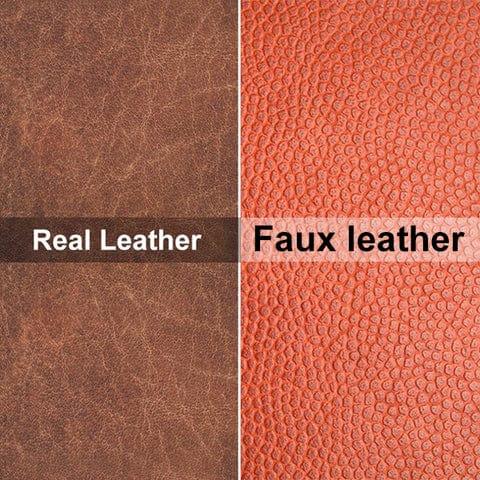
Genuine leather has natural, irregular grain patterns — no two hides are identical. Look for subtle variations in pore size, minor scars, and stretch marks that confirm animal origin.
Table 2: Grain Pattern Identification
| Feature | Genuine Leather | Bonded Leather | PU / Faux Leather |
| Pattern regularity | Irregular, organic | Repeating pattern visible at close range | Perfectly uniform, machine-made |
| Pore visibility | Visible under magnification | Inconsistent, sometimes absent | No real pores, printed texture only |
| Surface variation | Color shifts slightly across the hide | Uniform color | Absolutely uniform |
| Natural markings | Scars, insect bites, wrinkles present | May simulate but look too perfect | None or poorly simulated |
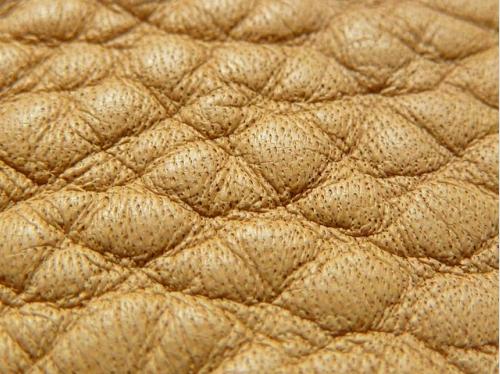
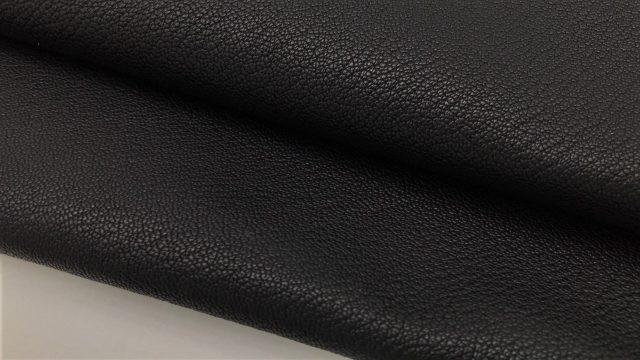
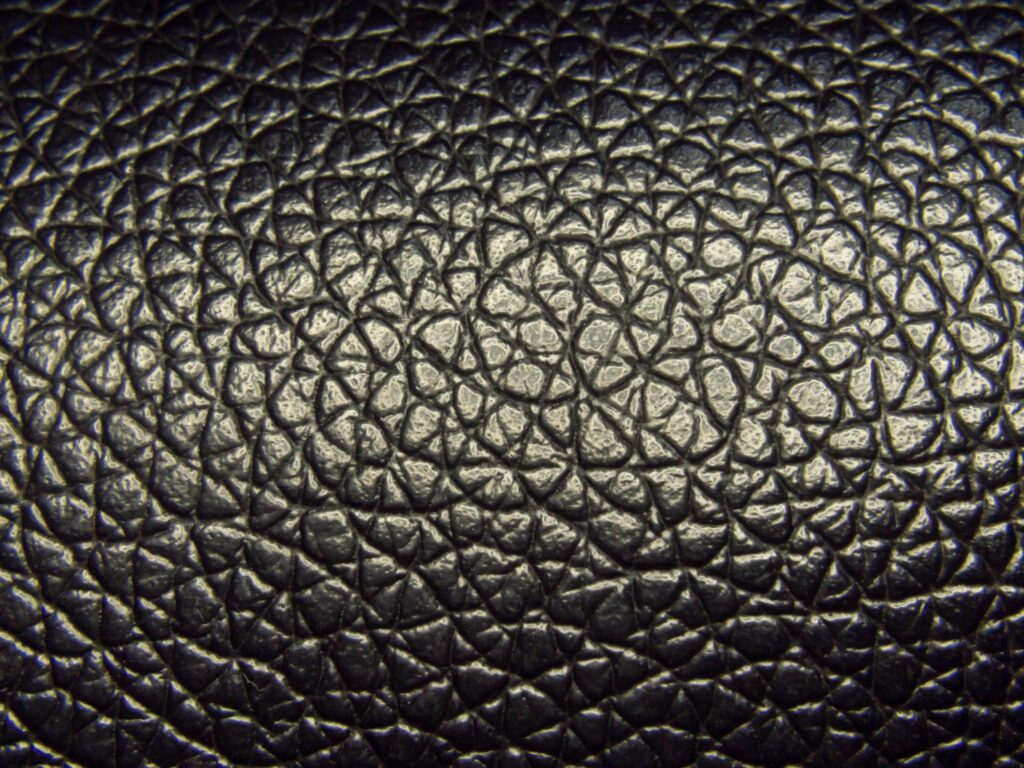
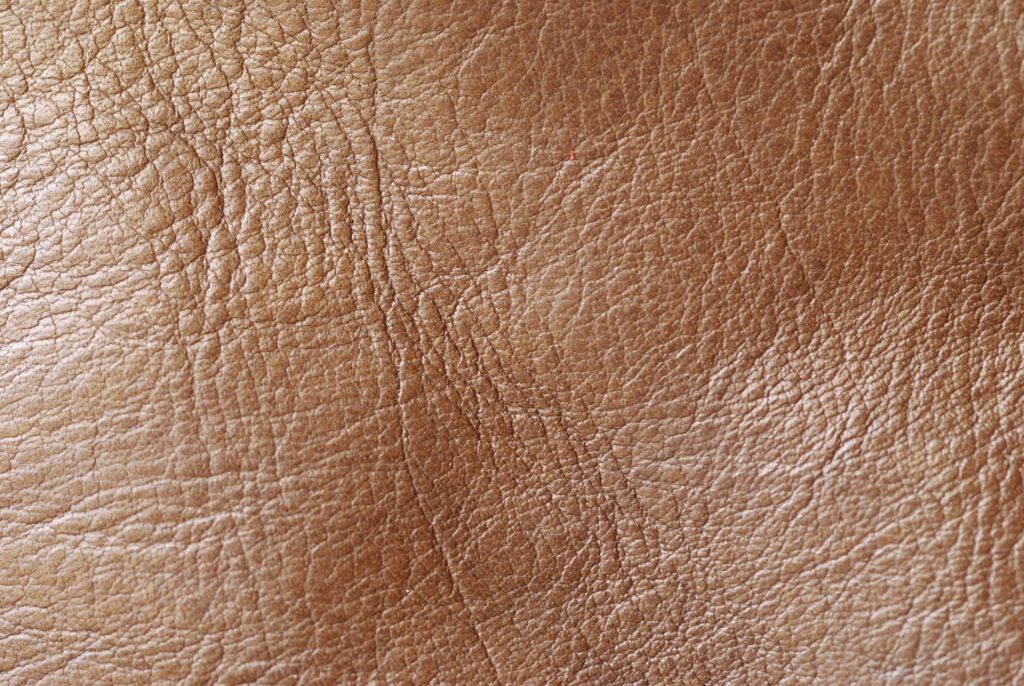
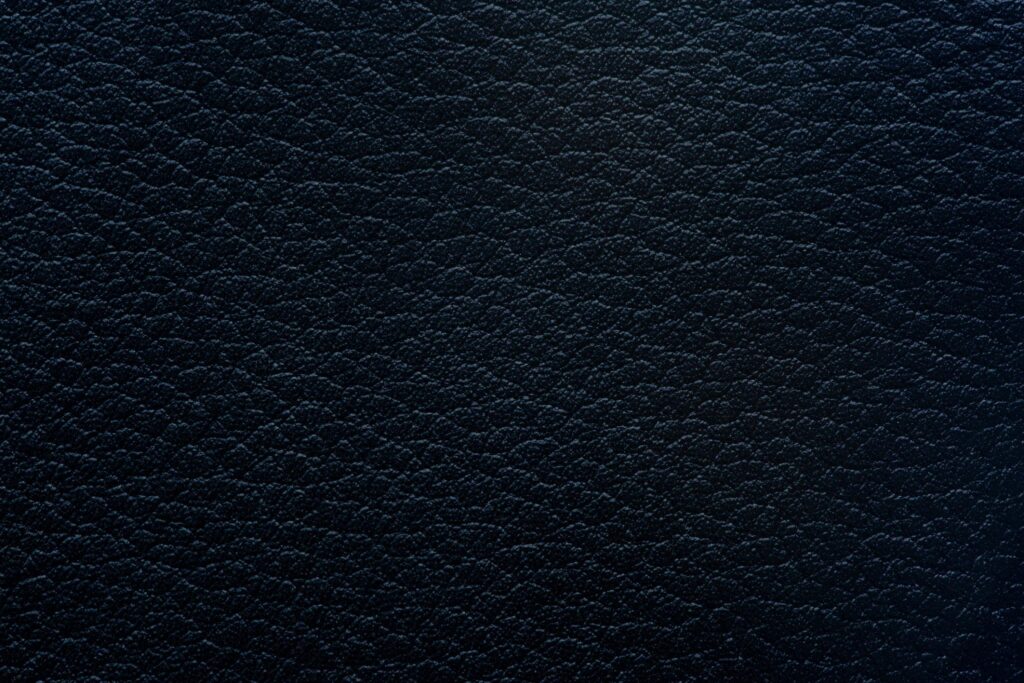
How to inspect: Hold the leather 12 inches from your eyes under natural light. Tilt it slowly — genuine leather shows subtle color variations as light catches the irregular grain surface. Faux leather reflects light uniformly like plastic.
Point 2: Touch & Feel Test
Genuine leather has a distinctive tactile quality that synthetics cannot fully replicate.
Table 3: Touch Test Comparison
| Test Method | Genuine Leather Response | Synthetic Response |
| Finger press test | Wrinkles naturally, springs back slowly | Resists wrinkling, snaps back immediately |
| Temperature feel | Cool to touch initially, warms with body heat | Room temperature, stays neutral |
| Stretch test | Stretches slightly with resistance | Highly elastic or completely rigid |
| Texture variation | Smooth in some areas, slightly rough in others | Consistent texture throughout |
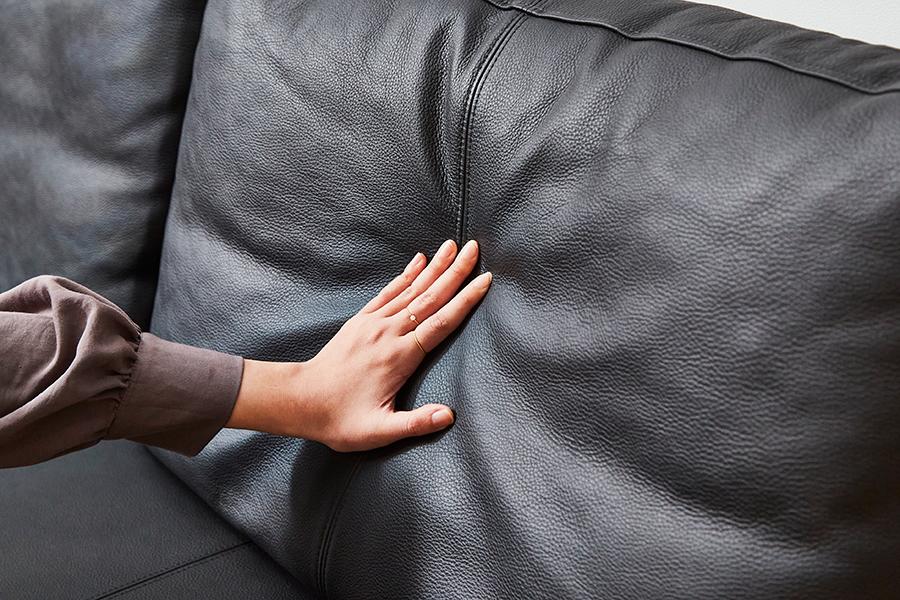
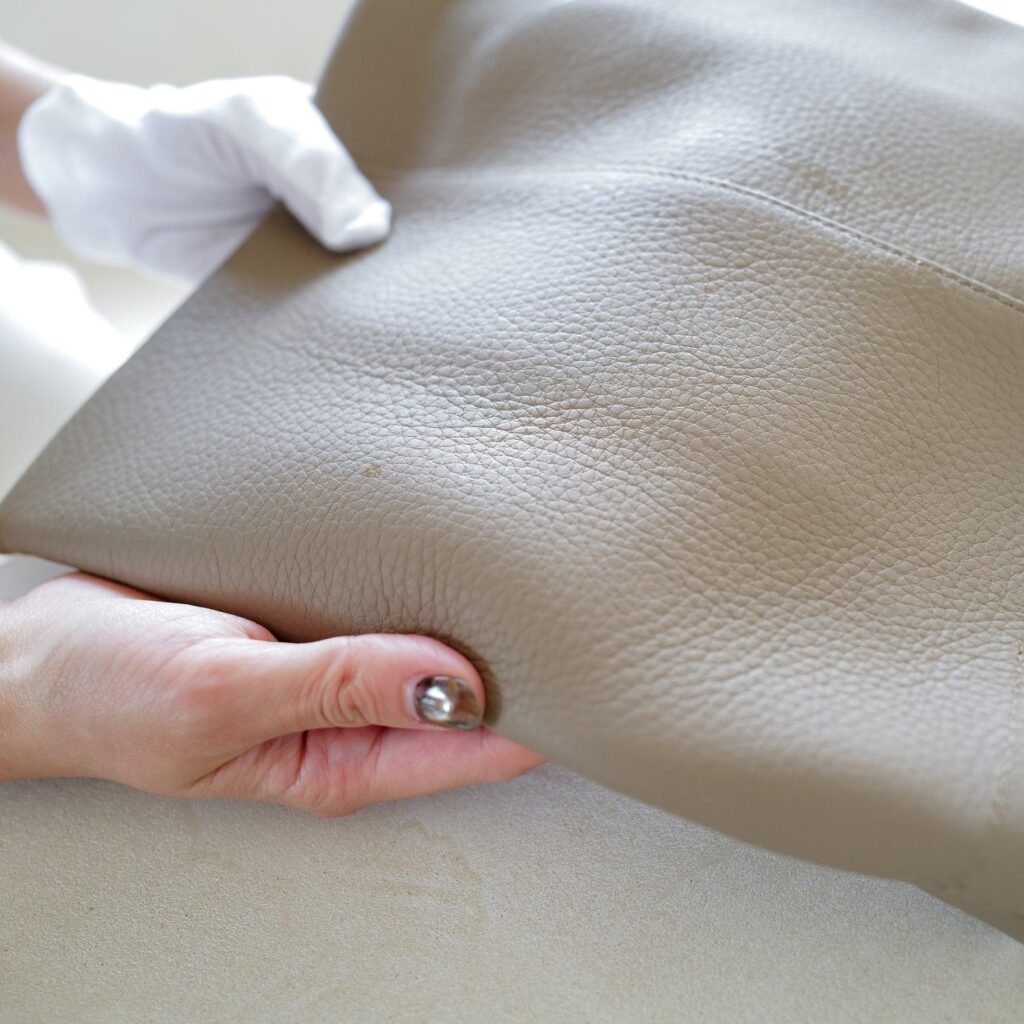
Pro tip: Press your thumb firmly into the leather for 5 seconds. Genuine leather will show a wrinkle pattern that slowly fades. Synthetic leather either shows no wrinkle at all or the wrinkle disappears instantly — like pressing into vinyl.
Point 3: The Smell Test
This is often the quickest and most reliable field test.
Table 4: Odor Identification Guide
| Odor Characteristic | Genuine Leather | Bonded Leather | PU / Faux Leather |
| Primary scent | Natural, earthy, faintly organic (like a new leather jacket) | Weak leather smell mixed with chemical undertone | Distinctly chemical, plastic-like, or no scent |
| After rubbing | Scent intensifies naturally | Slight chemical smell released | Chemical or adhesive smell becomes noticeable |
| Conditioning effect | Develops richer scent over time | Scent fades quickly | Chemical smell may intensify with heat |
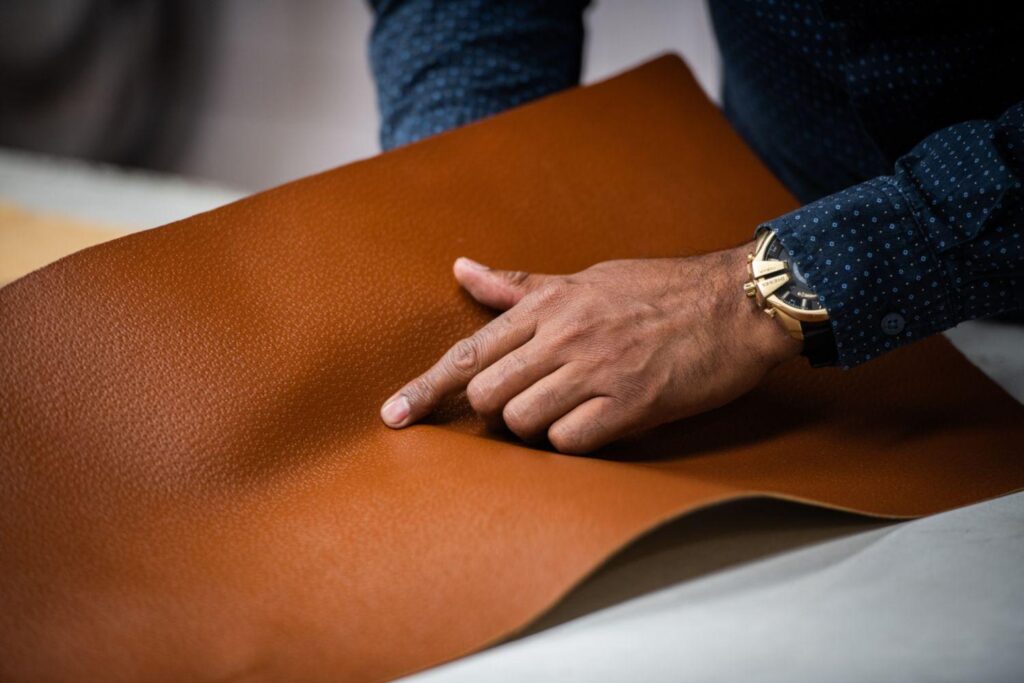
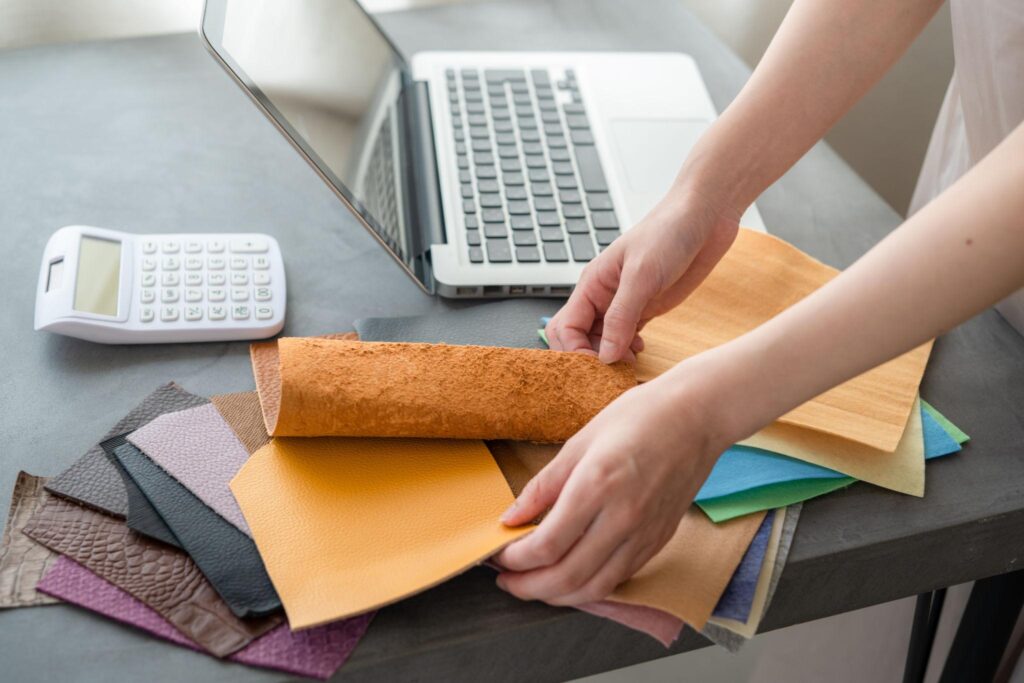
Note: Some manufacturers apply leather-scented treatments to faux leather. If the smell seems too strong or “perfumed,” be suspicious. Genuine leather has a subtle, natural aroma — never overpowering.
Point 4: The Water Absorption Test
This test should only be performed on sample swatches, not on finished furniture, and requires factory or showroom permission.
Table 5: Water Drop Test Results
| Reaction | Indicates | Explanation |
| Water beads and sits on surface | Corrected grain or synthetic | Surface has been sealed or is non-porous |
| Water slowly absorbs, darkens the area | Semi-aniline or top grain | Partially porous, treated surface |
| Water absorbs immediately, area darkens | Full-aniline (unprotected) | Completely natural, most porous |
| Water runs off without any absorption | PU / Faux leather | Non-porous plastic surface |
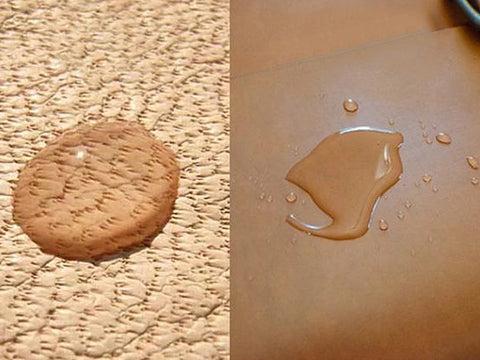
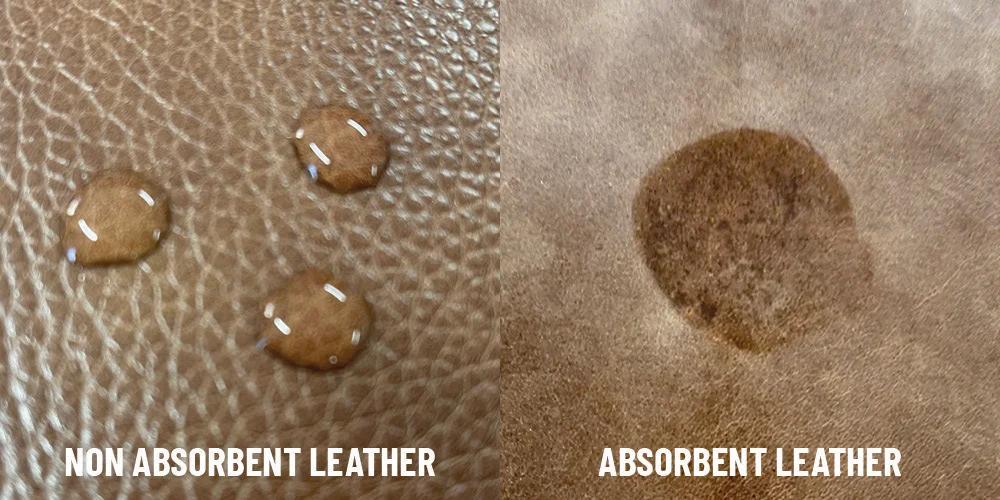
Important: Full-aniline leather is the most luxurious but also the most vulnerable. This test reveals both authenticity and maintenance requirements. A genuine full-aniline piece will need professional protection treatments — a worthwhile investment for villa-grade furniture.
Point 5: Edge & Back Inspection
The reverse side and cut edges of leather reveal its true composition.
Table 6: Edge & Back Analysis
| Inspection Point | Genuine Leather | Bonded Leather | PU / Faux Leather |
| Back surface | Rough, fibrous (suede-like texture) | Fabric or mesh backing visible | Woven fabric or foam backing |
| Cut edge | Fibrous structure visible (like torn paper edge) | Layered or powdery | Clean plastic-like edge, no fibers |
| Thickness consistency | Varies slightly (natural hide) | Very uniform | Perfectly uniform |
| Flexibility at edge | Supple, bends without cracking | Stiff at fold points | Cracks appear when folded sharply |
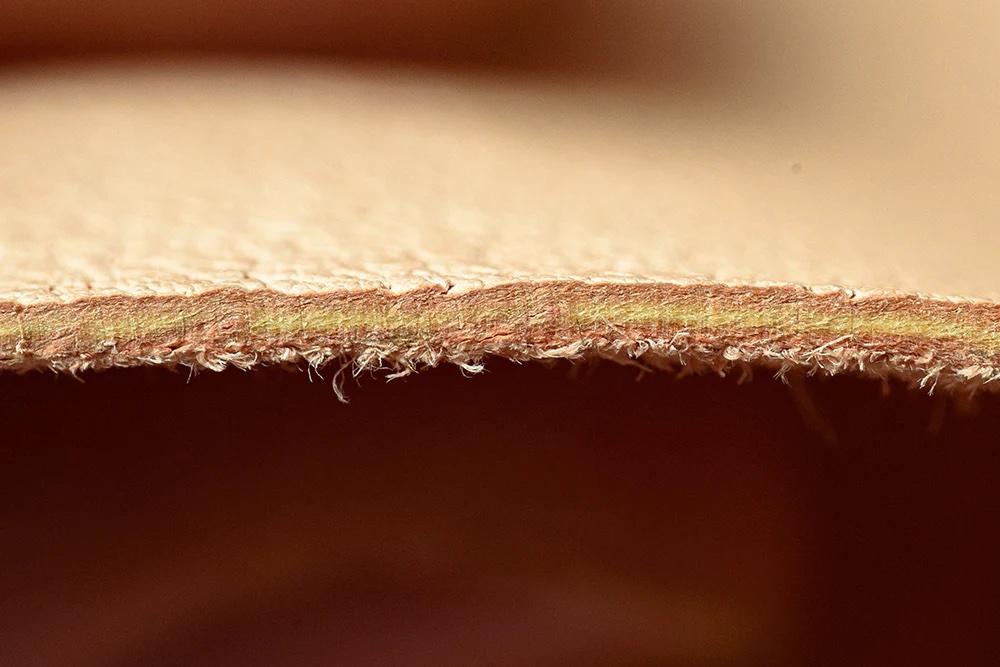
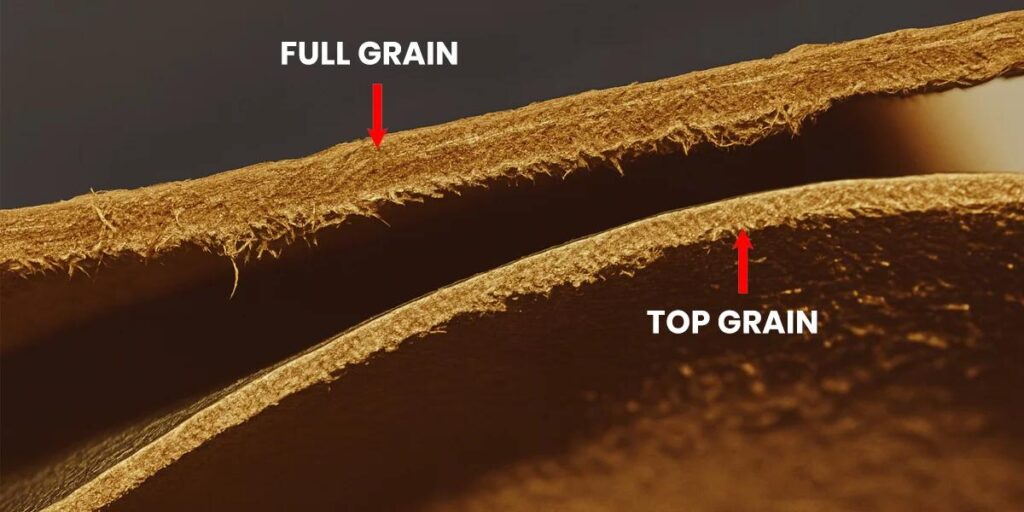
Table 7: Quick-Reference Verification Scorecard
| Check Point | Genuine = 1 Point | Fake Indicator = 0 Points |
| 1. Grain irregularity | Irregular, organic pores | Perfectly uniform texture |
| 2. Touch response | Wrinkles slowly, cools then warms | Snaps back instantly, stays neutral |
| 3. Natural scent | Earthy, organic aroma | Chemical, plastic, or perfume-like |
| 4. Water absorption | Absorbs or partially absorbs | Completely beads or runs off |
| 5. Edge structure | Fibrous, natural | Clean cut, fabric backing |
| Score | 4–5: Genuine | 0–1: Synthetic |
Leather Grades Explained: From Full-Aniline to Bonded
Understanding the leather grading system helps you specify the right material for each application in a villa project.
Full-Aniline Leather: The highest grade. No pigments, no surface corrections. The hide is dyed through with transparent color, preserving every natural mark. Used by brands like Poliform, Minotti, and B&B Italia for statement pieces. At Fenmicasa, we source full-aniline from Italian tanneries and apply it to our signature collection.
Semi-Aniline Leather: A light pigment layer is added for stain protection while retaining much of the natural character. The sweet spot for most villa furniture — beautiful grain visible, yet resistant to wine spills and children’s fingerprints.
Corrected Grain (Top Grain): Surface imperfections are sanded away and a pigment layer applied. The most practical choice for high-traffic villa areas like family rooms and entertainment spaces.
Bonded Leather: Scraps of genuine leather are ground into particles, mixed with polyurethane, and pressed into sheets. Contains only 10–20% actual leather fibers. While it passes some visual tests, it fails the edge and longevity tests every time.
What to Specify in Your Furniture Order
When commissioning custom leather furniture for a villa project, include these specifications in your purchase order:
| Specification | What to Write | Why It Matters |
| Leather grade | “Full-aniline, first-grade European bovine hide” | Prevents substitution with corrected grain |
| Tannery certification | “Tannery must hold ISO 14001 environmental certification” | Ensures sustainable, non-toxic processing |
| Thickness | “Minimum 1.2mm–1.4mm thickness” | Thicker leather = better durability and longevity |
| Color sample | “Approved physical swatch (ref #FC-2026-XX)” | Prevents color discrepancies from screen viewing |
| Seam pattern | “Double-stitched, concealed seams” | Quality construction indicator |
| Grain direction | “Grain pattern must run consistently on all panels” | Professional finish requirement |
Frequently Asked Questions
Q1: Can bonded leather still be suitable for some applications? Bonded leather is acceptable for decorative items like headboards, accent pillows, or low-traffic guest room furniture. However, for primary seating, dining chairs, and statement pieces in a luxury villa, always specify at minimum corrected grain.
Q2: How does full-aniline leather age compared to semi-aniline? Full-aniline develops a rich, golden-brown patina that is highly prized by collectors — think of a well-worn leather bomber jacket. Semi-aniline ages more subtly, maintaining closer to its original color. Both improve with age, unlike synthetics which degrade.
Q3: What is the best way to maintain genuine leather furniture? Use a pH-balanced leather conditioner every 6 months. Avoid direct sunlight for prolonged periods. Clean spills immediately with a damp cloth — never use harsh detergents. Full-aniline pieces benefit from an annual professional treatment.
Q4: Can I request COM (Customer’s Own Material) with leather? Yes. Fenmicasa offers COM services where designers can supply their own leather hides from their preferred tannery. We require a minimum of 15% excess material allowance for pattern matching and provide a dedicated QC inspection before cutting.
Q5: How do I verify leather quality when ordering remotely from China? Request a physical sample swatch before production (Fenmicasa provides complimentary sample kits). Perform the 5-point test on the swatch. Additionally, ask for a video call factory inspection showing the leather rolls, tannery certificates, and the production line cutting process.
At Fenmicasa, every leather piece passes our 4-step quality control process — from tannery certificate verification to final piece inspection. Request your complimentary leather sample kit at fenmicasa.com.