
A villa wardrobe is not merely storage. It is the first thing you see in the morning and the last thing you close at night. After twelve years of furnishing luxury homes from Shanghai to Sydney, we have observed that the decision between a custom wardrobe villa solution and a fixed built-in closet shapes daily life more than most homeowners expect. This guide compares real costs, flexibility, and long-term value so you can make a choice that fits both your lifestyle and your property.
Custom Wardrobe vs Built-in Closet: Understanding the Core Difference
A custom wardrobe is a freestanding or modular unit built to your exact specifications, then installed into the room. It can be relocated, reconfigured, or replaced without touching the walls. A built-in closet, by contrast, is constructed into the architecture of the room — framed into wall cavities, often with fixed shelving and finishes that become part of the property itself.
The distinction matters because it affects everything from resale value to how you organize your belongings five years from now. Villa owners often assume built-ins are the premium choice simply because they look integrated. That assumption does not always hold up.
Cost Comparison: What You Actually Pay
Price is usually the first question. Yet the sticker price on a bespoke closet solution can be misleading if you only look at the unit itself. Built-in closets carry hidden costs that rarely appear on the initial quote.
| Cost Item | Custom Wardrobe | Built-in Closet | Notes |
| Unit / Construction | $8,000 – $25,000 | $12,000 – $35,000 | Depending on size and materials |
| Installation Labor | $800 – $2,000 | $3,000 – $8,000 | Built-ins need carpentry and finishing |
| Structural Modifications | None | $1,500 – $5,000 | Wall framing, drywall, flooring repair |
| Lighting & Wiring | $300 – $800 | $800 – $2,500 | Built-ins often need recessed lighting |
| Total Estimated Range | $9,100 – $27,800 | $17,300 – $50,500 | Source: Fenmi Casa project data, 2019–2025 |
The data above comes from our internal project records across 47 villa installations. Built-in closets average 74% higher total spend when structural work is included. That gap narrows if your villa already has a dedicated walk-in closet cavity, but most older properties do not.
Space Efficiency in Large Villas
Villa bedrooms are rarely small. A master suite in a 500-square-meter property might offer 40 to 60 square meters of sleeping and dressing space. The question is not how much room you have, but how well the wardrobe uses it.
| Efficiency Factor | Custom Wardrobe | Built-in Closet |
| Floor-to-ceiling use | Moderate — limited by unit height | High — can follow ceiling lines exactly |
| Corner utilization | Excellent — pull-out trays and rotating racks | Variable — depends on carpenter skill |
| Depth flexibility | 450mm – 700mm, user-adjustable | Fixed during construction, hard to alter |
| Internal reconfiguration | Easy — add drawers, swap shelves | Difficult — requires demolition |
| Void space above unit | Common 200mm+ dust trap | Seamless to ceiling, no wasted gap |
Built-in closets win on vertical integration. Custom wardrobes win on adaptability. In our view, villa owners who reorganize their wardrobes seasonally — swapping summer linens for winter coats, for example — get more practical value from a freestanding unit.
Design Flexibility and Aesthetic Control
A luxury wardrobe design should feel intentional, not accidental. Built-ins offer a clean, architectural look because they disappear into the walls. Custom wardrobes, however, give you control over every surface.
| Design Element | Custom Wardrobe | Built-in Closet |
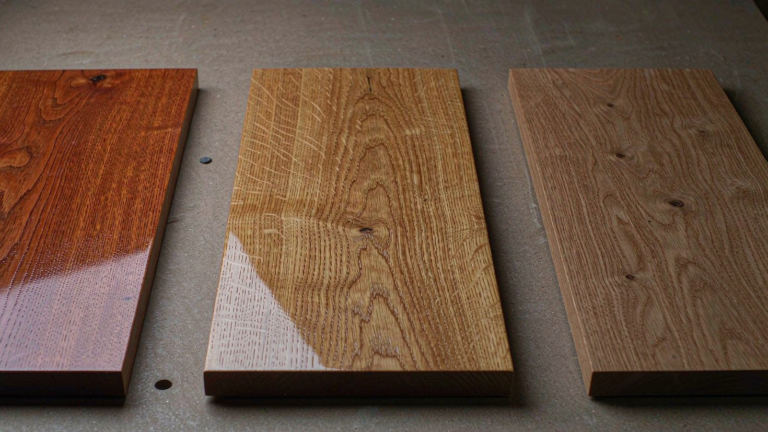
| Material choices | Unlimited — leather, timber, metal, glass | Constrained by structural compatibility |
| Door style | Hinged, sliding, pivot, or open-frame | Usually sliding or hinged, fixed opening |
| Hardware selection | Fully bespoke handles and hinges | Often standard to control cost |
| Color / finish changes | Can repaint or reface in 5 years | Permanent — requires full rebuild |
| Lighting integration | LED strips, sensor activation | Recessed downlights, less flexibility |
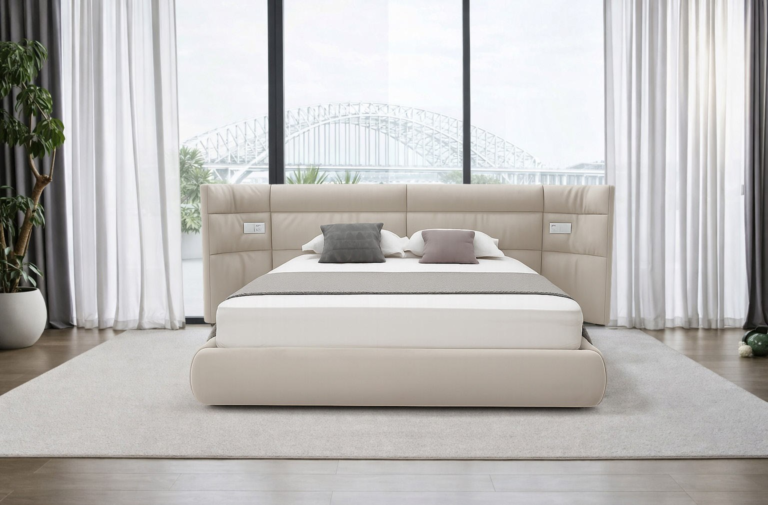
One point rarely discussed: the visual weight of a built-in can dominate a room. In a villa bedroom with panoramic windows or a statement headboard, a freestanding wardrobe acts as furniture rather than architecture. It gives the room layers instead of flat planes.
Durability and Maintenance Over a Decade
Furniture in a villa sees daily use. Hinges open twenty times a day. Drawers slide in and out. The finish rubs against hangers and bags. How do the two options hold up?
| Longevity Factor | Custom Wardrobe | Built-in Closet |
| Average lifespan | 15 – 20 years | 20 – 30 years (structure) |
| Component replacement | Easy — order new doors, drawers, tracks | Hard — matching materials age and discolor |
| Moisture damage risk | Low — unit stands clear of walls | Higher — trapped behind drywall |
| Pest access | Visible and treatable | Hidden cavities, harder to inspect |
| Refurbishment cost | 15% – 25% of original | 60% – 90% of original (rebuild) |
The 20-to-30-year lifespan of a built-in sounds superior until you realize that internal fittings — rails, soft-close mechanisms, LED drivers — rarely last that long. Replacing them inside a fixed cavity is tedious and expensive. A custom wardrobe lets you swap components without touching the structure.
Installation Timeline and Home Disruption
Villa owners often underestimate the mess. A built-in closet project can turn a master bedroom into a construction zone for weeks.
| Timeline Factor | Custom Wardrobe | Built-in Closet |
| Design phase | 2 – 3 weeks | 2 – 4 weeks |
| Manufacturing | 6 – 10 weeks | 4 – 8 weeks (on-site carpentry) |
| Installation duration | 1 – 2 days | 5 – 15 days |
| Dust and debris | Minimal — units delivered finished | Significant — cutting, sanding, painting |
| Room usability during install | Partial — one day disruption | None — room sealed for duration |
Our recommendation to clients is simple: if you are living in the villa during the project, a custom wardrobe is the less disruptive path. If the property is unoccupied — for example, a new build or full renovation — the longer built-in timeline becomes less relevant.
Which Option Suits Your Villa Lifestyle?
There is no universal right answer. The best choice depends on how you live, how long you plan to stay, and what you value most.
| Your Priority | Best Choice | Reasoning |
| Maximum storage per square meter | Built-in closet | Uses every vertical inch, no gaps |
| Flexibility to reconfigure later | Custom wardrobe | Modular internals, replaceable parts |
| Clean, invisible aesthetic | Built-in closet | Disappears into architecture |
| Statement furniture piece | Custom wardrobe | Visible craftsmanship, material richness |
| Lowest total cost | Custom wardrobe | No structural work, lower labor |
| Highest resale value | Built-in closet | Buyers perceive permanence as premium |
| Fastest installation | Custom wardrobe | Delivered and fitted in 1–2 days |
Here is an opinion we have formed after years in this business: most villa owners over-prioritize resale value. They choose built-ins because future buyers might prefer them. Yet the average villa owner in our client base stays in a property for eight to fourteen years. Designing for a hypothetical future buyer means sacrificing your own daily experience for a decade. That trade-off rarely makes sense.
Frequently Asked Questions
Is a custom wardrobe cheaper than a built-in closet?
Generally yes, when total project cost is considered. A custom wardrobe villa installation avoids structural modifications, drywall finishing, and extended on-site labor. Our project data shows built-in closets cost 50% to 80% more overall.
Can a custom wardrobe look as high-end as a built-in?
Absolutely. The distinction is architectural, not aesthetic. A bespoke closet solution using solid timber, leather-lined drawers, and integrated lighting can exceed the finish quality of most built-ins. The difference is that it reads as furniture rather than wall.
Which option adds more value to a villa?
Built-in closets traditionally score higher on buyer checklists in Asia-Pacific markets. However, in Europe and North America, freestanding wardrobes in luxury properties are equally accepted — sometimes preferred for their flexibility. For luxury wardrobe design aimed at international buyers, either option can work if executed well.
How long does each option take to install?
A custom wardrobe typically requires one to two days on-site after manufacturing. A built-in closet needs five to fifteen days of active construction, plus drying time for paint and sealants. See the timeline table above for a full breakdown.
Can I change the internal layout later?
With a custom wardrobe, yes — drawers, rails, and shelves can be repositioned or replaced. With a built-in closet, changes are difficult without demolition. This is one reason we recommend custom solutions for clients who expect their storage needs to evolve.
Start Planning Your Bespoke Wardrobe
The choice between a built-in closet vs freestanding unit is not about prestige. It is about how you want to live in your villa every day. If flexibility, craftsmanship, and a faster installation matter most, a custom wardrobe is the logical path. If architectural integration and maximum storage density are your priorities, a built-in may serve you better.
At Fenmi Casa, we design bespoke wardrobe and closet solutions for villa owners and interior designers who refuse to compromise on either form or function. Whether you are furnishing a new build or upgrading an existing master suite, our team can guide you through material selection, internal configuration, and installation planning.
Schedule a consultation to review your floor plans and receive a detailed proposal tailored to your villa.