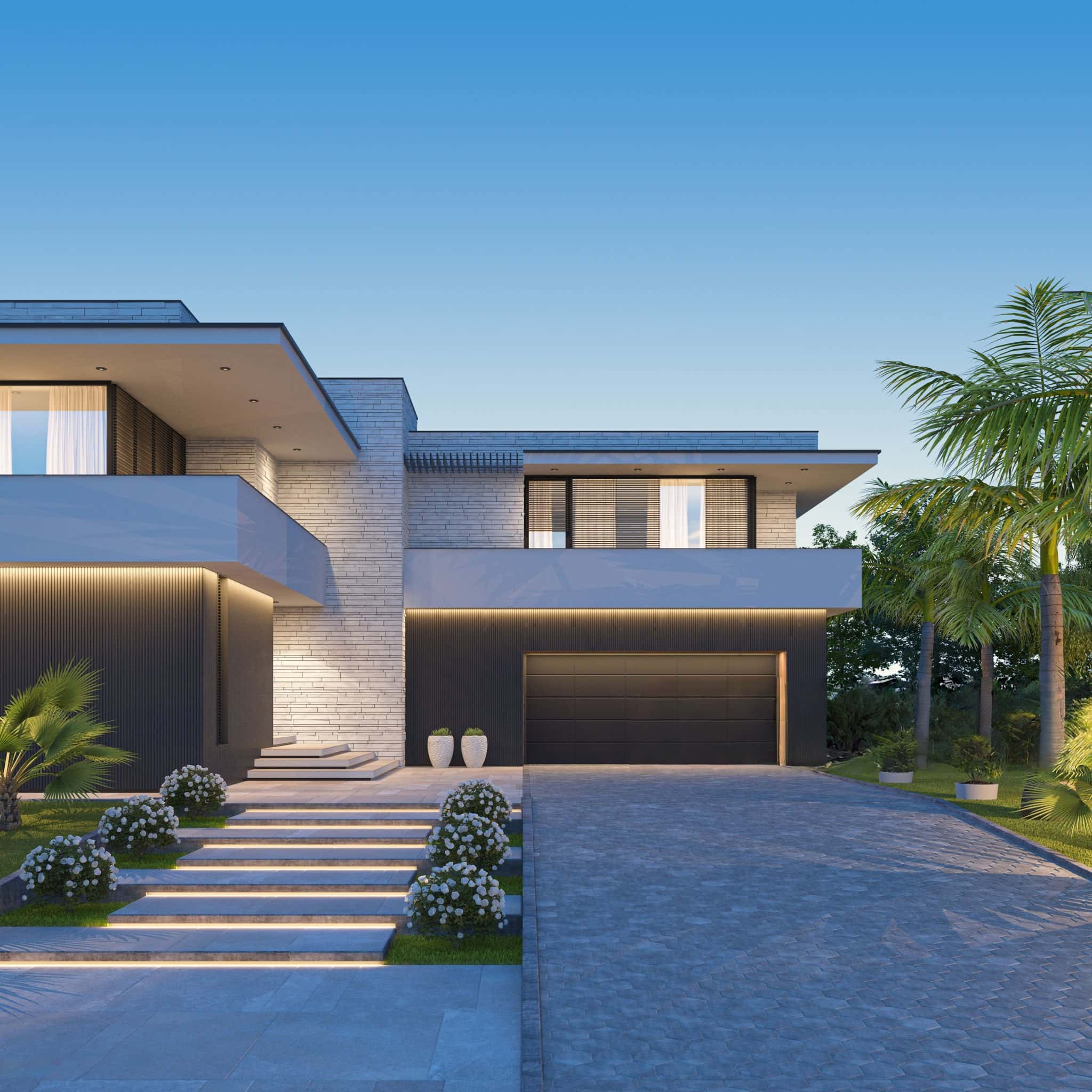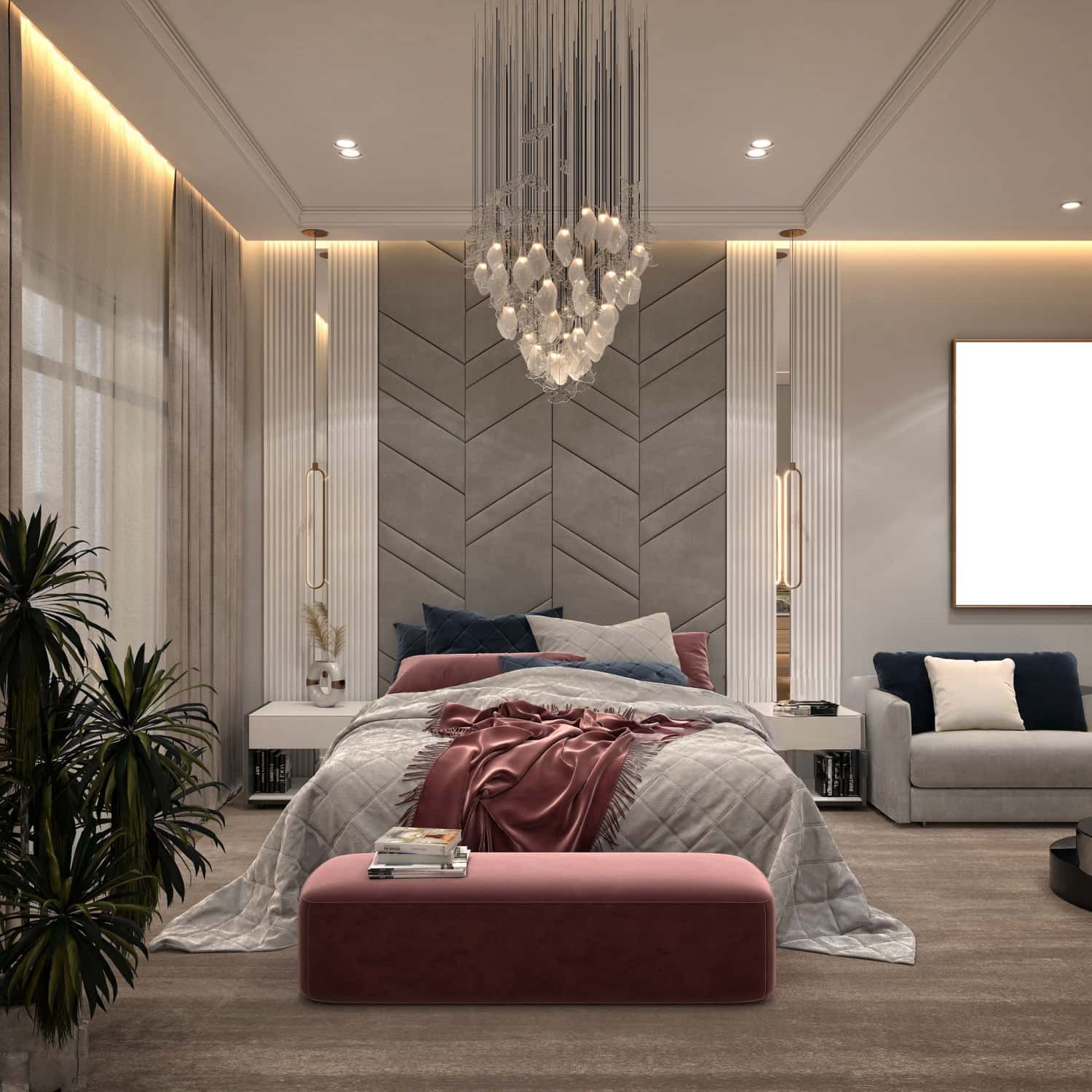

Custom villa furniture lifespan is rarely a single number. In our experience producing full-home packages for properties above 400 sqm, most well-made pieces last 15 to 30 years when the materials, build quality, and daily care are matched to the environment. That range is wide because a silk-upholstered accent chair in a formal living room ages differently from a kitchen island stool used three times a day.
For this guide, I treat lifespan as the point at which a piece no longer performs its intended function without repair that costs more than half of replacement. This definition comes from FIRA durability testing methodology, which measures performance decline rather than cosmetic aging. If you are budgeting a villa renovation or ordering bespoke furniture for a new project, these benchmarks will help you set realistic expectations.
Clients often ask whether a high-end sofa should last a lifetime. The honest answer is no. Even the best upholstery is a wear layer that will eventually fatigue, and finishes are exposed to light, air, and oils from hands. The real value of custom work is that the bones of the piece can be refreshed, reupholstered, or refinished rather than replaced. That cycle is what pushes the useful life across decades.
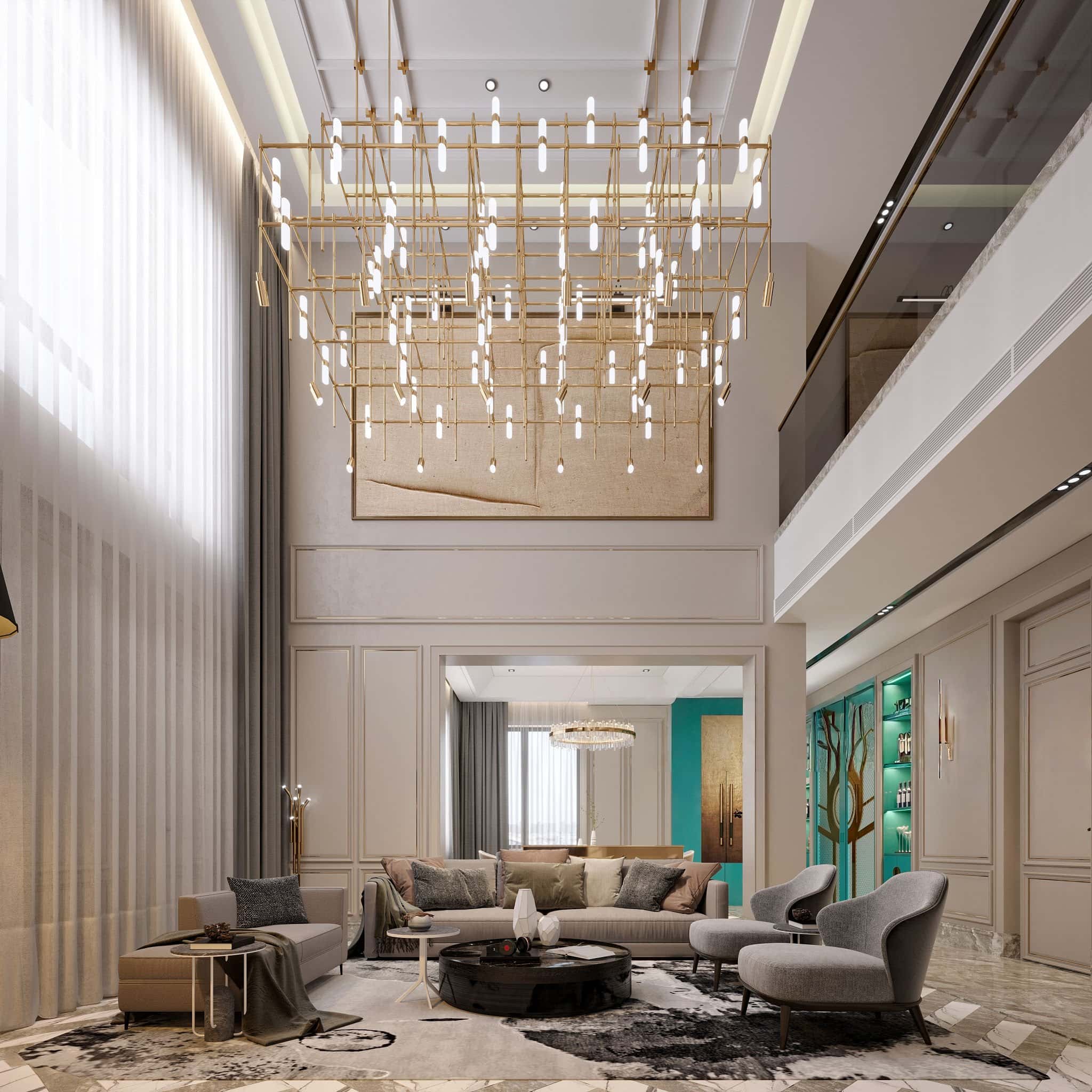
| Custom villa furniture lifespan in a high-end living room |
Custom villa furniture lifespan in a high-end living room
What “Lifespan” Really Means for Custom Villa Furniture
A 30-year-old sofa can still look magnificent. It can also have sagging springs, compressed foam, and fabric fatigue that make it uncomfortable. Lifespan therefore depends on the performance standard you choose.
We divide it into three tiers:
- Functional lifespan: frames, joints, and mechanisms operate correctly.
- Aesthetic lifespan: surfaces, finishes, and upholstery look acceptable.
- Emotional lifespan: you still want the piece in your home.
For villa owners, the gap between functional and aesthetic lifespan is where most disputes live. A dining table may remain structurally sound for 40 years while its lacquer shows wear after 8. Understanding this gap before you order prevents disappointment and helps you allocate budget toward items that matter most.
Resale value follows a similar curve. A piece with strong joinery and a timeless silhouette can be refinished or reupholstered and retain value. A trend-driven piece with weak construction usually becomes unwanted long before it physically fails.
Custom Furniture Lifespan Benchmarks by Material and Build
Material choice accounts for roughly half of the total lifespan difference we observe in the field. The table below uses data from FIRA, BIFMA X5.1 seating tests, and our own after-sales records.
Material-by-Material Lifespan Table
| Material | Typical Functional Lifespan | Aesthetic Lifespan | Best Use Case |
| Solid hardwood frame with 8-way hand-tied springs | 25–40 years | 15–25 years | Sofas, armchairs, beds |
| Plywood frame with webbing | 10–15 years | 5–10 years | Occasional chairs, guest beds |
| Engineered wood with veneer | 15–25 years | 10–15 years | Cabinets, sideboards, wardrobes |
| Solid marble / sintered stone tops | 30–50+ years | 20–30 years | Dining tables, console tables |
| Full-grain aniline leather | 15–25 years | 10–20 years | Sofas, ottomans |
| Bonded / PU leather | 3–7 years | 2–5 years | Budget or short-term staging |
| Outdoor teak | 25–40 years | 15–25 years | Poolside, terraces |
| Powder-coated aluminum | 20–30 years | 10–20 years | Outdoor dining sets |
These figures assume normal residential use in a climate-controlled environment. Outdoor pieces in coastal or high-UV zones drop by roughly 30 percent unless protected. Source: FIRA furniture durability white paper; BIFMA X5.1-2024 seating test standards.
Construction Details That Add or Subtract Years
Beyond materials, joinery and finishing determine whether a piece reaches the top or bottom of its range. In our workshop, we have seen identical wood species age 10 years apart depending on how they were assembled.
| Detail | Long-Life Build | Short-Life Build | Impact |
| Frame joints | Mortise-and-tenon with corner blocks | Stapled or glued butt joints | +10 to +15 years |
| Seat suspension | 8-way hand-tied springs | Sinuous wire or webbing | +5 to +10 years |
| Cushion cores | High-resilience foam with down wrap | Low-density polyfoam | +3 to +5 years |
| Finish application | 7+ coats of catalyzed lacquer | 2–3 coats of nitrocellulose | +5 to +8 years |
| Upholstery attachment | Removable covers with zippers | Fixed, glued covers | Easier cleaning; +2 to +3 years |
| Drawer construction | Dovetail sides, hardwood runners | Stapled MDF, plastic glides | +10 to +15 years |
When we specify a villa project, we request long-life construction for primary-use rooms and accept lighter construction for guest suites or display pieces. This saves budget without creating weak points where the family actually lives. For storage pieces, our wardrobe build comparison explains how frame choice affects longevity.
Climate, Use, and Maintenance: The Variables You Control
The remaining lifespan difference comes from behavior. Direct sunlight, humidity swings, and cleaning habits change outcomes dramatically. In my view, most buyers overestimate material lifespans and underestimate the impact of daily habits.
Environmental and Usage Impact
| Factor | Ideal Condition | Risk Condition | Lifespan Effect |
| Relative humidity | 45–55% year-round | Below 30% or above 70% | Wood joints crack; veneers lift |
| Sunlight exposure | Indirect or UV-filtered | Direct south-facing windows | Fabrics fade; finishes darken unevenly |
| Cleaning frequency | Weekly dusting; annual pro clean | Harsh chemicals or neglect | Leather dries; textiles stain |
| Usage intensity | Occasional formal use | Daily family use | Springs and foam compress faster |
| Pets and children | Supervised access | Unrestricted climbing/scratching | Upholstery wear accelerates |
A 2023 study by the University of Michigan School for Environment and Sustainability found that indoor relative humidity outside the 40–60% range doubles the rate of wood furniture movement. That movement is what opens joints and cracks finishes. Source: University of Michigan SEAS, “Indoor Humidity and Wood Product Stability,” 2023.
Luxury Furniture Maintenance Calendar
Maintenance does not need to be complicated. It does need to be regular. The schedule below is what we recommend to clients after handover.
| Frequency | Action | Purpose |
| Weekly | Dust with microfiber; rotate cushions | Prevents abrasive particle buildup; evens wear |
| Monthly | Vacuum upholstery using low suction; check leg tightness | Removes grit; catches loose joints early |
| Quarterly | Condition leather; polish wood with manufacturer-approved product | Prevents drying and surface dulling |
| Every 6 months | Inspect outdoor pieces for rust, mildew, loose fasteners | Catches small issues before they spread |
| Annually | Professional deep clean for upholstered items; re-tighten hardware | Extends aesthetic lifespan significantly |
| Every 2–3 years | Reapply protective finish to high-wear wood surfaces | Restores moisture barrier |
We typically recommend that villa owners build a relationship with one upholstery cleaning firm and one wood refinisher before move-in day. Emergency calls to unfamiliar providers often lead to aggressive cleaning methods that do more harm than good. A pre-vetted professional will know the exact finish on your pieces and adjust products accordingly.
For pieces bought through our villa bedroom furniture program, we provide a room-by-room care checklist at handover. This small step usually adds 3 to 5 years to the aesthetic lifespan of upholstered goods.
High-End Furniture Care by Room
Usage intensity varies by room, which changes how long you should expect pieces to last.
| Room | Typical Functional Lifespan | Notes |
| Master bedroom | 20–30 years | Lower wear; climate control usually stable |
| Guest bedroom | 25–35 years | Infrequent use extends life |
| Formal living room | 20–25 years | Light use but UV and dust exposure |
| Family room / media room | 12–18 years | Heavy daily use, snack spills, pets |
| Dining room | 20–30 years | Tables last long; chairs need reupholstery sooner |
| Kitchen / breakfast area | 10–15 years | Heat, moisture, and frequent cleaning |
| Outdoor terrace | 10–20 years | Depends on cover and material choice |
When Repair Makes Sense vs. When to Replace
Eventually every piece reaches a decision point. The rule we use with clients is simple: repair when the frame and core materials are sound; replace when the cost of repair exceeds 50 percent of a comparable new piece and the style no longer fits.
| Situation | Repair | Replace |
| Sagging seat on solid hardwood sofa | Reupholster and replace foam | – |
| Surface scratches on solid wood table | Refinish locally | – |
| Cracked marble top | Professional repair possible | If crack affects structure |
| Wobbly chair with glued joints | Re-glue and clamp | – |
| Outdated style but sound frame | Reupholster in new fabric | – |
| Broken particleboard frame | – | Usually not worth repair |
| Worn bonded leather | – | Replace; does not reupholster well |
Warranty coverage also affects this decision. Most custom manufacturers offer a 5- to 10-year structural warranty on frames and springs, but wear items such as foam and fabric are rarely covered beyond the first year. Always read the warranty terms before authorizing repair work, since third-party modifications can void remaining coverage.
A well-made custom piece is almost always worth reupholstering once. After the second reupholstery, frame fatigue usually makes replacement the smarter choice. Solid hardwood frames, quality suspension, and durable finishes are the foundations of bespoke furniture durability that justifies repair.
Frequently Asked Questions
How long does custom villa furniture last?
Most quality custom villa furniture lasts 15 to 30 years under normal residential use. Heavy-use items may fall toward the lower end, while display pieces in controlled climates can exceed 30 years.
What is the longest-lasting material for villa furniture?
Solid hardwood frames and natural stone tops generally offer the longest functional lifespans, often 30 to 50 years or more. Upholstery and finishes will still need periodic refresh.
Does custom furniture last longer than mass-produced furniture?
It can, but only if the construction details justify it. A custom piece built with mortise-and-tenon joinery and high-resilience foam will outlast most mass-market stapled frames. The “custom” label alone guarantees nothing.
How should I handle luxury furniture maintenance?
Dust weekly, vacuum upholstery monthly, condition leather quarterly, and schedule a professional clean annually. Keep humidity between 45% and 55% and avoid direct sunlight.
Is reupholstering custom furniture worth it?
Yes, if the frame is solid hardwood and the style still fits your space. Reupholstery typically costs 30% to 50% of replacement and can add 10 to 15 years of service life.
Ready to Choose Furniture Built to Last?
If you are planning a villa project and want bespoke furniture durability matched to your climate and lifestyle, book a consultation with our team. We will walk you through material selections, construction specs, and a care plan designed for your specific rooms.