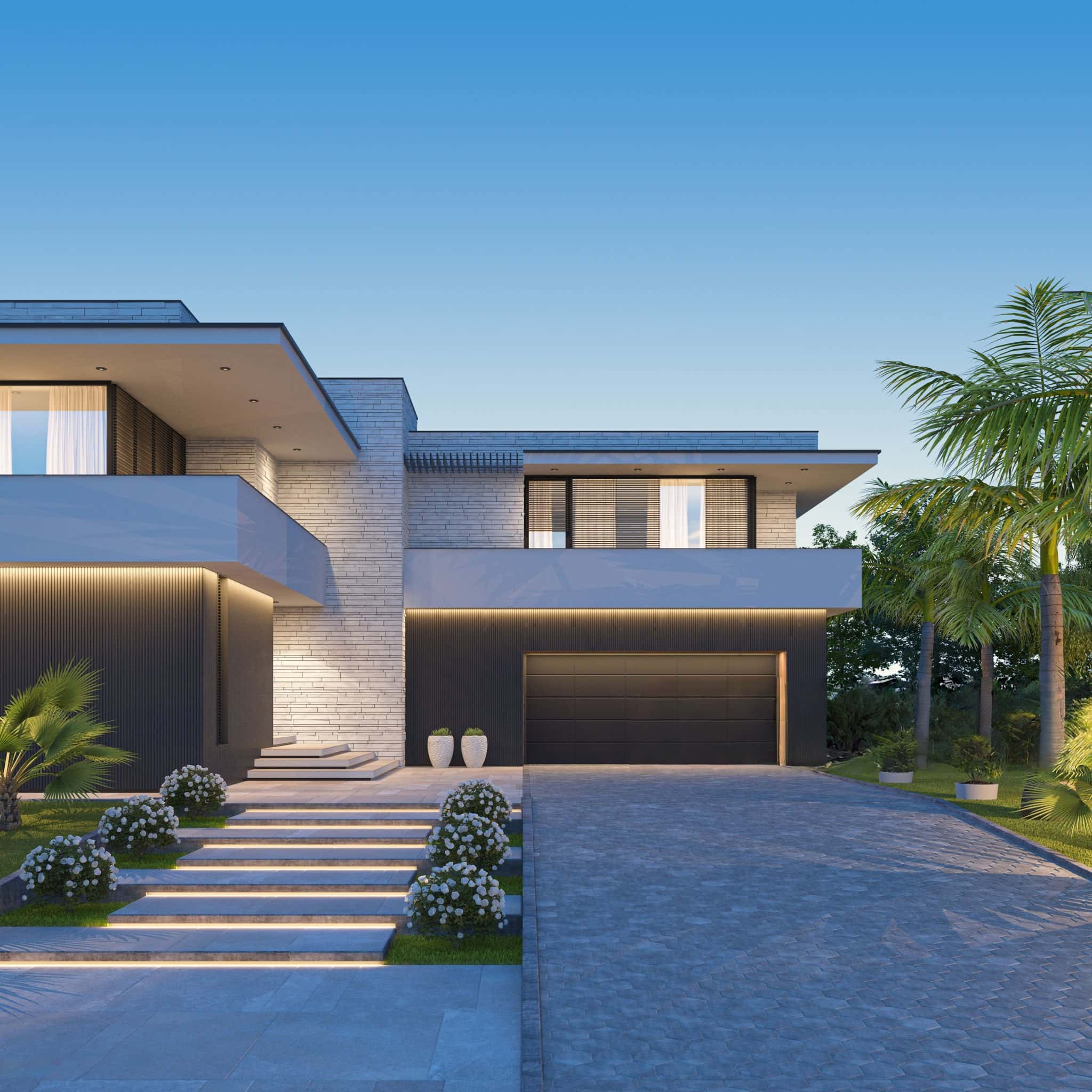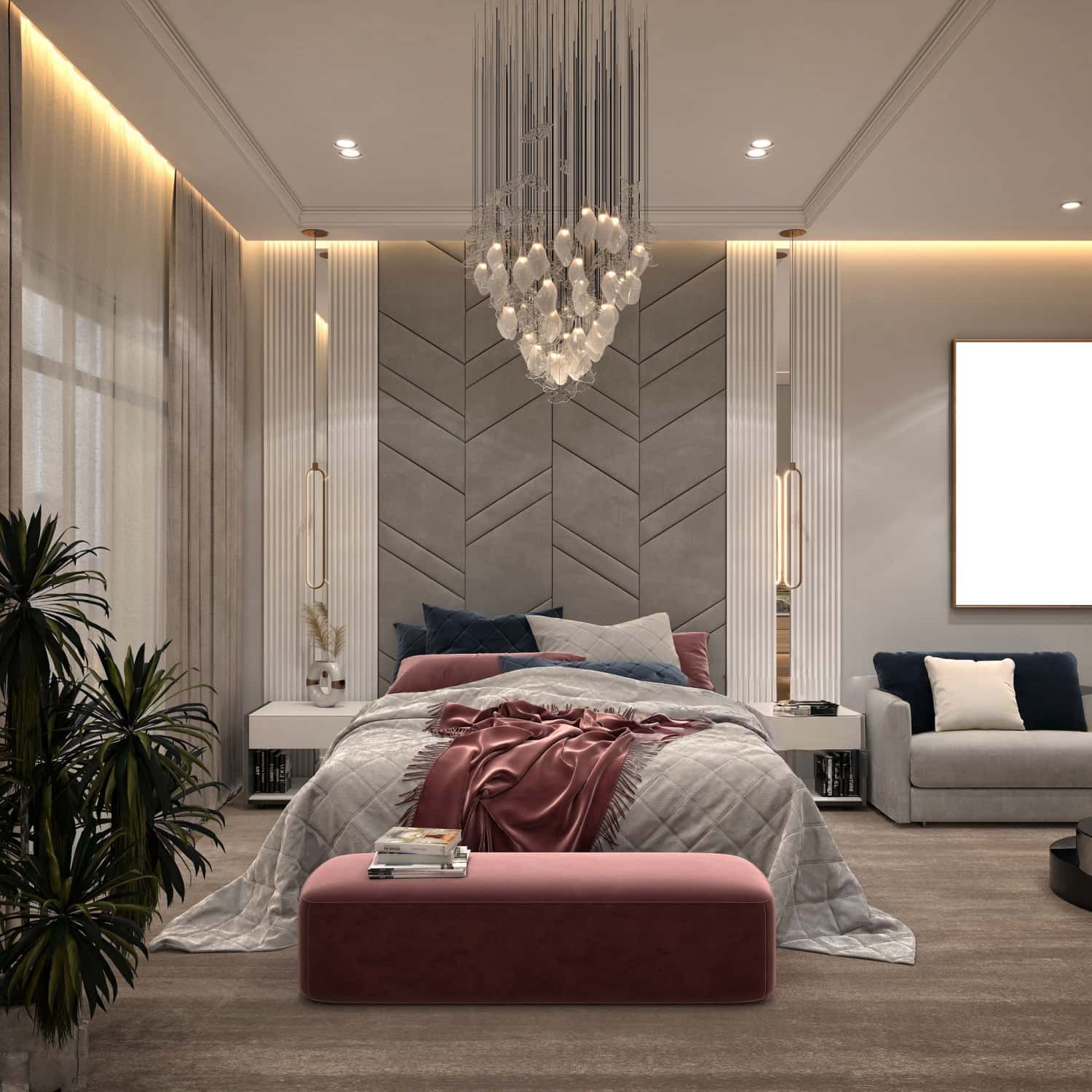

Walk into any well-designed villa and the entryway tells you everything before you see the rest of the house. It sets the tone, controls the transition from outside to inside, and — practically speaking — handles the daily chaos of shoes, bags, keys, and weather.
Most villa entryways fail at one of two things: they look beautiful but can’t handle real life, or they function well but feel like a mudroom. After designing entryway furniture for 50+ villa projects across the Middle East, Southeast Asia, and North America, here’s what actually works.
Why the Entryway Matters More Than You Think
The entryway is the highest-traffic, highest-wear zone in any home. It processes every entry and exit, absorbs weather exposure from open doors, and serves as the visual anchor for guests’ first impression.
Table 1: Entryway Zone Traffic and Wear Analysis (Per Occupant, Daily)
| Zone Function | Daily Touch Points | Wear Level | Moisture Exposure | Typical Furniture Lifespan |
| Seating (putting on shoes) | 4-8 per person | High (friction, weight) | Moderate (wet clothing) | 8-12 years |
| Console/surface (keys, mail) | 6-12 per person | Medium (scratches, spills) | Low | 15-25 years |
| Storage (shoes, bags, coats) | 3-6 per person | High (abrasion, weight) | Moderate (wet shoes) | 10-15 years |
| Mirror (exit check) | 3-5 per person | Low | Low | 20+ years |
| Decorative accent (vase, art) | 0-1 per person | Minimal | None | 25+ years |
| Rug/mat system | 8-15 per person | Extreme (dirt, water, friction) | High | 3-5 years |
An entryway used by a family of five sees roughly 100-150 furniture interactions per day. Over 10 years, that’s 365,000-547,500 touch points. This is why material selection for entryway furniture isn’t about aesthetics first — it’s about wear performance first, aesthetics second.
The Five Essential Entryway Furniture Pieces
A well-functioning villa entryway needs five elements. Not all five require custom furniture, but each needs deliberate specification.
Table 2: Essential Entryway Furniture Pieces and Specification Guide
| Piece | Purpose | Material Recommendation | Minimum Size | Budget Range (Custom) | Priority |
| Entry bench/storage seat | Seating + hidden shoe storage | Solid hardwood (oak/walnut) + soft-close hinges | 120cm W x 40cm D x 45cm H seat | $1,500-$4,500 | Critical |
| Console table | Surface for keys, mail, decor | Solid wood or stone-top with metal base | 100cm W x 35cm D x 80cm H | $800-$3,000 | High |
| Wall mirror | Visual expansion + exit check | Frame: solid wood or metal; 4mm+ glass | 60cm W x 90cm H minimum | $400-$1,800 | High |
| Coat/closet system | Outerwear, bags, umbrellas | Hardwood frame + brass/steel hardware | 80cm W x 60cm D x 220cm H | $2,000-$6,000 | Medium (climate-dependent) |
| Rug/mat system | Dirt capture, moisture control | Wool blend (indoor) + coir (transition) | 180cm x 90cm minimum | $200-$1,200 | Critical |
The bench is the one piece that should never be skipped. Even in warm climates where coats aren’t needed, people need a place to put on and remove shoes. A bench that doubles as shoe storage solves two problems at once — and the hidden storage keeps the visual clutter down.
Material Selection: What Survives Entryway Conditions
Entryway furniture faces conditions no other room sees: direct sunlight from open doors, rain splash, dirt abrasion, and temperature swings from exterior-to-interior air exchange.
Table 3: Entryway Furniture Materials and Performance Ratings
| Material | Scratch Resistance | Moisture Resistance | UV Stability | Maintenance Level | Lifespan |
| Solid white oak (quartersawn) | 9/10 | 7/10 | 6/10 (lightens) | Low (annual oil) | 30-50 years |
| Solid walnut | 8/10 | 6/10 | 5/10 (darkens unevenly) | Medium (UV-conscious placement) | 25-40 years |
| Marble (honed, not polished) | 7/10 | 9/10 | 10/10 | Medium (sealing every 2 years) | 30-50 years |
| Travertine (filled/honed) | 6/10 | 8/10 | 10/10 | Medium (sealing, chip repair) | 25-40 years |
| Brass/bronze (aged finish) | 8/10 | 7/10 (patina) | 10/10 | Low (embrace patina) | 40+ years |
| Powder-coated steel | 7/10 | 9/10 | 8/10 | Low | 15-25 years |
| Lacquered wood (high-gloss) | 5/10 | 6/10 | 4/10 (yellowing) | High (recoat every 5-8 years) | 12-18 years |
| Live edge slab (resin-sealed) | 7/10 | 8/10 | 5/10 | Medium (annual inspection) | 20-30 years |
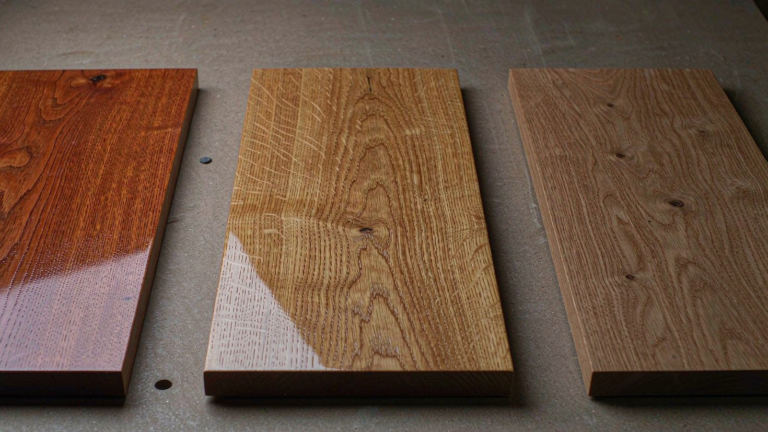
The lacquered wood entryway furniture problem: high-gloss lacquer looks stunning in a showroom but shows every scratch, fingerprint, and water ring within months. For an entryway bench where people sit with wet clothing, a natural oil finish on quartersawn oak is far more practical — scratches blend into the grain rather than standing out as bright white lines.
Designing for Different Villa Styles
Table 4: Entryway Furniture Design by Villa Architecture Style
| Villa Style | Key Design Principles | Wood/Material Choice | Hardware Finish | Typical Console Style | Bench Style |
| Mediterranean/Tuscan | Heavy, grounded, warm | Walnut, travertine | Aged bronze | Stone-top, carved legs | Upholstered seat with nailhead |
| Modern Minimalist | Floating, light, clean | White oak, lacquer | Brushed nickel | Cantilevered, no visible support | Cantilevered plank, no legs |
| Contemporary Transitional | Mixed materials, texture | Oak + stone + metal | Matte black | Wood top, metal frame | Wood seat, metal legs |
| Middle Eastern Luxury | Ornate, layered, opulent | Burl walnut, mother-of-pearl inlay | Gold/brass | Marble top, carved base | Tufted leather, brass details |
| Tropical/Coastal | Light, airy, weather-conscious | Teak, rattan, white oak | Brushed stainless | Reclaimed wood, simple lines | Rattan/teak, open slat |
| Japanese-Inspired | Low, horizontal, natural | Hinoki cedar, white oak | Blackened steel | Low platform, organic edge | Low platform, cushion |
The biggest design mistake in villa entryways: matching every piece too closely. A console, bench, and mirror all in the same wood species and finish looks like a furniture set from a catalog — it kills the custom feel. Mix materials: a walnut console with a travertine top, an oak bench with brass legs, and a blackened steel-framed mirror creates depth and intentionality.
Lighting: The Entryway’s Invisible Furniture
No entryway design is complete without lighting specification. The right lighting makes modest furniture look expensive; the wrong lighting makes expensive furniture look flat.
Table 5: Entryway Lighting Design Specifications
| Lighting Layer | Purpose | Fixture Type | Color Temperature | Brightness | Placement |
| Ambient (general) | Base visibility | Recessed ceiling or pendant | 2700K-3000K warm | 200-300 lumens | Centered, 2.1m+ height |
| Task (mirror/exit check) | Face lighting for exit | Sconces flanking mirror | 2700K | 400-600 lumens per sconce | 165-180cm center, 60cm apart |
| Accent (console highlight) | Texture and object display | LED strip or picture light | 2700K-3000K | 100-200 lumens | Under console top or above |
| Architectural (floor wash) | Depth, drama | Floor recessed LED | 3000K | 100-150 lumens | Floor level, 30cm from wall |
| Natural supplement | Daytime warmth | Sheer curtain or UV film | N/A | Variable | South/west-facing entries |
The color temperature rule for entryways: never go above 3000K. Cool light (4000K+) in an entryway feels clinical, like entering a hospital, not a home. Warm light at 2700K creates the subconscious signal of welcome and comfort — the exact emotional response you want from a first impression.
Budget Allocation: Where to Spend and Where to Save
Table 6: Entryway Furniture Budget Allocation by Priority (For a $10,000-$15,000 Entryway)
| Item | Recommended Budget Share | Don’t Skimp On | Safe to Save On | Custom vs Ready-Made |
| Bench with storage | 25-30% ($2,500-$4,500) | Joinery, hinges, wood moisture | Upholstery fabric (replaceable) | Custom (fit + storage design) |
| Console table | 20-25% ($2,000-$3,500) | Top material, base stability | Decorative inlay | Custom or upgraded ready-made |
| Mirror | 10-15% ($1,000-$2,000) | Glass quality, frame structure | Frame ornamentation | Custom sized to space |
| Storage system/closet | 20-25% ($2,000-$4,000) | Hardware, interior finish | Exterior panel (paint vs veneer) | Custom (space-specific) |
| Lighting | 10-15% ($1,000-$2,000) | Color temperature accuracy, dimming | Fixture brand name | Ready-made + custom placement |
| Rug/mat | 5-10% ($500-$1,200) | Size (too small looks cheap) | Brand label | Ready-made |
The $500 mistake we see most often: an undersized rug. An entryway rug should be at minimum 180cm x 90cm — large enough that both feet land on it when entering. A 120cm x 60cm rug floating in the middle of a 4m-wide entryway looks like an afterthought. Spend $300 more on the larger size; it transforms the space more than any other single change.
FAQ
Q: What is the minimum width for a villa entryway console table? A: 100cm for a single-door entryway, 140cm+ for a double-door or wide entry. The console should span at least 60% of the wall width it occupies. Below 100cm, the piece looks undersized and the surface becomes too small for practical use (keys, mail, a lamp, and decor). For narrow entryways under 120cm wide, consider a floating console at 80cm width to preserve walkway clearance.
Q: Should the entryway bench have storage underneath? A: Yes, almost always. An entryway bench without storage wastes the single most valuable storage zone in the home. The best designs combine a lift-up seat (for shoes and seasonal items) with open cubbies or drawers below for daily-use items. Specify soft-close hinges on lift-up seats — the gas strut mechanism prevents slamming and extends hinge lifespan from 5 years to 15+.
Q: What wood finish works best for high-traffic entryway furniture? A: Hard-wax oil (like Osmo Polyx-Oil) for solid wood, or a conversion varnish for painted pieces. Hard-wax oil penetrates the wood fiber, making scratches repairable by local reapplication rather than full refinishing. High-gloss lacquer, while beautiful, shows every fingerprint and water spot — avoid it for bench seats and console surfaces. For coastal or humid climates, add a marine-grade topcoat sealer.
Q: How do I design a villa entryway for a warm climate where coats aren’t needed? A: Replace the coat closet with a bag/shoe storage system and add a seating bench with a lower profile (35-40cm seat height versus 45cm for cold-climate benches). In Middle Eastern and Southeast Asian villas, we typically allocate the coat-closet budget to a larger mirror with integrated lighting and a more elaborate console display — because in warm climates, the entryway functions as a visual statement more than a weather-transition zone.
Q: Can I use outdoor furniture materials in a villa entryway? A: Yes, and it’s smart for high-moisture climates. Teak, powder-coated aluminum, and marine-grade stainless steel handle entryway humidity and door-splash far better than standard interior materials. Teak entryway benches are common in tropical villas — the wood’s natural oil content resists moisture without additional treatment. The trade-off: teak’s color range is narrower than oak or walnut, limiting design flexibility for some interior styles.
Q: What’s the ideal height for an entryway mirror? A: Center the mirror at 165-175cm from the floor. This height allows most adults (155-190cm) to see their full face and upper body without bending or stretching. For a mirror above a console, leave 10-15cm between the console top and the mirror bottom. The mirror width should be 50-70% of the console width — a mirror wider than the console looks unbalanced.