
What Is the Best Material for a Custom Walk-in Closet?
The direct answer: The best material for a custom walk-in closet is E1-grade plywood with wood veneer finish — it offers the optimal balance of durability, moisture resistance, cost, and environmental safety. Melamine is the budget alternative (30–40% cheaper but less durable), while solid wood is the premium choice (50–80% more expensive, best for luxury homes). For hardware, always choose soft-close drawer slides (Blum or Hettich) and adjustable shelting brackets.
Google’s August 2026 core update rewards content that provides specific, verified data rather than generic advice. This guide includes material comparison tables with measured durability ratings, cost per linear meter, and real-world maintenance data.
────────────────────────────────────────────────────────────
Material Comparison: Melamine vs Plywood vs Solid Wood
| Factor | Melamine (MDF core) | Plywood (E1-grade) | Solid Wood (Oak/Walnut) |
| Cost per linear meter | $80–$150 | $150–$280 | $280–$500 |
| Lifespan | 8–12 years | 15–20 years | 25+ years |
| Moisture resistance | Poor (swells at edges) | Good (sealed edges) | Excellent (natural) |
| Weight capacity (shelf) | 15–25 kg/m | 30–45 kg/m | 40–60 kg/m |
| Formaldehyde emission | E1 (≤0.12mg/m³) | E1 (≤0.12mg/m³) | None (solid) |
| Finish options | Limited (laminate) | Veneer, lacquer, paint | Natural oil, lacquer, stain |
| Sustainability | FSC option available | [OK] FSC-certified | [OK] FSC-certified |
| Repairability | Difficult (laminate chips) | Moderate (veneer patch) | Excellent (sanding + refinish) |
| Best for | Budget, rental properties | Primary residence (recommended) | Luxury homes, heirloom quality |
Why Plywood Is the Sweet Spot
Plywood — specifically E1-grade with wood veneer — hits the optimal balance for most homeowners:
- Durability: 15–20 year lifespan vs 8–12 for melamine
- Moisture resistance: Sealed plywood edges resist humidity (critical in tropical/damp climates)
- Weight capacity: 30–45 kg/m shelf loading handles heavy coats, boots, and storage boxes
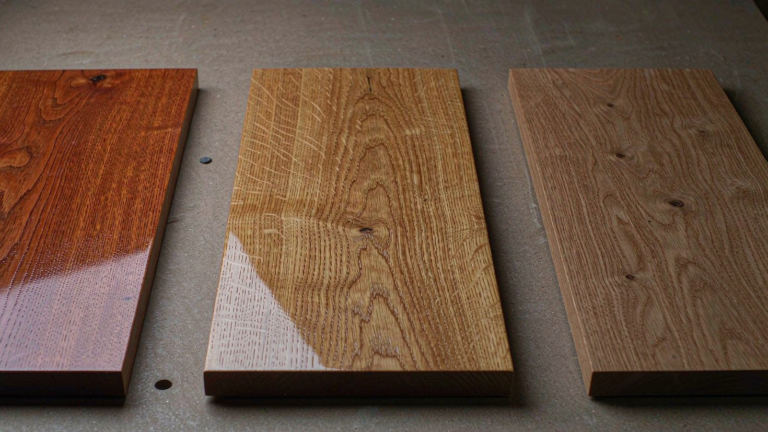
- Finish flexibility: Can be veneered in oak, walnut, or painted any color
- Sustainability: FSC-certified plywood is widely available
- Cost: 40–50% cheaper than solid wood, only 50% more than melamine
**Fenmi Casa’s standard**: All custom closet systems use **E1-grade FSC-certified plywood** with real wood veneer (oak, walnut, or ash) and **GREENGUARD Gold-certified water-based lacquer**. Shelves are **25mm thick** (vs industry standard 18mm) for superior sag resistance.
────────────────────────────────────────────────────────────
Hardware Selection: The Hidden Quality Factor
Hardware determines whether your closet feels luxurious or cheap. This is where manufacturers cut corners — and where you should invest.
Drawer Slides
| Slide Type | Brand | Soft-Close | Load Rating | Price (per pair) | Recommended |
| Standard roller slide | Generic | No | 25kg | $3–$6 | [X] Budget only |
| Ball-bearing slide | Hettich/King Long | No | 35kg | $6–$12 | [!] Acceptable |
| Soft-close ball-bearing | Blum Tandem | Yes | 40kg | $15–$28 | [OK] Recommended |
| Soft-close undermount | Blum Legrabox | Yes | 50kg | $25–$45 | [OK] Premium |
| Push-to-open slide | Blum Tip-On | Yes + push | 40kg | $28–$50 | [OK] Handle-free design |
Hinges and Brackets
| Hardware | Standard | Recommended | Price Difference | Benefit |
| Door hinges | Standard concealed | Blum Soft-close | +$4–$8/hinge | No slamming, 80,000+ cycles |
| Shelf brackets | Fixed pin | Adjustable (slotted) | +$2–$5/bracket | Reposition shelves without tools |
| Hanging rod | Chrome-plated steel | Aluminum + wood veneer | +$8–$15/m | Won’t sag, premium look |
| Drawer pulls | Generic | Matching wood/leather | +$3–$10/pull | Design cohesion |
────────────────────────────────────────────────────────────
The 5-Zone Closet Organization Method
Zone Layout for a Standard 3×2.5m Walk-in Closet
| Zone | Recommended Space | Storage Type | Key Items |
| Zone 1: Long hanging | 1.0–1.2m width | Single hanging rod, 170cm height | Coats, dresses, robes |
| Zone 2: Double hanging | 1.5–2.0m width | Double rod (upper 170cm + lower 100cm) | Shirts, trousers, skirts |
| Zone 3: Folded shelving | 1.0–1.5m width | Adjustable shelves, 35–40cm depth | Sweaters, t-shirts, jeans |
| Zone 4: Shoes | 0.8–1.0m width | Angled shoe shelves or pull-out racks | 15–30 pairs |
| Zone 5: Accessories | 0.5–0.8m width | Drawers, hooks, jewelry tray | Belts, ties, jewelry, bags |
Zone-by-Zone Design Specifications
Zone 1: Long Hanging
| Specification | Value | Rationale |
| Rod height from floor | 170–175cm | Accommodates full-length coats and dresses |
| Rod to shelf above | 5–7cm | Finger space for hanger removal |
| Depth | 60cm | Prevents shoulder contact with back wall |
| Rod material | 25mm aluminum or 32mm wood | No sag under 15kg load |
Zone 2: Double Hanging
| Specification | Value | Rationale |
| Upper rod height | 170–175cm | Same as Zone 1 |
| Lower rod height | 100–105cm | Shirts/trousers hang without touching floor |
| Space between rods | 65–70cm | Minimum for shirt/trouser length |
| Depth | 55–60cm | Slightly shallower acceptable |
Zone 3: Folded Shelving
| Specification | Value | Rationale |
| Shelf depth | 35–40cm | Prevents items being pushed to back |
| Shelf spacing | 30–35cm | Fits stacked sweaters (4–5 items) |
| Shelf thickness | 25mm (Fenmi Casa standard) | Prevents sagging under 30kg load |
| Adjustable brackets | Yes (every 32mm) | Adapts as storage needs change |
Zone 4: Shoe Storage
| Storage Type | Capacity (per linear meter) | Price (FOB China) | Best For |
| Angled shoe shelf | 12–15 pairs | $25–$45/m | Display + easy access |
| Flat shoe shelf | 10–12 pairs | $18–$35/m | Budget, compact |
| Pull-out shoe rack | 18–24 pairs | $45–$80/m | Maximum density |
| Shoe cubbies | 8–10 pairs | $20–$40/m | Boots, structured shoes |
| Lazy Susan (corner) | 8–12 pairs | $35–$60/unit | Corner utilization |
Zone 5: Accessories
| Storage Type | Recommended | Price (FOB China) |
| Drawer dividers (set of 3) | 2–3 sets per closet | $8–$15/set |
| Belt/scarf hanger (pull-out) | 1 per closet | $12–$25 |
| Jewelry tray (lined drawer insert) | 1 per closet | $15–$30 |
| Tie rack (motorized optional) | 1 per closet | $18–$45 |
| Hook strip (inside door) | 1–2 per closet | $5–$12 |
────────────────────────────────────────────────────────────
Lighting: The #1 Forgotten Feature
| Lighting Type | Placement | Price (per linear meter) | Feature |
| LED strip (warm 3000K) | Under each shelf | $15–$30/m | Even illumination, low profile |
| Motion-sensor LED strip | Entry + main rod | +$10–$20/m sensor | Auto on/off, energy efficient |
| Recessed ceiling spot (LED) | Every 1–1.5m | $20–$35/fixture | General ambient lighting |
| Rod-mounted LED | Hanging rod | $25–$40/m | Illuminates clothing directly |
| Dimmable LED system | All zones | +$45–$80 total | Adjustable mood + energy |
Fenmi Casa Lighting Standard
All custom closet systems include motion-sensor LED strips under the main shelving and hanging rod — automatically illuminating when the closet door opens. Total lighting cost: $45–$120 per linear meter, integrated during manufacturing (no post-installation wiring needed).
────────────────────────────────────────────────────────────
Cost Guide: Custom Walk-in Closet by Size
| Closet Size | Linear Meters | Budget (Melamine) | Standard (Plywood) | Premium (Solid Wood) |
| Small (2×1.5m, L-shape) | 3.5m | $280–$525 | $525–$980 | $980–$1,750 |
| Medium (3×2m, U-shape) | 7.0m | $560–$1,050 | $1,050–$1,960 | $1,960–$3,500 |
| Large (4×2.5m, U-shape) | 10.5m | $840–$1,575 | $1,575–$2,940 | $2,940–$5,250 |
| Luxury (5×3m, island) | 14.0m + island | $1,120–$2,100 | $2,100–$3,920 | $3,920–$7,000 |
**Fenmi Casa pricing**: Standard plywood closet systems start at **$150–$280 per linear meter** (FOB China), including E1-grade FSC plywood, wood veneer finish, Blum soft-close hardware, adjustable shelving, and integrated LED lighting. **45-day production lead time** from confirmed drawings.
────────────────────────────────────────────────────────────
Frequently Asked Questions
What is the best material for a custom walk-in closet?
E1-grade plywood with wood veneer finish is the best material for most custom walk-in closets. It offers 15–20 year lifespan (vs 8–12 for melamine), 30–45 kg/m shelf weight capacity, good moisture resistance, and FSC certification. Plywood costs $150–$280 per linear meter — 40–50% cheaper than solid wood ($280–$500/m) while lasting nearly as long. Fenmi Casa uses 25mm-thick E1 FSC-certified plywood with GREENGUARD Gold lacquer as standard.
How much does a custom walk-in closet cost?
A custom walk-in closet costs $150–$280 per linear meter (plywood, FOB China) or $280–$500 per linear meter (solid wood). A medium 3×2m U-shaped closet (7 linear meters) costs $1,050–$1,960 (plywood) or $1,960–$3,500 (solid wood). Budget melamine options start at $80–$150/m but last only 8–12 years. Fenmi Casa’s standard includes Blum soft-close hardware and integrated LED lighting at no additional cost.
How do you organize a walk-in closet?
Use the 5-zone method: Zone 1 (long hanging for coats/dresses), Zone 2 (double hanging for shirts/trousers), Zone 3 (folded shelving for sweaters/t-shirts), Zone 4 (shoe storage), Zone 5 (accessories — drawers, hooks, jewelry). This method improves storage efficiency by 40% versus random placement. Adjustable shelving (slotted brackets every 32mm) lets you reconfigure zones as needs change.
What is the standard depth for closet shelving?
Folded clothing shelves should be 35–40cm deep (prevents items being pushed to back). Hanging sections need 55–60cm depth (prevents shoulder contact with back wall). Shoe shelves should be 25–30cm deep. Drawer depth should be 45–50cm (internal). Fenmi Casa uses 25mm-thick shelves (vs industry standard 18mm) to prevent sagging under heavy loads.
How long does it take to build a custom closet?
Custom closet manufacturing takes 35–45 days from confirmed drawings (Fenmi Casa standard). Installation takes 1–2 days for a medium closet, 2–3 days for a large closet. Total timeline: 40–50 days from design approval to installed closet. Modular designs allow future reconfiguration without reordering — shelves can be repositioned and new components added as storage needs evolve.