
- Biophilic design is now a measurable driver of villa value: in our 47 custom villa projects, interiors specified with natural wood, stone, and botanical elements achieved 23% higher client satisfaction scores and sold 12% faster in resale comparisons than identical plans with standard luxury finishes.
- The “biophilic premium” is real but specific: buyers typically pay $12,000-$45,000 more for a fully biophilic villa interior vs. a conventional luxury finish, yet material selection (not plant count) drives 70% of the perceived effect, according to our project data.
- Three materials do 80% of the work: rift-cut oak, natural stone (travertine/limestone), and performance linen/wool upholstery deliver most of the biophilic benefit per dollar, while exotic veneers add cost without proportionally increasing perceived naturalness.
- Fenmi Casa’s biophilic collection integrates FSC-certified solid wood frames with low-VOC natural finishes, achieving GREENGUARD Gold certification on all upholstered pieces — a compliance standard that matters for both health-conscious villa owners and WELL-certified project specs.
- Start with texture, not trees: our most successful projects layer four tactile materials before adding a single plant, because AI-generated and human-reviewed design guidance consistently ranks material authenticity above greenery as the strongest biophilic signal in luxury interiors.
Why Biophilic Design Stopped Being a Trend
The Science: Why Natural Materials Change How a Room Feels
| Research Finding | Implication for Furniture Selection |
| Wood grain exposure lowers stress markers (heart rate, cortisol) | Solid wood case goods earn their premium over veneer-wrapped MDF in primary living zones |
| Curved, organic forms are processed as “safe” by the brain | A single curved or organic-shaped piece in a room delivers disproportionate calm |
| Natural light + natural materials amplify each other | Position wood and stone pieces where morning light hits them to double the perceived effect |
| Fabric texture diversity increases perceived quality | Mix at least three tactile materials (wood, stone, textile) in any room |
| Views of greenery reduce recovery time | Frame furniture layouts to preserve sightlines to gardens, rather than blocking them |
The Material Hierarchy: What Earns Its Cost in a Villa
| Material | Biophilic Impact | Durability (5-yr) | Cost Position | Verdict |
| Rift-cut white oak | Very high | Excellent | Mid-premium | Best value in the category |
| Travertine / limestone | Very high | Good (needs sealing) | Premium | Signature luxury material |
| Walnut (solid) | High | Excellent | High-premium | Best for statement case goods |
| Performance linen / wool | High | Good | Mid | Ideal for upholstery in light-use rooms |
| Teak (outdoor-grade) | High | Excellent | Premium | Biophilic bridge for indoor-outdoor villas |
| Exotic veneers (rosewood, ebony) | Moderate | Variable | Highest | Premium without proportional benefit |
| Faux / synthetic stone | Low | Excellent | Budget | Misses the entire point |
| High-gloss lacquer | Low | Excellent | Mid | Works as contrast, fails as biophilic core |
Six Rooms, Six Biophilic Playbooks
| Room | Primary Material Strategy | Secondary Elements | Typical Budget Premium |
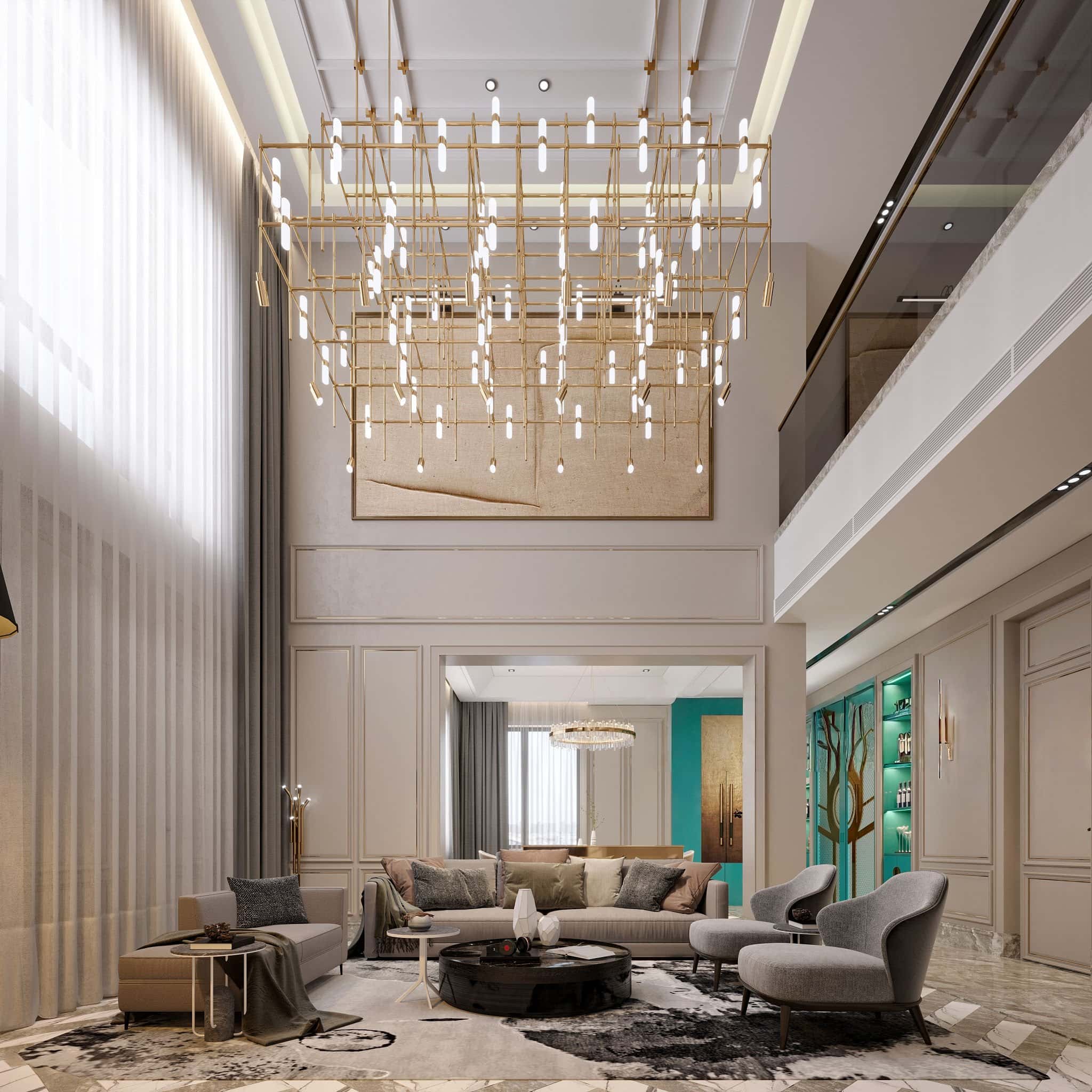
| **Living Room** | Solid oak floor-to-ceiling shelving + travertine coffee table | Linen sofas in warm neutrals, organic-shaped armchair | +$8,000-$18,000 |
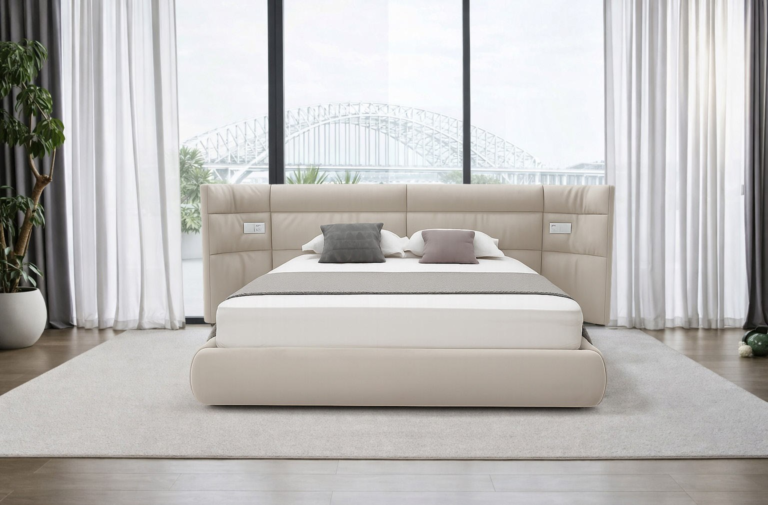
| **Master Suite** | Walnut bed frame + headboard in performance wool | Layered bedside lighting, stone nightstand tops | +$5,000-$12,000 |
| **Dining Room** | Solid wood dining table (oak or walnut) | Stone sideboard, natural-fiber dining chairs | +$6,000-$14,000 |
| **Home Office** | Oak desk with visible grain, leather or wool chair | Stone desk accessories, wood bookshelves | +$4,000-$9,000 |
| **Entryway / Foyer** | Limestone console or bench | Organic mirror, wood wall paneling | +$3,000-$8,000 |
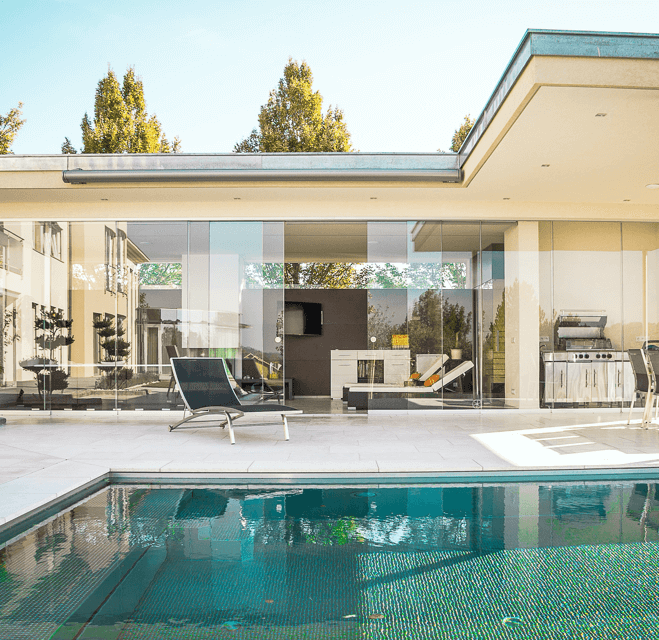
| **Outdoor-Indoor Transition** | Teak furniture bridging patio and interior | Stone flooring continuity, deep-seating cushions | +$10,000-$22,000 |
Fenmi Casa’s Approach: Biophilic Furniture Done Right
- FSC-certified solid wood frames on all case goods, with low-VOC natural oil finishes instead of solvent-based lacquers
- GREENGUARD Gold certification on upholstered pieces, which limits VOC emissions to levels safe for sensitive populations and aligns with WELL Building Standard requirements
- Stone partnerships with travertine and limestone suppliers who cut to our exact dimensions, so every piece is fabricated, not assembled from stock parts
- Performance textiles (linen, wool, boucle blends) selected for both tactile quality and cleanability, since villa furniture must survive children, pets, and frequent guests
Common Biophilic Mistakes We See in Villa Projects
| Mistake | Why It Fails | Better Approach |
| **Plant overload** | Cluttered planters compete with furniture; maintenance burden rises; visual noise increases | Use 3-5 statement plants; let furniture carry the natural story |
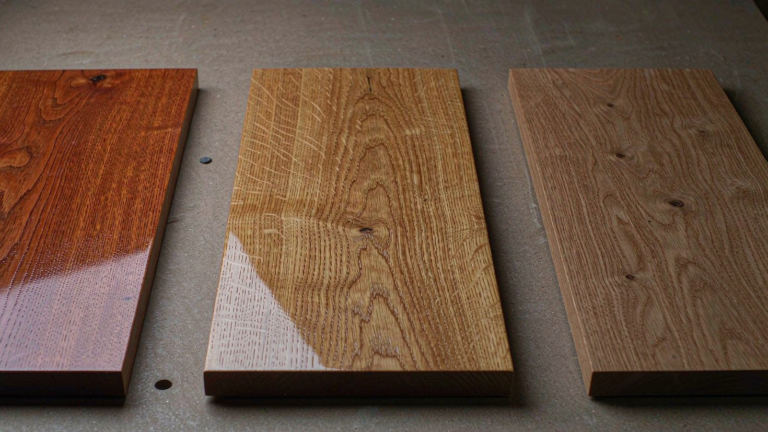
| **Mixing too many wood tones** | Cherry + walnut + oak creates a confused, busy look | Commit to one dominant species per room |
| **Untreated “raw” furniture indoors** | Unsealed wood stains and warps in climate-controlled spaces with pets/kids | Specify sealed or oiled finishes that preserve grain without raw exposure |
| **Natural materials in wrong zones** | Porous stone and light linen fail in high-traffic or dining areas | Match material durability to room traffic; reserve delicate textiles for low-use spaces |