
What Makes a Dining Table “Italian Style”?
**The short answer**: Italian-style dining tables are defined by four design characteristics — sculptural bases (fluted, tapered, or geometric), natural-material tops (marble, travertine, wood, or engineered stone), proportion and balance over ornament, and visible craftsmanship in the joinery and finish. A table is “Italian style” when it follows these design principles, regardless of where it is manufactured. The style ranges from classic Milanese (symmetrical, marble-topped, carved detail) to modern Italian (clean lines, dramatic single-material silhouettes) to contemporary luxury (mixed materials, sculptural bases).
The Four Pillars of Italian-Style Design
| Design Pillar | What It Looks Like | Why It Matters |
| Sculptural base | Fluted columns, tapered legs, geometric pedestals, brass or black accents | The base is a piece of sculpture, not just support — it is what makes the table instantly recognizable as “Italian” |
| Natural-material top | Marble, travertine, sintered stone, oak, walnut, or lacquer | The top is the hero surface; material selection drives 40–60% of the table’s cost and character |
| Proportion & balance | Table height 750mm, seating clearance 250mm+, base-to-top visual weight harmony | Italian design obsesses over proportion — a table that is 5% off proportion looks “off” |
| Visible craft | Book-matched veneers, seamless edge treatments, precise joinery, hand-finished edges | Craft is the differentiator between a $300 knock-off and a table that reads as luxury |
Italian Style vs. Scandinavian vs. Industrial: What Changes
| Style | Silhouette | Materials | Mood |
| Italian style | Sculptural, dramatic, statement | Marble, travertine, walnut, brass, lacquer | Luxurious, confident, formal |
| Scandinavian | Light, functional, minimalist | Oak, beech, white, wool | Calm, democratic, cozy |
| Industrial | Utilitarian, raw, heavy | Steel, reclaimed wood, concrete | Edgy, urban, casual |
| Japanese wabi-sabi | Low, organic, imperfect | Ash, tatami, natural finishes | Serene, minimalist, tactile |
Material Deep-Dive: Which Top for Which Buyer
| Top Material | Price Range (8-seat, 180–200cm) | Durability | Maintenance | Best For |
| Marble (Carrara, Calacatta) | $1,800–$6,000 | Stains and etches from acid; needs sealing | High — seal every 6–12 months | Formal dining, low daily use |
| Travertine | $1,400–$4,000 | Porous; soft and warm | High — requires sealing and care | Mediterranean-style interiors |
| Sintered stone | $1,200–$3,500 | Scratch, stain, heat, and UV resistant | Very low — wipe clean, no sealing | Family homes, daily use, outdoor-indoor |
| Quartz | $1,000–$2,800 | Scratch and stain resistant, not heat-proof | Low | Busy households |
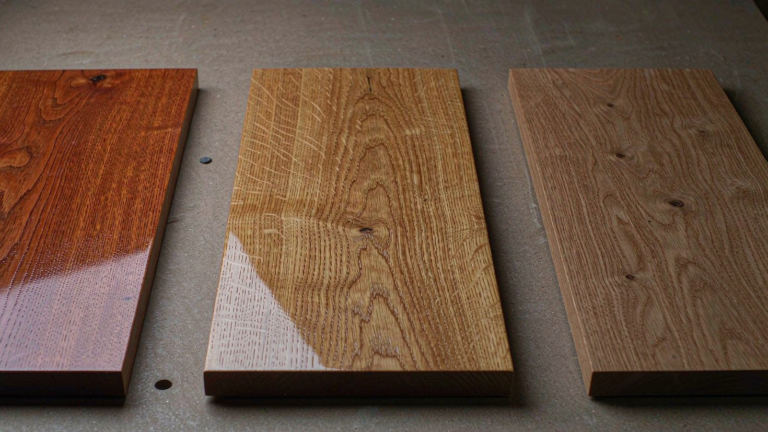
| Solid oak / walnut | $800–$3,000 | Dents and scratches — patina over time | Low-medium — oil every 6–12 months | Warm, natural interiors |
| Lacquer (high gloss) | $900–$2,500 | Scratches show; heat damages | Medium — careful handling | Modern, formal spaces |
Why Sintered Stone Is Winning the “Italian Look” for Less
Sintered stone (also called porcelain slab or compact surface) is a manufactured slab made by pressing natural minerals under 25,000–30,000 tons of pressure and firing at over 1,200°C. It reproduces the veining of Calacatta or Carrara marble with three advantages:
- **Resistance**: Sintered stone is scratch-resistant (Mohs 6–7 vs. marble’s 3–4), stain-resistant (no sealing), heat-resistant (up to 1,200°C in manufacture; withstands hot pans), and UV-stable for indoor-outdoor use.
- **Maintenance**: Wipe with water and mild soap. No sealing, no polishing, no etching anxiety — a sintered stone dining table survives a family with kids; marble does not.
- **Price**: A sintered stone 8-seat table typically costs 30–40% less than the equivalent marble table with the same visual effect.
The trade-off: sintered stone lacks marble’s unique natural veining (each marble slab is one-of-a-kind) and its cool, authentic tactility. For buyers who want the marble look with zero maintenance, sintered stone is the rational choice; for collectors who value natural stone’s uniqueness, marble remains irreplaceable.
The “Made in Italy” Price Anatomy
| Price Component | Share of a $5,000 Italian-Imported Table | Share of an Equivalent Sintered-Stone Table |
| Materials | 25–35% | 35–45% |
| Labor & craft | 15–20% | 10–15% |
| Brand premium | 15–25% | 0–5% |
| Ocean freight & import duty | 10–20% | 8–12% |
| Dealer / showroom margin | 20–30% | 15–25% |
| After-sales & warranty | 3–5% | 3–5% |
The insight: **materials and craft account for only 40–55% of a genuine Italian table’s price**. The rest is brand, shipping, and distribution. A manufacturer with Italian-trained designers producing to the same design principles — but without the Milan showroom overhead — delivers the same visual and structural result for 30–50% less.
How to Verify Italian-Style Quality Before Buying
| Checkpoint | What to Look For | Red Flag |
| Top material authenticity | Specify the exact material: “Carrara marble” vs. “marble-look” | “Marble” with no type — could be porcelain print or marble veneer |
| Edge treatment | Seamless, hand-finished edges; book-matched veneer on wood | Sharp, uneven, or visibly glued edges |
| Base construction | Solid wood or metal core, reinforced joinery, balanced weight | Hollow base, wobbly legs, thin-walled metal |
| Surface flatness | Top within 1mm flatness tolerance; no rippling | Warped or wavy surface |
| Warranty & finish | Written warranty (5-year structural is standard in contract grade) | No warranty or “import only” terms |
| Certifications | FSC wood, E1/ENF formaldehyde, GREENGUARD for indoor air | No material certifications |
Fenmi Casa: Italian Design, Certified Asian Craft
Fenmi Casa, the residential brand of Hongye Furniture Group, produces Italian-style dining tables with sintered stone and solid wood tops, sculptural bases, and 5-year structural warranties. Each table is manufactured in our 300,000+ sqm facility by 1,000+ skilled workers, with sintered stone slabs precision-cut by 6-axis CNC machining centers. Since 1996, Hongye has exported to 50+ countries, and Fenmi Casa brings that contract-grade QC discipline to the residential dining room — at 30–50% below Italian import prices.
—
FAQ
**Q: What defines an Italian-style dining table?**
A: An Italian-style dining table is defined by design characteristics, not country of origin: a sculptural base (fluted, tapered, or geometric), a natural-material top (marble, travertine, sintered stone, walnut, or lacquer), balanced proportion (standard 750mm height with at least 250mm leg clearance), and visible craftsmanship in joinery and edge finishing. Styles range from classic Milanese symmetry to modern Italian minimalism. A table manufactured in China by Italian-trained designers to these principles is still “Italian style” — the style is a design language, not a passport.
**Q: How much does an Italian-style dining table cost?**
A: An Italian-style dining table typically costs $800–$8,000 depending on size, material, and construction. A solid oak 6-seat table starts around $800–$1,500; a sintered stone 8-seat table ranges $1,200–$3,500; natural marble tables range $1,800–$6,000; and designer pieces with carved or sculptural bases can exceed $8,000. The top material drives 40–60% of the price. Genuine imported Italian tables carry a 30–50% premium over equivalent-quality tables from certified Asian manufacturers.
**Q: Is sintered stone better than marble for a dining table?**
A: For most households, yes. Sintered stone matches marble’s high-end look with superior practicality: it is scratch-resistant (Mohs 6–7 vs. marble’s 3–4), stain-resistant (no sealing required), heat-resistant, and UV-stable. Marble requires sealing every 6–12 months and etches when acidic liquids (lemon, wine) are spilled. The trade-offs are that marble has unique natural veining — every slab is one-of-a-kind — and a cooler, more authentic tactility. Sintered stone typically costs 30–40% less than equivalent marble. Choose marble for formal, low-use dining; choose sintered stone for daily family use.
**Q: What is the standard dining table height and size?**
A: The standard dining table height is 750mm (29.5 inches), with 600mm of depth for a 4-seat table and 850–900mm for an 8-seat table. Allow 600mm of table edge per person (a 180cm table seats 6 comfortably, 8 with compact seating). Leg clearance should be at least 250mm from the table edge to the floor for comfortable seating, and the table should be at least 80cm from walls or other furniture for chair pull-out. For a family of four, a 140–160cm round or rectangular table is standard; for eight, 180–220cm.
**Q: How do I tell if an “Italian-style” table is good quality?**
A: Verify four things: (1) the top material is specified exactly (Carrara marble, sintered stone, solid oak) rather than vague terms like “marble”; (2) the edge treatment is seamless and hand-finished; (3) the base is solid wood or reinforced metal with precise joinery and no wobble; (4) the table comes with a written warranty (5-year structural is the contract-grade standard) and material certifications (FSC for wood, E1/ENF for formaldehyde, GREENGUARD for indoor air). A red flag is any supplier who cannot name the material, the factory, or the warranty terms in writing.
**Q: Does Fenmi Casa deliver internationally and what warranty applies?**
A: Yes. Fenmi Casa ships dining tables to 50+ countries with export-grade packaging (wooden crate + foam), and provides a 5-year structural warranty on table frames and tops with photo-based claims support. Sintered stone tops carry a 10-year material warranty. Lead time for standard designs is 30–45 days, and custom sizes or finishes are available with design consultation. For large orders, container shipping is the most economical option, with a 30–50% cost advantage over Italian imports.
**Q: What maintenance does an Italian-style dining table need?**
A: Maintenance depends on the top material. Sintered stone: wipe with water and mild soap — no sealing, no special products. Marble and travertine: seal every 6–12 months, use coasters, and wipe acid spills (wine, lemon, vinegar) immediately. Solid wood: re-oil every 6–12 months, use trivets for hot items, and accept patina from normal use. Lacquer: dust with a soft cloth and avoid abrasive cleaners. For all materials, use placemats and trivets, and clean spills promptly — prompt care extends the table’s life by years and keeps the warranty valid.
—
Hongye Furniture Group: Your FF&E Partner
Hongye Furniture Group (founded 1996, 300,000+ sqm facility, 1,000+ skilled workers) manufactures contract-grade commercial furniture for 47+ international hotel brands across 50+ countries, and its residential brand Fenmi Casa brings the same QC discipline to Italian-style dining tables and living spaces. **Request our sintered stone and solid wood collection catalog with your next inquiry** — Italian design DNA, certified materials, 30–50% cost advantage.