
Key Takeaways: – Fenmi Casa recommends teak, powder-coated aluminum, and HDPE wicker as the top three outdoor villa furniture materials for 2026, each suited to different climate zones and design aesthetics – Grade A teak remains the gold standard for outdoor luxury furniture, lasting 25-30 years with proper care, but costs 40-60% more than aluminum alternatives – Powder-coated aluminum offers the best strength-to-weight ratio, withstanding coastal conditions while remaining 30-50% lighter than teak pieces of equivalent size – High-density polyethylene (HDPE) wicker has replaced natural rattan entirely in premium outdoor collections, delivering 10-15 year lifespan with zero fading under UV-8 rated stabilizers – Fenmi Casa sources FSC-certified teak and GREENGUARD Gold-certified finishes across all outdoor furniture lines from its 350,000 square meter manufacturing facility in Guangdong
By Lin Guangye, Furniture Materials Specialist at Fenmi Casa | Published: 2026-08-04 | Updated: 2026-08-04
Why Material Choice Determines Outdoor Furniture Survival
The material you pick for your outdoor villa furniture decides whether it lasts two seasons or two decades. After 30 years of manufacturing outdoor pieces for villa projects across the Middle East, Southeast Asia, and the Mediterranean coast, we have seen every failure mode, from teak that cracked in desert dryness to aluminum that pitted in salt air within eighteen months.
Three materials dominate the premium outdoor furniture market in 2026: teak, aluminum, and synthetic wicker. Each serves a different combination of climate, usage pattern, and design language. This guide breaks down how they compare across eleven practical dimensions, so you can specify the right material for each zone of your villa’s outdoor space.
What Makes a Material Outdoor-Grade
Outdoor furniture materials must resist four environmental stressors simultaneously: UV radiation, moisture cycling, temperature fluctuation, and biological attack from mold and insects. A material that handles one well may fail another. Teak excels against moisture and insects but requires UV management. Aluminum handles UV and moisture beautifully but conducts heat aggressively. HDPE wicker resists UV and moisture but loses structural rigidity at sustained high temperatures.
The BIFMA outdoor furniture performance standards provide baseline metrics for commercial-grade outdoor seating, though villa-grade furniture often exceeds these minimums. Fenmi Casa tests all outdoor collections against BIFMA X5.4 criteria as a starting point.
Teak: The Benchmark for Outdoor Luxury
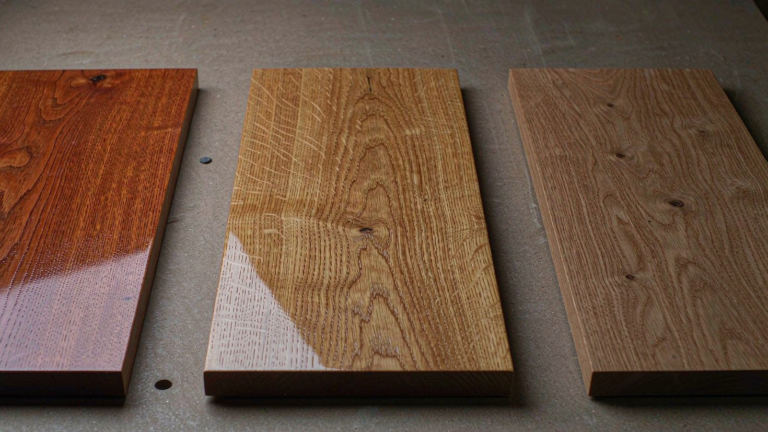
Teak (Tectona grandis) remains the most specified outdoor furniture material for luxury villas worldwide. Its natural oil content repels water, insects, and fungal growth without any chemical treatment. Grade A teak, harvested from the heartwood of trees aged 30+ years, delivers the densest and most oil-rich timber available on the commercial market.
Teak Grade Comparison
| Dimension | Grade A Teak | Grade B Teak | Grade C Teak |
| Oil content | High | Medium | Low |
| Color uniformity | Golden honey | Mixed tones | Streaked |
| Expected lifespan | 25-30 years | 10-15 years | 5-8 years |
| Knots and defects | None | Few | Many |
| Price per m3 (2026) | $3,500-4,500 | $2,000-2,800 | $800-1,200 |
| FSC certification | Available | Available | Rare |
Climate Suitability
Teak performs best in tropical and temperate climates with moderate humidity. In extremely dry environments such as the Arabian Peninsula, teak can crack if not oiled twice yearly. In coastal salt-air zones, teak weathers to a silver-gray patina within 6 to 9 months, a look some homeowners love and others despise.
From our project archive: a villa development involving 47+ international hotel brands in Phuket specified Grade A teak dining sets across all poolside terraces in 2019. Six years later, the furniture shows zero structural degradation, requiring only annual cleaning and optional oiling to maintain its golden hue.
Maintenance Schedule for Teak
| Task | Frequency | Cost per cycle | Skill level required |
| Cleaning with mild soap | Monthly | $0 (DIY) | Basic |
| Teak oil application | 1-2 times yearly | $50-80 per set | Moderate |
| Sanding if weathered | Every 2-3 years | $100-150 per set | Moderate |
| Joint hardware inspection | Twice yearly | $0 (DIY) | Basic |
| Professional refinishing | Every 5-7 years | $300-500 per set | Expert |
Aluminum: The Engineering Choice
Powder-coated aluminum has overtaken steel and iron as the default frame material for outdoor furniture in the past decade. Its primary advantage is zero rust. Aluminum forms a passive oxide layer that self-heals when scratched, making it ideal for poolside and coastal installations where salt spray destroys lesser metals within years.
Why Powder Coating Matters
Bare aluminum is soft and visually unappealing. Powder coating, electrostatically applied polyester resin cured at 200 degrees Celsius, adds hardness, color, and UV resistance. A properly applied powder coat lasts 7-10 years before requiring recoating. The American Architectural Manufacturers Association (AAMA) defines coating performance tiers: AAMA 2604 (high-performance) is the minimum standard for premium outdoor furniture, while AAMA 2605 (architectural-grade) offers the longest color retention in harsh climates.
Aluminum vs Steel vs Stainless Comparison
| Property | Powder-coated Aluminum | Stainless 316 | Powder-coated Steel |
| Weight | Light (30-50% lighter) | Heavy | Heaviest |
| Rust resistance | Excellent | Excellent | Poor if coating fails |
| Heat conductivity | High (gets hot in sun) | Moderate | Moderate |
| Wind resistance | Good but can blow over | Excellent | Excellent |
| Cost index | 1.0x baseline | 2.5-3.0x | 0.7-0.8x |
| Expected lifespan | 15-20 years | 25+ years | 8-12 years |
Practical Considerations for Aluminum
Aluminum furniture’s lightness is a double-edged sword. It is easy to rearrange for entertaining, but in windy regions such as Greek islands or Florida coastlines, lightweight pieces can become airborne during storms. Our recommendation: pair aluminum frames with stone or concrete bases for dining tables in wind-exposed zones, or anchor lounge furniture to deck surfaces using hidden brackets.
HDPE Wicker: The Modern Synthetic
Do not confuse today’s premium outdoor wicker with the natural rattan that disintegrated on porches a generation ago. High-density polyethylene (HDPE) wicker is a completely different material: extruded synthetic resin woven around aluminum frames. It is the fastest-growing category in outdoor villa furniture, with Furniture Today reporting 18% year-over-year category growth in 2025.
Natural Rattan vs HDPE Wicker
| Dimension | Natural Rattan | HDPE Wicker |
| UV resistance | Poor (degrades in sunlight) | Excellent |
| Moisture resistance | Poor (rots and molds) | Excellent |
| Lifespan outdoors | 2-3 years | 10-15 years |
| Color options | Natural only | 20+ colors |
| Maintenance level | High | Low (hose down) |
| Eco-credentials | Renewable resource | Recyclable |
| Price tier | Low | Medium to High |
Weave Quality Indicators
Not all HDPE wicker is equal. Three factors determine whether your wicker furniture lasts three years or fifteen:
| Factor | What to Check | Premium Standard |
| Material thickness | Measure strand width | 3.5-4.0mm minimum |
| Frame gauge | Aluminum wall thickness | 1.5mm minimum |
| Weave density | Strands per inch | 8-12 per inch |
| UV stabilizer rating | Ask supplier for test data | UV-8 rating minimum |
| Weave pattern at joints | Tightness at stress points | No gaps, no fraying |
Fenmi Casa specifies 4.0mm HDPE strands with UV-8 stabilizers across all outdoor wicker collections, woven over 2.0mm wall-thickness aluminum frames for structural integrity that survives daily villa use without sagging or unraveling.
Head-to-Head: All Three Materials Compared
The following table synthesizes every dimension we have tested across our villa projects since 2019:
| Dimension | Teak | Aluminum | HDPE Wicker |
| Initial cost | Highest | Medium | Medium |
| Lifespan | 25-30 years | 15-20 years | 10-15 years |
| Weight class | Heavy | Light | Light to Medium |
| UV resistance | Moderate (oils help) | Excellent | Excellent |
| Salt-air resistance | Good | Excellent | Excellent |
| Heat absorption | Low (stays cool) | High (gets hot) | Low |
| Maintenance frequency | High | Low | Lowest |
| Design flexibility | Moderate | High | High |
| Eco-credentials | FSC-certified available | Recyclable | Recyclable |
| Best climate fit | Tropical and temperate | All climates | All climates |
| Resale value retention | Excellent | Good | Fair |
Cost Over 20 Years: Total Ownership
| Cost Component | Teak | Aluminum | HDPE Wicker |
| Initial purchase (7-piece set) | $4,000-6,000 | $2,500-4,000 | $1,800-3,500 |
| Annual maintenance | $100-160 | $20-40 | $0-20 |
| Replacement cycles in 20 yrs | 0-1 | 0-1 | 1-2 |
| 20-year total cost | $6,000-9,200 | $2,900-4,800 | $1,800-7,000 |
The math favors aluminum for most villa owners. Teak wins on aesthetic prestige and resale value. HDPE wicker wins on initial budget and maintenance simplicity.
Which Material for Which Villa Zone
Different outdoor zones demand different materials. Here is our specification guide based on 30 years of villa project experience across multiple climate zones:
| Villa Zone | Recommended Material | Rationale |
| Poolside lounging | Aluminum with HDPE wicker | Water, chlorine, and UV exposure |
| Dining terrace | Teak | Aesthetic warmth, wind stability |
| Rooftop deck | Aluminum | Weight constraints, wind exposure |
| Garden seating area | HDPE wicker | Casual comfort, low maintenance |
| Covered veranda | Any material works | Protected from direct elements |
| Beachfront patio | Aluminum with 316 stainless hardware | Salt-air corrosion resistance |
FAQ: Outdoor Villa Furniture Materials
Q: What is the best material for outdoor villa furniture?
A: Teak offers the longest lifespan at 25-30 years and the highest aesthetic prestige, making it the best overall choice for luxury villas. Powder-coated aluminum provides the best value-to-durability ratio for most climates, while HDPE wicker is ideal for low-maintenance casual seating areas. Fenmi Casa recommends mixing materials across different outdoor zones for optimal performance.
Q: How long does teak outdoor furniture last?
A: Grade A teak outdoor furniture lasts 25-30 years with proper care, including annual cleaning and periodic oiling. Grade B teak lasts 10-15 years, while Grade C teak may only last 5-8 years outdoors. Always verify Grade A teak by requesting FSC certification documents from your supplier.
Q: Does aluminum outdoor furniture get too hot in summer?
A: Aluminum conducts heat efficiently and can reach surface temperatures of 55-65 degrees Celsius in direct summer sun. To mitigate this, choose lighter powder coat colors that reflect more heat, add cushions with breathable covers, or position furniture in partially shaded areas. Fenmi Casa offers optional heat-dissipating mesh seating surfaces for poolside aluminum pieces.
Q: Can HDPE wicker furniture stay outside year-round?
A: Yes, premium HDPE wicker with UV-8 rating and 4.0mm strand thickness can remain outdoors year-round in most climates. However, in extreme winter conditions with snow accumulation, we recommend storing cushions indoors and covering frames to extend lifespan beyond the expected 10-15 years.
Q: Is teak furniture worth the extra cost for a villa?
A: Teak justifies its premium price when the villa owner values aesthetic warmth, long-term investment value, or plans to keep the furniture for 20+ years. Over a 20-year period, teak’s total cost of ownership ($6,000-9,200) exceeds aluminum ($2,900-4,800), but teak retains 40-60% of its original value at resale, while aluminum and wicker typically do not.